
Mouth Ulcer Treatment in India
Mouth Ulcer Treatment in India
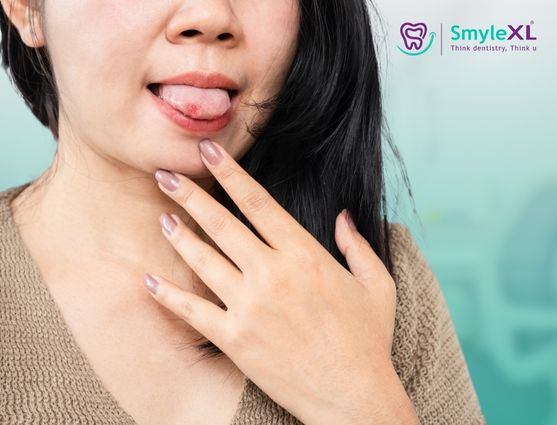
Mouth ulcers, commonly known as canker sores, are painful sores that develop on the soft tissues inside the mouth, including the tongue, inner cheeks, and gums. These small yet irritating lesions can make daily activities like eating, drinking, and talking extremely uncomfortable.
Although they are not contagious, they can be quite painful and troublesome. Many people experience mouth ulcers at some point in their lives, and while they usually heal on their own, understanding their causes, symptoms, and treatment options can help manage them effectively and prevent frequent occurrences.
If you are looking for a mouth ulcer treatment in India, look no further than SmyleXL Dental Clinic.
Mouth ulcers are open sores or lesions that appear in the oral cavity due to various causes. They are often round or oval, with a red border and a white or yellowish center. These ulcers can vary in size and might appear singly or in clusters. While most mouth ulcers heal within one to two weeks, some may persist longer, causing significant discomfort. Mouth ulcers are broadly categorized into three types:
Mouth ulcers can develop due to several reasons, and identifying the underlying cause is crucial for effective treatment and prevention. Some of the most common causes include:
Mouth ulcers are characterized by distinct symptoms, which may vary based on their severity. The most common symptoms include:
Most mouth ulcers heal on their own, but several home remedies can speed up the healing process and provide relief from discomfort and pain:
For persistent or severe ulcers, medical treatments may be required. Some common medical interventions include:
Making lifestyle changes can significantly reduce the recurrence of mouth ulcers. Some effective strategies include:
While most ulcers heal on their own, medical attention is necessary in the following cases:
The cost of treating mouth ulcers in India varies depending on:
SmyleXL Dental Clinic offers affordable treatment options tailored to individual needs, ensuring the best care possible. For more information about the mouth ulcer treatment cost in India, book an appointment with our expert at SmyleXL Dental Clinic.
Q1. Why Does a Mouth Ulcer Happen?
Mouth ulcers happen when the soft tissue inside your mouth gets irritated or damaged. They can be caused by stress, minor injuries like biting your cheek, spicy foods, or sharp teeth. Vitamin deficiencies and weak immunity can also trigger them. Sometimes, they appear without any clear reason.
Q2. Do Mouth Ulcers Mean a Low Immune System?
Yes, mouth ulcers can sometimes be a sign of a weak immune system. When your body is tired or stressed, it’s easier for ulcers to form. People with certain health conditions or poor nutrition may get ulcers more often. It’s your body’s way of signaling that it needs care.
Q3. How to Tell if a Mouth Ulcer Is Healing?
A healing mouth ulcer starts shrinking in size and feels less painful. The redness and swelling around it slowly go away. It may form a light white or yellow layer as it heals. Within a few days, you’ll notice less discomfort while eating or talking.
Q4. How Long Do Mouth Ulcers Last?
Most mouth ulcers heal on their own in 7 to 10 days. Minor ulcers go away faster, while larger or deeper ones may take up to two weeks. If an ulcer lasts longer than that, you should visit a dentist. Proper care helps speed up healing.
Q5. How Can I Heal My Ulcer Fast?
To heal faster, avoid spicy, salty, or acidic foods. Rinse your mouth with salt water or a mild mouthwash. Apply expert-prescribed gels made for ulcers. Stay hydrated, rest well, and eat soft, cool foods.
Q6. What Drink Is Good for Ulcers?
Cool drinks like water, coconut water, milk, and smoothies can soothe ulcers. Herbal teas like chamomile or green tea can also help. Avoid acidic drinks like soda, citrus juices, or coffee, as they can make ulcers worse. Keeping your mouth moist speeds up healing.
Q7. Is Ice Cream Good for Ulcers?
Yes, eating cold foods like ice cream can help numb the pain of mouth ulcers for a short time. It gives relief from burning or soreness. But don’t overeat sugary ice cream, as too much sugar isn’t good for your mouth. Stick to cool, soft foods when it hurts.
Q8. Can You Put Salt Directly on the Mouth Ulcer?
You can, but it may sting a lot. While salt can help kill bacteria and dry the ulcer, applying it directly can be painful. A better way is to rinse with warm salt water. It’s gentler and still helpful for healing.
Q9. Are Mouth Ulcers Normal?
Yes, mouth ulcers are very common and happen to most people at some point. They usually show up due to stress, injury, or minor health issues. Most ulcers are harmless and heal on their own. But frequent or very large ulcers should be checked by a dentist.
Q10. Can a Lack of Sleep Cause Mouth Ulcers?
Yes, poor sleep can weaken your immune system and lead to mouth ulcers. When your body is tired or stressed, it’s easier for ulcers to form. Getting enough rest helps your body heal faster and prevents new ulcers. Sleep is important for overall health.
Q11. Is Vitamin C Good for Mouth Ulcers?
Yes, vitamin C helps heal mouth ulcers and keeps your gums healthy. Eating fruits like oranges, strawberries, and guavas can support healing. But don’t apply citrus directly to the ulcer, as it may sting. A balanced diet with enough vitamins helps prevent ulcers.
Q12. Does Lack of Water Cause Mouth Ulcers?
Yes, dehydration can make your mouth dry and more prone to ulcers. Saliva helps protect the mouth from bacteria and irritation. Drink plenty of water throughout the day to keep your mouth healthy. A dry mouth often leads to discomfort and sores.
Q13. How Do You Treat a Mouth Ulcer at Home?
Rinse with warm salt water to clean the area. Apply an ulcer gel to numb the pain and help healing. Eat soft, cool foods and avoid spicy or crunchy items. Drink plenty of water and rest well.
Q14. Can I Apply Ice to the Mouth Ulcer?
Yes, applying ice can help numb the pain and reduce swelling. Simply suck on an ice cube or press it gently against the ulcer for relief. It won’t cure the ulcer, but it gives temporary comfort. Repeat as needed during the day.
Q15. Which Deficiency Causes Mouth Ulcers?
Mouth ulcers are often caused by a lack of vitamin B12, iron, or folic acid. Low vitamin C can also lead to poor healing of ulcers. Eating a healthy diet with fruits, vegetables, and enough nutrients helps prevent them. If ulcers happen often, a blood test might be needed.
Mouth ulcers can be uncomfortable and painful. However, they can be effectively managed with proper care and treatment. Individuals can prevent these frequent mouth ulcers by practicing good oral hygiene, avoiding known triggers, and seeking medical help when necessary.
SmyleXL Dental Clinic provides expert guidance and advanced treatment options to help individuals maintain optimal oral health. Schedule an appointment with our dental professional for mouth ulcer treatment in India at your nearest SmyleXL Dental Clinic for long-term relief and to prevent future episodes of mouth ulcers.