
Dental Fillings Treatment in Vrindavan Yojana, Lucknow
Dental Fillings Treatment in Vrindavan Yojana, Lucknow
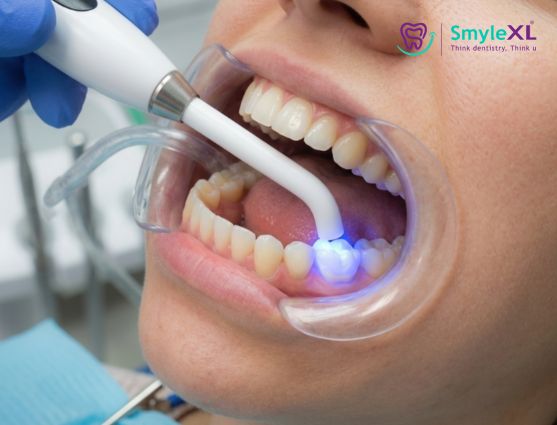
A cavity doesn’t always hurt when it begins, which is why many people don’t realize their tooth is gradually getting damaged. If you’re exploring dental fillings in Vrindavan Yojana, Lucknow, understanding how tooth decay progresses can help you recognize when treatment may be necessary.
Tooth decay often starts with minor damage to the outer surface of the tooth. Over time, it can spread into the deeper layers, causing sensitivity to hot or cold foods, discomfort while chewing, or a visible hole. What could have been treated with a simple filling may eventually require more extensive dental treatment if the decay reaches the inner part of the tooth.
Dental fillings help restore teeth affected by cavities by removing the decayed portion and replacing it with a suitable filling material. At SmyleXL Dental Clinic, the choice of filling depends on the size and location of the cavity and the condition of the remaining tooth structure.
Dental fillings repair teeth affected by cavities, minor chips, cracks, or wear. The procedure involves removing the decayed portion and filling the space with a suitable material to restore the tooth’s shape and function.
Once a cavity forms, the lost tooth structure cannot grow back naturally. A filling seals the prepared area and helps protect the remaining tooth.
Common filling materials include:
The appropriate material depends on cavity size, tooth location, and chewing pressure.
A visible hole, tooth sensitivity, dark spots, or discomfort while eating may indicate the need for a filling. However, cavities can also develop without noticeable symptoms.
These symptoms can have different causes. A dental examination helps determine whether a filling or another treatment is necessary.
Dental fillings restore damaged teeth while preserving their remaining healthy structure. Treating cavities early may also help avoid more extensive procedures.
Preserves Natural Teeth
Fillings replace the damaged portion while maintaining as much healthy tooth structure as possible.
Helps Stop Further Decay
Removing decayed material and sealing the cavity helps prevent the treated area from becoming deeper.
Restores Chewing Comfort
A properly shaped filling restores the tooth’s surface, making eating and chewing more comfortable.
Maintains Natural Appearance
Tooth-colored composite fillings can closely match surrounding teeth, making the restoration less noticeable.
May Reduce Sensitivity
Covering exposed tooth structure can help reduce sensitivity caused by certain cavities.
May Prevent More Extensive Treatment
Repairing a cavity before it reaches the tooth’s inner tissue may reduce the need for root canal treatment or other procedures.
Dental fillings are generally well-tolerated, although some temporary sensitivity or minor adjustments may be necessary after treatment.
Possible concerns include:
Most minor concerns can be managed with appropriate dental care. Persistent pain or worsening sensitivity should be examined by a dentist.
A dental filling usually involves examining the tooth, removing decay, placing the filling material, and adjusting the restoration. Most routine fillings can be completed in one appointment.
Step 1: Dental Examination
The dentist checks the tooth to assess the cavity’s size and depth. An X-ray may be recommended when necessary.
Step 2: Removing the Decay
The damaged portion is carefully removed while preserving healthy tooth structure.
Step 3: Placing the Filling
The prepared cavity is filled with GIC, silver amalgam, or composite resin, depending on the treatment plan. The material is allowed to harden or is hardened as needed.
Step 4: Shaping and Finishing
The dentist shapes the filling to match the tooth’s natural surface and smooths it to remove rough edges.
Step 5: Checking the Bite
The dentist checks how the upper and lower teeth meet and adjusts any high points if necessary.
Step 6: Aftercare Guidance
Patients receive instructions about eating, brushing, temporary sensitivity, and caring for the restored tooth.
The dental fillings cost in Vrindavan Yojana, Lucknow ranges from ₹500 to ₹5,000 per tooth, depending on the filling material, cavity size, and extent of tooth damage. Smaller cavities may require simple restorations, while larger or deeper cavities can involve additional preparation, materials, and treatment steps.
Filling Type | Approximate Cost |
Glass Ionomer Cement (GIC) | ₹800–₹1,500 per tooth |
Silver Amalgam | ₹1,000–₹2,000 per tooth |
Composite Resin (Tooth-colored) | ₹1,200–₹4,000 per tooth |
A small cavity generally requires less preparation and filling material. Larger or deeper cavities may involve more extensive cleaning and restoration, increasing the overall cost.
GIC, silver amalgam, and composite resin differ in appearance, durability, and clinical applications. The material selected influences the treatment expense.
Front teeth may require careful color matching, while back teeth experience greater chewing pressure. These differences can influence the filling material and restoration technique.
If several teeth have cavities, the total expense increases according to the number of restorations required. Each tooth is assessed individually.
Teeth with extensive damage may require additional preparation, protective materials, or a different restoration, which can affect the final estimate.
The filling charge generally covers the essential steps of the procedure:
The exact inclusions depend on the treatment plan.
Additional charges may apply for:
Disclaimer: The prices mentioned above are approximate and indicative. Actual costs may vary depending on the filling material, cavity size, tooth condition, treatment complexity, and additional procedures required. A dental examination is necessary to determine the treatment requirements and provide an accurate cost estimate.
SmyleXL Dental Clinic provides dental filling treatment with attention to tooth preservation, patient comfort, hygiene, and clear communication about treatment options.
Experienced Dentists
The dentists assess the tooth’s condition and recommend filling materials based on cavity size, location, and remaining healthy structure.
5-Step Sterilization Protocol
The clinic follows a five-step sterilization protocol to support instrument hygiene and infection control during dental procedures.
Highly Ethical and Cost-Transparent Dentistry
Treatment recommendations and expected expenses are explained to help patients understand their options and make informed decisions.
Personalized Care in a Relaxing Environment
Treatment is planned around individual dental needs, with clear explanations and attention to patient comfort throughout the procedure.
A small cavity can gradually weaken a tooth, even without noticeable pain. Timely treatment helps preserve healthy tooth structure and may reduce the need for more extensive dental procedures.
For people considering dental fillings in Vrindavan Yojana, Lucknow, understanding the procedure, materials, and costs can help make treatment decisions easier. Regular dental examinations, good oral hygiene, and addressing cavities when detected are important for maintaining healthy teeth.
1. Can I Wait 6 Months to Fill a Cavity?
Waiting six months is generally not recommended once a cavity requires a filling because decay may continue spreading without pain. Earlier treatment can help preserve more natural tooth structure.
2. Can I Eat 2 Hours After a Filling?
Yes, you can usually eat two hours after a composite filling once any numbness has worn off. Other materials may require additional precautions, so follow the dentist’s instructions.
3. Can I Brush My Teeth After a Filling?
Yes, you can generally brush your teeth after a filling using a soft-bristled toothbrush. Brush gently if the treated tooth feels sensitive.
4. Are Dental Fillings Painful?
Dental fillings usually cause little discomfort, although some patients may experience mild sensitivity during the procedure. Temporary sensitivity afterward is also possible and generally improves within a few days.
5. Are White Fillings Better Than Silver Fillings?
White composite fillings offer a natural appearance and often preserve more healthy tooth structure than traditional silver amalgam fillings. However, the appropriate material depends on cavity size, tooth location, and individual treatment needs.