
Mouth Ulcer Treatment in Vrindavan Yojana, Lucknow
Mouth Ulcer Treatment in Vrindavan Yojana, Lucknow
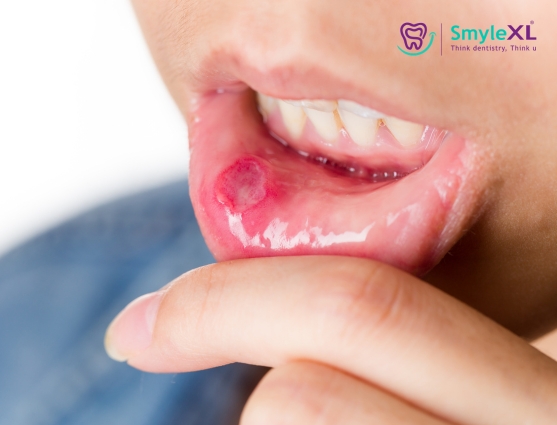
That sudden stinging sensation when you sip hot tea or eat something spicy may be coming from a tiny sore inside your mouth. Although mouth ulcers are usually small, they can make eating, drinking, brushing, and even speaking uncomfortable. If you’re looking for treatment for mouth ulcers in Vrindavan Yojana, Lucknow, understanding what causes these sores and when they need attention can help you manage the discomfort.
Mouth ulcers commonly appear on the tongue, inner cheeks, lips, or gums. Most small ulcers heal naturally within one to two weeks, but some may return frequently, grow larger, or remain painful for longer.
Treatment focuses on relieving discomfort, supporting healing, and identifying possible causes. At SmyleXL Dental Clinic, the approach depends on the ulcer’s appearance, location, duration, and any underlying oral health concerns.
Mouth ulcers are small, open sores that develop on the soft tissues inside the mouth. They often appear as round or oval patches with a white or yellowish center and a red border.
These sores form when the delicate lining inside the mouth becomes damaged or inflamed. They may occur individually or in groups, depending on the cause.
These are small, shallow sores that usually heal within one to two weeks without leaving scars. They are the most common type of recurrent mouth ulcer.
Major ulcers are larger and deeper. They may take several weeks to heal and can sometimes leave scars.
These appear as clusters of many tiny sores that may join together to form larger painful areas. Despite the name, they are not caused by the herpes virus.
Several factors may contribute to ulcer formation, including:
The exact cause of recurrent mouth ulcers is not always identifiable.
Mouth ulcers may need dental attention when they cause significant discomfort, repeatedly return, or do not heal within the expected period.
Common signs include:
An ulcer that persists for more than three weeks, grows larger, bleeds without an obvious reason, or develops alongside an unexplained lump requires prompt professional evaluation. Although most ulcers are harmless, persistent mouth sores must be examined to rule out more serious conditions.
Appropriate treatment can reduce discomfort, support healing, and help identify factors contributing to recurrent mouth sores.
1. Helps Relieve Pain
Suitable mouth rinses, protective pastes, and prescribed medications may reduce irritation and make daily activities more comfortable.
2. Makes Eating Easier
Reducing inflammation and protecting the sore can make chewing and swallowing less uncomfortable.
3. Supports Healing
Treatment may help create better conditions for healing, particularly when the ulcer is repeatedly irritated by a sharp tooth or dental appliance.
4. Identifies Possible Triggers
A dental assessment may reveal contributing factors such as tooth damage, denture irritation, or oral hygiene concerns.
5. Helps Manage Recurring Ulcers
When sores return frequently, further assessment may identify nutritional deficiencies or other medical conditions requiring attention.
6. Helps Detect Unusual Mouth Changes
Examining persistent or unusual ulcers allows the dentist to identify when additional investigations or specialist referral are necessary.
Most mouth ulcers heal without significant complications, although larger or recurring sores may require additional care.
Some considerations include:
Following the recommended treatment and avoiding foods or habits that irritate the affected area can help improve comfort during healing.
Mouth ulcer treatment begins with examining the sore and identifying possible causes. Most uncomplicated ulcers can be managed without invasive procedures.
Step 1: Dental Examination
The dentist examines the ulcer’s location, size, appearance, and surrounding tissues.
You may be asked when the sore appeared, whether it has occurred before, and which activities make it painful.
Step 2: Identifying Possible Causes
The dentist checks for sharp teeth, damaged fillings, poorly fitting dental appliances, or other sources of irritation.
Medical history and recurring symptoms may also be reviewed.
Step 3: Recommending Mouth Rinses
A suitable mouth rinse may be recommended to support oral hygiene or manage discomfort. The choice depends on the type and severity of the ulcer.
Step 4: Applying or Prescribing Medication
Protective gels, medicated pastes, or other treatments may be recommended to reduce irritation and inflammation.
Step 5: Additional Treatment When Necessary
Selected patients with particularly painful or persistent ulcers may be assessed for laser treatment to help manage symptoms.
An ulcer that does not heal or has an unusual appearance may require a biopsy, specialist referral, or other investigations. Minor surgical procedures are not routine treatment for common mouth ulcers.
Step 6: Follow-Up and Prevention
The dentist reviews healing when necessary and provides guidance about oral hygiene, dietary triggers, and avoiding repeated injury to the affected area.
The treatment cost of mouth ulcers in Vrindavan Yojana, Lucknow depends on the ulcer’s cause, severity, and treatment requirements. A dental consultation may cost between ₹150 and ₹800, while medications and additional procedures have separate estimated charges.
Many small mouth ulcers heal without advanced treatment. However, recurring, unusually painful, or persistent sores may require prescription medicines, further investigations, or specialized care.
Treatment | Approximate Cost |
Dental Consultation / Examination | ₹150–₹800 |
Medicated Mouth Rinses | ₹200–₹600 |
Topical Gels or Prescription Pastes | ₹500–₹1,500 |
Laser Treatment | ₹3,000–₹7,000 per session |
Minor Surgical Intervention | ₹8,000–₹15,000 |
These figures represent indicative charges for different services, not a combined package price. Laser procedures and minor surgical interventions are considered only in selected situations.
A small, uncomplicated ulcer may need only basic care. Larger or deeper ulcers may require additional treatment or monitoring.
A sore that repeatedly returns or remains unhealed may require further investigations to identify contributing factors.
Different mouth rinses, protective gels, and prescription pastes vary in formulation, quantity, and treatment duration.
Laser treatment may be considered in selected cases for symptom management. Persistent or suspicious lesions may require a biopsy or specialist evaluation, which affects the overall expense.
Sharp teeth, damaged dental appliances, nutritional deficiencies, or certain medical conditions may require additional care beyond treating the ulcer itself.
Depending on the service selected, the charges may include:
Prescription medicines and investigations should not be assumed to be included in the consultation charge.
Additional expenses may apply for:
Not every patient requires these services. The estimate should specify the recommended treatment, included procedures, and any additional expenses.
Disclaimer: The prices mentioned above are approximate and indicative. Actual costs may vary depending on ulcer size, underlying cause, medication requirements, treatment complexity, and additional investigations or procedures. A dental examination is necessary to determine the appropriate treatment and provide an accurate cost estimate.
SmyleXL Dental Clinic provides assessment and treatment for mouth ulcers with attention to identifying possible causes, relieving discomfort, and recognizing lesions that require further investigation.
Experienced Dentists
The dentists examine mouth sores, surrounding tissues, and possible sources of irritation before recommending suitable care or specialist evaluation.
5-Step Sterilization Protocol
The clinic follows a five-step sterilization protocol to support instrument hygiene and infection control during dental examinations and procedures.
Highly Ethical and Cost-Transparent Dentistry
Patients receive information about the possible cause, recommended medications or procedures, estimated costs, and any additional investigations that may be required.
Personalized Care in a Relaxing Environment
Treatment planning considers the patient’s symptoms, ulcer history, oral health, and comfort. Instructions are explained clearly to help patients manage discomfort during healing.
Most small mouth ulcers heal naturally within one to two weeks, but recurring or persistent sores may indicate irritation or another underlying condition. Recognizing unusual changes and seeking appropriate evaluation can help prevent unnecessary discomfort and delays in diagnosis.
For people looking for treatment for mouth ulcers in Vrindavan Yojana, Lucknow, understanding the possible causes, treatment options, and expected expenses can make dental care decisions easier.
Maintaining oral hygiene, using a soft toothbrush, avoiding foods that irritate the sore, and addressing sharp tooth edges may help support healing. Any ulcer lasting more than three weeks should be examined by a dentist or doctor.
1. How Long Do Mouth Ulcers Usually Take to Heal?
Most minor mouth ulcers heal naturally within one to two weeks. Larger ulcers may take longer, and any sore that remains for more than three weeks should be examined by a dentist or doctor.
2. Are Mouth Ulcers Contagious?
Common canker sores are not contagious and cannot spread through kissing or sharing food. However, some infections, including oral herpes, can cause sores that may be contagious.
3. Can Stress Cause Mouth Ulcers?
Stress may contribute to recurring mouth ulcers in some people, although it is not the only possible trigger. Minor injuries, nutritional deficiencies, and certain medical conditions may also play a role.
4. What Foods Should I Avoid When I Have Mouth Ulcers?
Spicy, acidic, salty, and very hot foods can irritate mouth ulcers and increase discomfort. Softer, cooler foods are often easier to eat while the affected area heals.
5. Can Mouth Ulcers Be a Sign of Oral Cancer?
Most mouth ulcers are harmless and heal naturally, but an ulcer that does not heal can occasionally be a warning sign of oral cancer. Any sore lasting more than three weeks, particularly if accompanied by an unexplained lump or unusual bleeding, requires prompt professional evaluation.