
Dental Fillings Treatment in Ashiyana, Lucknow
Dental Fillings Treatment in Ashiyana, Lucknow
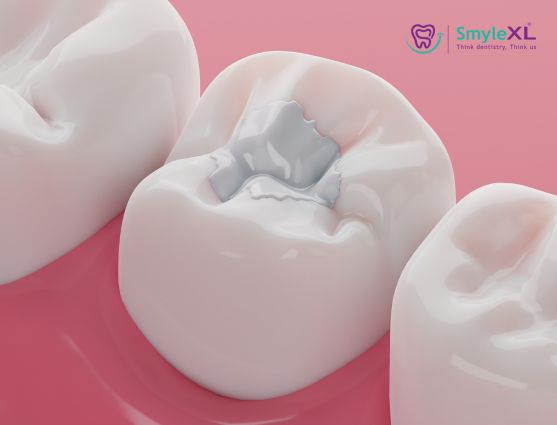
We all want healthy teeth, but sometimes, small cavities or decay can sneak up on us. When this happens, a dental filling can help fix the damage and stop it from getting worse. Dental filling treatment is one of the most common and simple ways to restore a damaged tooth. If you’ve ever felt a sharp pain while eating or noticed a dark spot on your tooth, it could be a sign that you need a filling. So, if you are looking for a trusted dental clinic for dental filling treatment in Ashiyana, Lucknow, then look no further than SmyleXL Dental Clinic.
A dental filling is a material that dentists use to repair a tooth that has been damaged by decay, wear, or a small fracture. When bacteria cause a cavity, it creates a hole in the tooth. A filling seals that hole to stop further damage and to keep your tooth strong. Think of it as a patch that helps your tooth get back to normal.
There are different kinds of dental fillings, and each has its own benefits. Your dentist will help choose what’s right for you based on the size of the cavity, the location of the tooth, and your budget.
Each type has pros and cons. Some are better for strength, while others are better for appearance. Your dentist will guide you on the best choice.
Getting a dental filling can make a big difference in your oral health. Here are some key benefits:
When you take care of your fillings with proper brushing, flossing, and regular dental visits, they can last for many years.
Anyone who has a cavity or minor tooth damage may need a filling. Signs you might need one include:
Sometimes, cavities don’t cause pain at first. That’s why regular dental checkups are important. Your dentist can catch problems early and suggest a filling before things get worse.
The process of getting a dental filling is simple and usually takes less than an hour. Here’s what you can expect:
You may feel a little numb for a short time after the treatment. Most people can go back to their normal activities the same day.
At SmyleXL Dental Clinic, we know that even a small tooth problem can cause big trouble later. Our team is trained to handle dental fillings with care, skill, and comfort. We use the latest tools and top-quality materials to make sure your filling lasts a long time.
From the moment you walk in, we focus on making you feel at ease. Our friendly team takes the time to explain your treatment so you know what to expect. Whether you need a simple filling or a more complex repair, SmyleXL Dental Clinic is here to give you a smile that feels as good as it looks.
The cost of a dental filling treatment in Ashiyana, Lucknow depends on a few things. The type of filling material used, the size of the cavity, and which tooth needs treatment all affect the price.
In general, fillings can cost between ₹800 to ₹3,000 per tooth. Composite (tooth-colored) fillings may cost a bit more than silver ones because they look better. For more information about the dental filling treatment cost in Ashiyana, Lucknow, book an appointment with our expert at SmyleXL Dental Clinic.
Don’t let a small cavity turn into a big problem. If you feel pain or sensitivity in your tooth, it’s time to get it checked. Book your dental filling treatment in Ashiyana, Lucknow today at SmyleXL Dental Clinic and take the first step toward a healthy smile.
Getting a dental filling is usually not painful because your dentist will numb the area before starting. You may feel a tiny pinch when the numbness starts, but after that, the treatment is easy. Some people feel a little pressure or vibration when the dentist is cleaning the tooth. Once the filling is done, your mouth might stay numb for a couple of hours. You may feel mild discomfort after the numbness wears off, but it goes away quickly. If your filling ever feels too high or uncomfortable, you can return to the dentist for a small adjustment.
Dental fillings can last many years if you take good care of your teeth. Composite fillings usually last around 5 to 7 years, while silver or gold ones may last even longer. The life of a filling also depends on where it’s placed and how much pressure is put on it while chewing. Brushing twice a day, flossing, and seeing your dentist regularly help fillings last longer. If a filling becomes loose or falls out, it should be replaced right away. Regular checkups help your dentist catch any problems before they get serious.
Yes, but it depends on the type of filling you get. If your dentist uses a composite filling, you can eat right after the numbness goes away because the material hardens quickly. If you get a silver filling, your dentist may suggest waiting for a few hours before eating. Try to avoid very hard or sticky foods right after treatment. Also, wait until the numbness fades so you don’t accidentally bite your cheek or tongue. If your tooth feels sore while chewing, give it a little time and let your dentist know if it continues.
If you ignore a cavity or delay getting a filling, the decay can spread deeper into your tooth. This can cause more pain, lead to infection, or even damage the nerve. You might then need a root canal or even lose the tooth. The longer you wait, the more difficult and costly the treatment can become. Getting a filling early helps save your tooth and keeps your smile healthy. Early treatment is always easier and better for your mouth.
Yes, dental fillings are very safe when done by a trained dentist. Modern filling materials are carefully tested and used worldwide. Some people worry about mercury in silver fillings, but studies have shown they are safe for most patients. If you’re still unsure, you can talk to your dentist about other filling types like composite or ceramic. Your dentist will always choose the safest and best option for your needs. Regular checkups also make sure that your fillings stay in good shape over time.