
Gum Treatment in Vrindavan Yojana, Lucknow
Gum Treatment in Vrindavan Yojana, Lucknow
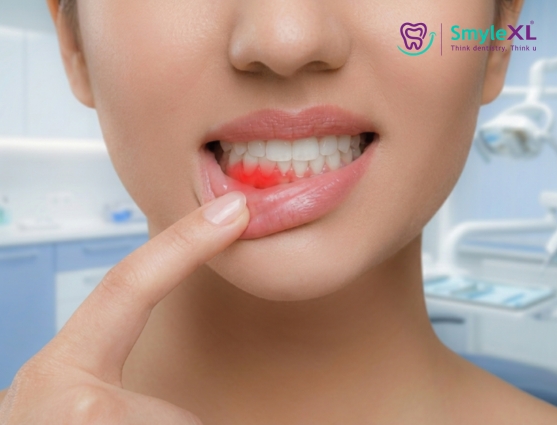
A little blood in the sink after brushing may seem harmless, especially when your gums don’t hurt. But bleeding, puffiness, or tenderness can sometimes be early signs of gum disease. If you’re exploring gum treatment in Vrindavan Yojana, Lucknow, understanding these warning signs can help you recognize when your gums may need attention.
Gum problems often develop gradually. Plaque builds up around the teeth and, if not removed properly, can irritate the gums. Over time, the gums may begin pulling away from the teeth, creating spaces where more bacteria collect. In advanced cases, the bone supporting the teeth may also become damaged.
Gum treatment aims to control infection and inflammation, protect the supporting tissues, and help maintain natural teeth. At SmyleXL Dental Clinic, treatment planning depends on the condition of the gums, severity of the disease, and individual dental needs.
Gum treatment involves procedures that help manage inflammation, infection, and damage affecting the gums and tissues supporting the teeth. The treatment depends on whether the problem is limited to the gums or has progressed to involve the underlying bone.
Gum disease generally develops in two main stages:
A deep-cleaning procedure that removes plaque and hardened deposits from above and below the gumline. The root surfaces are also cleaned to help the gums heal.
A procedure in which the gum tissue is gently lifted to allow access to deeper areas around the tooth roots. After cleaning, the tissue is repositioned and secured.
Selected gum conditions may be treated using dental lasers as part of a broader treatment plan. Suitability depends on the condition being treated and the available clinical evidence.
Gum grafting involves placing tissue over areas where the gums have receded. It may help protect exposed tooth roots and improve gum coverage.
In selected cases, bone grafting materials may be used to help repair certain defects in the bone supporting the teeth.
Bleeding gums, persistent bad breath, gum swelling, or teeth appearing longer than before may indicate gum disease. Some people have advanced gum problems without significant pain.
Common warning signs include:
These symptoms do not always mean that surgery is necessary. A dental examination helps determine the severity of the condition and the appropriate treatment.
Gum treatment helps control gum disease, reduce inflammation, and protect the tissues supporting natural teeth.
1. Reduces Gum Inflammation
Removing harmful deposits and managing infection can help improve gum swelling, redness, and tenderness.
2. Helps Control Gum Bleeding
As inflammation improves, bleeding during brushing and flossing may gradually decrease.
3. Supports Natural Tooth Preservation
Managing gum disease helps reduce further damage to the tissues and bone that hold teeth in place.
4. May Improve Bad Breath
Treating gum infection and removing bacterial deposits can help reduce bad breath associated with gum disease.
5. Protects Exposed Tooth Roots
Gum grafting may provide additional coverage for selected areas affected by gum recession.
6. Supports Long-Term Gum Health
Regular maintenance after treatment helps control plaque buildup and reduces the risk of disease progression.
Gum treatment is planned to improve oral health, although temporary discomfort and a healing period may follow certain procedures.
Some considerations include:
Most temporary symptoms can be managed with appropriate aftercare. Severe pain, increasing swelling, fever, or uncontrolled bleeding should be evaluated promptly.
Gum treatment begins with examining the gums and measuring the areas around the teeth. The procedure then depends on the severity of gum disease and whether deep cleaning or surgical treatment is required.
Step 1: Gum Examination
The dentist checks for bleeding, swelling, gum recession, and loose teeth. A small measuring instrument may be used to assess the spaces between the teeth and gums.
Step 2: Dental X-rays
X-rays may be recommended to examine the bone supporting the teeth and identify areas affected by advanced gum disease.
Step 3: Deep Cleaning
Scaling and root planing remove plaque and hardened deposits from the tooth surfaces and below the gumline.
For many patients, this is an important initial treatment for managing periodontitis.
Step 4: Reviewing Gum Healing
After the gums have had time to heal, the dentist reassesses inflammation, bleeding, and the depth of spaces around the teeth.
Step 5: Additional Gum Procedures
If deeper areas remain difficult to clean or significant tissue damage is present, further treatment may be recommended.
Depending on the condition, this may include flap surgery, selected laser procedures, gum grafting, or bone grafting.
Step 6: Maintenance and Follow-Up
Patients receive guidance about brushing, cleaning between the teeth, and maintaining gum health.
Regular periodontal maintenance appointments help monitor healing and identify signs of recurring inflammation.
The cost of gum treatment in Vrindavan Yojana, Lucknow depends on the type of procedure, the extent of gum disease, and the number of areas requiring treatment. Deep cleaning may cost ₹1,500 to ₹6,000 per quadrant, while surgical procedures such as gum grafting, flap surgery, or bone grafting involve different expenses.
The overall cost may be higher when several areas require treatment or when multiple procedures are included in the treatment plan.
Treatment | Approximate Cost |
Deep Cleaning (Scaling and Root Planing) | ₹1,500–₹6,000 per quadrant |
Gum Flap Surgery (Single Quadrant) | ₹3,600–₹11,000 |
Gum Flap Surgery (Full Arch, Two Quadrants) | ₹7,200–₹20,000 |
Flap Surgery With Bone Graft | ₹11,000–₹31,500 per site |
Laser Gum Treatment | ₹6,000–₹20,000 per quadrant |
Gum Grafting | ₹5,000–₹15,000 per tooth |
Understanding the Treatment Units: A quadrant refers to one-quarter of the mouth, such as the upper-right or lower-left section. A full arch includes either the upper or lower teeth and generally consists of two quadrants. Gum grafting may be priced per tooth, while bone grafting may be charged per treated site.
Mild inflammation and advanced gum disease require different treatments. Deeper gum pockets or bone loss may involve additional procedures.
Treating one quadrant usually costs less than treating several areas. The total expense increases with the extent of gum involvement.
Deep cleaning, flap surgery, laser procedures, and gum grafting involve different materials, instruments, and treatment requirements.
Significant gum recession or bone defects may require grafting or more complex surgical care.
Dental imaging, reassessment, and ongoing maintenance may influence the overall treatment expense.
Depending on the selected procedure, the charges may include:
Exact inclusions depend on the treatment plan.
Additional expenses may apply for:
Not every patient needs these services. The treatment estimate should clarify the number of quadrants or sites involved and any additional charges.
Disclaimer: The prices mentioned above are approximate and indicative. Actual costs may vary depending on the severity of gum disease, treatment area, selected procedure, tissue condition, and additional dental requirements. A dental examination is necessary to determine the appropriate treatment and provide an accurate cost estimate.
SmyleXL Dental Clinic provides gum treatment with attention to identifying gum disease, managing inflammation, protecting natural teeth, and explaining treatment requirements clearly.
Experienced Dentists
The dentists examine gum health, tooth stability, and supporting tissues before recommending suitable treatment or specialist care when required.
5-Step Sterilization Protocol
The clinic follows a five-step sterilization protocol to support instrument hygiene and infection control during dental procedures.
Highly Ethical and Cost-Transparent Dentistry
Patients receive information about recommended procedures, treatment stages, expected expenses, and any additional care requirements.
Personalized Care in a Relaxing Environment
Treatment planning considers the severity of gum problems, individual oral health, and patient comfort. The procedure and maintenance instructions are explained in simple language.
Bleeding, swelling, or receding gums may begin gradually, but untreated gum disease can eventually affect the tissues and bone supporting your teeth. Recognizing these changes early can help prevent further damage.
For people considering gum treatment in Vrindavan Yojana, Lucknow, understanding the symptoms, available treatments, and expected expenses can make dental decisions easier.
Daily brushing, cleaning between the teeth, avoiding tobacco, and attending recommended dental checkups are important for maintaining gum health. If gum bleeding persists or teeth begin feeling loose, consulting a dentist can help identify the cause and determine the appropriate treatment.
1. Can Gum Disease Be Cured Completely?
Early gum disease, known as gingivitis, can often be reversed with appropriate cleaning and oral hygiene. Advanced gum disease, or periodontitis, usually requires ongoing management because lost supporting tissue and bone may not fully recover.
2. Is Deep Cleaning Painful?
Deep cleaning may cause some discomfort, particularly when the gums are inflamed or sensitive. Dentists use appropriate comfort measures, and any temporary soreness or sensitivity generally improves after treatment.
3. Can Receding Gums Grow Back Naturally?
No, gums that have receded generally do not grow back naturally. Gum grafting may help cover exposed roots in selected cases, while proper oral care can help reduce further recession.
4. How Long Does It Take for Gums to Heal After Treatment?
Gums may begin feeling better within several days after deep cleaning, although deeper healing takes longer. Surgical treatments such as gum grafting or flap surgery may require several weeks or more, depending on the procedure.
5. Can Loose Teeth Become Firm Again After Gum Treatment?
Some teeth may become more stable after inflammation is controlled, particularly when looseness is related to active gum inflammation. However, teeth with significant bone loss may remain loose and require additional treatment or support.