Jaw Pain Treatment in Vrindavan Yojana, Lucknow
Jaw Pain Treatment in Vrindavan Yojana, Lucknow
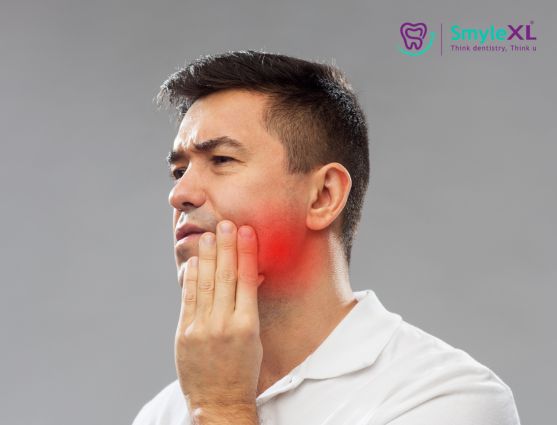
A clicking sound when you open your mouth, stiffness while chewing, or an aching sensation near your ears may seem like minor discomfort at the beginning. If you’re exploring jaw pain treatment in Vrindavan Yojana, Lucknow, understanding what causes these symptoms can help you recognize when your jaw needs attention.
Jaw discomfort can develop gradually. What starts as occasional tightness may become more noticeable while eating, speaking, yawning, or opening your mouth widely. Some people also experience headaches, facial soreness, or difficulty chewing certain foods.
Jaw pain can have several causes, including teeth grinding, jaw joint problems, muscle tension, dental infections, or bite-related concerns. At SmyleXL Dental Clinic, treatment planning focuses on identifying the underlying cause and considering appropriate ways to relieve discomfort and improve jaw movement.
Jaw pain treatment involves identifying and managing conditions affecting the jaw muscles, jaw joints, teeth, or surrounding tissues. The treatment approach depends on where the pain originates, how long it has been present, and whether it affects everyday activities.
The temporomandibular joint (TMJ) connects your lower jaw to your skull. You use these joints whenever you chew, speak, or open your mouth. Problems affecting the joints or surrounding muscles are often called temporomandibular disorders (TMD).
However, not all jaw pain comes from the TMJ. Dental infections, damaged teeth, muscle strain, and certain jaw alignment problems can also cause discomfort.
Treatment may involve:
A proper diagnosis helps determine which approach is appropriate.
Jaw discomfort that keeps returning, affects chewing, or makes opening your mouth difficult may indicate a problem requiring dental evaluation.
Common symptoms include:
Occasional painless clicking does not always require treatment. However, persistent pain, worsening movement, or repeated jaw locking should be evaluated.
Jaw pain treatment aims to reduce discomfort, improve jaw movement, and address the factors contributing to the problem. The benefits depend on the underlying diagnosis and the treatment selected.
1. Helps Reduce Pain
Appropriate treatment may relieve discomfort around the jaw joints, cheeks, temples, and surrounding muscles.
2. Improves Jaw Movement
Jaw exercises, physical therapy, and other recommended treatments may help improve flexibility and make opening and closing the mouth more comfortable.
3. Makes Eating More Comfortable
Reducing muscle tension or joint discomfort can make chewing and biting less difficult.
4. Helps Manage Teeth Grinding
Suitable dental appliances and habit-related care may reduce the effects of grinding on the teeth and surrounding jaw muscles.
5. Addresses Underlying Dental Problems
When jaw discomfort originates from an infected or damaged tooth, treating the dental condition may help relieve the associated pain.
6. Supports Everyday Comfort
Managing persistent jaw discomfort may make speaking, eating, and other routine activities easier.
Most jaw pain conditions can initially be managed using conservative approaches, although recovery time and treatment response vary depending on the cause.
Some considerations include:
Regular follow-ups and appropriate adjustments help assess whether the selected treatment is working. A sudden inability to open or close the mouth, significant swelling, fever, or severe pain requires prompt medical or dental evaluation.
Jaw pain treatment begins with identifying the cause of discomfort. Many patients benefit from nonsurgical management, while complex structural problems may require referral for additional treatment.
Step 1: Understanding Your Symptoms
The dentist asks about the location, duration, and pattern of pain. Habits such as teeth grinding, jaw clenching, and frequent gum chewing may also be discussed.
Step 2: Examining the Jaw and Teeth
The jaw joints, surrounding muscles, teeth, and bite are examined. The dentist checks how comfortably you can open and close your mouth.
Step 3: Diagnostic Tests
Dental X-rays may be recommended when a tooth-related or bone-related cause is suspected. More detailed imaging, such as CT or MRI, may be required in selected cases.
Step 4: Planning the Treatment
Based on the findings, treatment may begin with:
Step 5: Addressing Dental or Structural Causes
If pain is related to tooth decay, infection, or another dental problem, appropriate dental treatment is planned.
Patients with significant jaw alignment problems or conditions requiring surgery may be referred to an oral and maxillofacial surgeon for further assessment.
Step 6: Monitoring Improvement
Follow-up examinations help assess pain reduction, jaw movement, and treatment progress. The care plan may be adjusted according to the response.
The cost of jaw pain treatment in Vrindavan Yojana, Lucknow varies considerably depending on the underlying cause and the treatment required. At SmyleXL Dental Clinic, the appropriate course of care is determined after examining the jaw joints, muscles, teeth, and bite. Some conditions may be managed using dental appliances, exercises, or medications, while complex structural problems may require surgical evaluation.
Treatment Category | Approximate Cost |
Nonsurgical TMJ care, including appliances, therapy, and medications | ₹1,400–₹1,35,000 |
Corrective jaw surgery (orthognathic surgery) | ₹1,08,000–₹5,40,000 per jaw |
Root canal treatment for tooth-related pain, when indicated | ₹2,000–₹8,000 per tooth |
Dental X-rays and diagnostic investigations | Cost depends on the examination required |
These figures are broad indicative estimates for different treatment pathways, not fixed charges for every patient. Corrective jaw surgery is a separate, specialized hospital-based procedure and is not a routine treatment for TMJ pain. Availability and actual charges must be confirmed with the treating provider.
Muscle strain, teeth grinding, joint problems, and dental infections require different approaches. Identifying the cause is important because not every patient needs the same treatment.
Self-care guidance and short-term medications involve different expenses from custom dental splints, supervised therapy, or surgical procedures.
Long-standing discomfort or restricted jaw movement may require additional investigations, repeated reviews, or extended treatment.
Routine dental X-rays may be sufficient in some cases. Complex joint conditions may require CT scans, MRI, or specialist assessment.
If jaw discomfort originates from an infected tooth, procedures such as root canal treatment may be necessary. The cost depends on the affected tooth and treatment complexity.
Depending on the selected care plan, charges may cover:
The exact inclusions vary by treatment type.
Additional expenses may apply for:
Not every patient requires these services. A treatment estimate should clarify the proposed procedures, included visits, and any additional charges.
Disclaimer: The prices mentioned above are approximate and indicative. Actual costs may vary depending on the cause of jaw pain, severity of symptoms, diagnostic requirements, treatment duration, and additional procedures. Surgical costs are general estimates and do not represent a confirmed service or quotation from SmyleXL Dental Clinic. A clinical evaluation is necessary to determine the appropriate treatment and obtain an accurate cost estimate.
SmyleXL Dental Clinic focuses on identifying possible dental and jaw-related causes of discomfort, explaining the available treatment approaches, and planning care according to individual needs.
Experienced Dentists
The dentists assess jaw movement, bite relationships, dental conditions, and related symptoms before recommending suitable treatment or referral when necessary.
5-Step Sterilization Protocol
The clinic follows a five-step sterilization protocol to support instrument hygiene and infection control during examinations and dental procedures.
Highly Ethical and Cost-Transparent Dentistry
Patients receive information about recommended investigations, available treatment options, expected expenses, and any additional procedures that may be required.
Personalized Care in a Relaxing Environment
The treatment approach considers the patient’s symptoms, jaw function, and comfort. Procedures and aftercare instructions are explained in simple language.
Jaw pain can interfere with everyday activities such as eating, speaking, and yawning. Although occasional discomfort may settle with simple measures, recurring pain, restricted movement, or jaw locking should not be ignored.
For people exploring jaw pain treatment in Vrindavan Yojana, Lucknow, understanding the possible causes, treatment options, and expected expenses can help make informed decisions about their dental health.
Early evaluation may help identify whether the discomfort originates from the jaw muscles, joints, teeth, or another condition. Consulting a dentist can help determine the appropriate next steps and whether specialist care is needed.
1. Can Jaw Pain Go Away on Its Own?
Yes, mild jaw pain caused by temporary muscle strain or excessive chewing may improve with rest and simple self-care. However, persistent or recurring pain should be evaluated to identify the underlying cause.
2. Can Teeth Grinding Cause Jaw Pain?
Yes, frequent teeth grinding or clenching can strain the jaw muscles and contribute to soreness, particularly after waking. A dentist can assess tooth wear and determine whether habit management or a dental appliance may help.
3. Can Jaw Pain Be Treated Without Surgery?
Yes, many jaw pain conditions can be managed using conservative treatments such as self-care, jaw exercises, physical therapy, medications, or suitable dental splints. Surgery is generally considered only for selected conditions after specialist assessment.
4. How Long Does Jaw Pain Treatment Take?
Treatment duration depends on the cause and severity of the condition. Mild muscle-related discomfort may improve within days or weeks, while persistent joint problems may require treatment and monitoring over several months.