
Kids Dental Treatment in Vrindavan Yojana, Lucknow
Kids Dental Treatment in Vrindavan Yojana, Lucknow
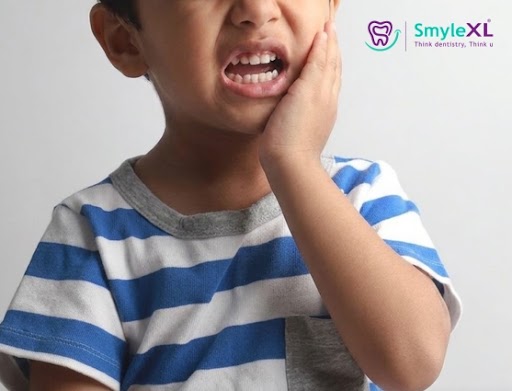
A child may happily eat their favorite snack but suddenly avoid chewing on one side, complain that a tooth feels funny, or become uncomfortable while brushing. These small changes can sometimes indicate a dental concern that needs attention. If you’re looking for kids dentistry in Vrindavan Yojana, Lucknow, understanding your child’s dental needs can help you recognize when a checkup or treatment may be necessary.
Children’s teeth go through several changes as they grow. Baby teeth begin appearing during infancy, permanent teeth gradually replace them, and the jaw continues to develop. During these stages, children may experience cavities, tooth sensitivity, gum problems, or changes in tooth alignment.
Kids dentistry focuses on caring for children’s teeth, gums, and oral development from infancy through adolescence. At SmyleXL Dental Clinic, dental care is planned according to the child’s age, dental condition, comfort, and stage of development.
Kids dentistry, also called pediatric dentistry, focuses on preventing, identifying, and treating dental problems in babies, children, and teenagers. It also involves monitoring how their teeth and jaws develop as they grow.
Baby teeth play an important role in chewing, speaking, and maintaining space for permanent teeth. Even though these teeth eventually fall out, untreated cavities or infections can cause pain and affect a child’s everyday activities.
Regular examinations help monitor tooth development, gum health, dental hygiene, and early signs of cavities.
Gentle cleaning may be recommended to remove plaque and deposits that are difficult to manage through brushing alone.
Fillings repair cavities in baby or permanent teeth, helping restore their shape and chewing function.
Fluoride applications help strengthen tooth enamel and reduce the risk of cavities in children who may benefit from additional protection.
Sealants are thin protective coatings placed on the chewing surfaces of selected back teeth to help prevent cavities.
When decay reaches the inner tissue of a baby tooth or permanent tooth, pulp treatment may be required to manage infection and preserve the tooth when possible.
Dental examinations can identify crowding, bite problems, or unusual patterns of tooth development that may require orthodontic evaluation.
The appropriate treatment depends on the child’s age, symptoms, oral health, and individual dental needs.
Children may require dental attention when they experience tooth pain, sensitivity, visible cavities, gum swelling, or difficulty eating. However, some dental problems develop without noticeable symptoms.
Common signs include:
Regular dental visits remain important even when a child has no symptoms, as early cavities and development concerns may not be obvious at home.
Kids dentistry helps maintain healthy teeth and gums, manage dental problems early, and support normal oral development throughout childhood.
1. Helps Prevent Tooth Decay
Regular examinations, fluoride applications, sealants, and oral hygiene guidance can help lower the risk of cavities.
2. Protects Baby Teeth
Treating damaged baby teeth helps maintain chewing comfort and preserves the space needed for developing permanent teeth.
3. Supports Healthy Tooth Development
Dental checkups allow the dentist to monitor how baby teeth fall out and permanent teeth emerge.
4. Helps Manage Dental Pain
Identifying and treating cavities, infections, or injuries can reduce discomfort and help children return to normal eating and daily activities.
5. Encourages Good Oral Hygiene Habits
Age-appropriate brushing, flossing, and dietary guidance help children and parents develop healthier routines.
6. Helps Children Become Comfortable With Dental Care
Familiarity with dental examinations and clear explanations can make future appointments easier for children to manage.
Dental treatment for children is planned according to their age, dental development, and ability to cooperate. Most routine procedures are straightforward, although some children may need extra time or support during treatment.
A few considerations include:
Clear communication, appropriate treatment planning, and parental support can help make dental care more manageable for children.
Kids dentistry begins with understanding the child’s symptoms, checking oral health, and recommending treatment suited to their age and dental condition.
Step 1: Understanding the Child’s Dental History
The dentist discusses the child’s symptoms, brushing habits, eating patterns, previous dental experiences, and any relevant medical concerns with the parent or caregiver.
Step 2: Gentle Dental Examination
The teeth, gums, bite, and developing jaw are examined. The dentist checks for cavities, damaged teeth, and changes in tooth alignment.
Step 3: Diagnostic Assessment
Dental X-rays may be recommended when necessary to identify cavities between teeth, evaluate developing permanent teeth, or examine deeper dental problems.
Step 4: Explaining the Treatment
The dentist explains the findings and recommended procedures to the parent. The child may also receive a simple, age-appropriate explanation to help them understand what will happen.
Step 5: Performing the Required Procedure
Depending on the examination, treatment may involve cleaning, fluoride application, sealants, fillings, or pediatric pulp treatment.
The procedure is planned according to the child’s dental condition and ability to cooperate.
Step 6: Aftercare and Follow-Up
Parents receive guidance about brushing, food habits, temporary discomfort, and any further treatment requirements.
Regular checkups help monitor the child’s oral health as permanent teeth develop.
The cost of kids dentistry in Vrindavan Yojana, Lucknow depends on the child’s dental condition, age, and treatment requirements. Consultation charges range from ₹100 to ₹500, while general examinations and diagnostic services may cost ₹500 to ₹2,000. More involved procedures, including pediatric root canal treatment, may range from ₹2,000 to ₹8,000.
Children have different dental needs at different ages. Some may only require an examination and preventive guidance, while others need treatment for cavities, infections, or damaged teeth. Therefore, the overall expense depends on the procedures recommended after the dental assessment.
Treatment | Approximate Cost |
Dental Consultation | ₹100–₹500 |
General Checkups and Diagnostic Services | ₹500–₹2,000 |
Pediatric Root Canal / Specialized Dental Treatments | ₹2,000–₹8,000 |
These are indicative charges for different services rather than a fixed package price. The final amount depends on the treatment required.
Routine checkups and preventive procedures generally involve different expenses from fillings, pulp treatment, or other restorative procedures.
A small cavity may require a relatively simple restoration. Deep decay or infection can involve additional treatment steps and appointments.
Children with multiple cavities or damaged teeth may require treatment for several teeth, increasing the overall expense.
Baby teeth and permanent teeth have different structures and treatment requirements. The location and condition of the tooth can influence the procedure selected.
Dental X-rays, additional examinations, and review appointments may be necessary depending on the child’s symptoms and oral development.
Depending on the service selected, the charges may include:
The exact inclusions depend on the recommended treatment and estimate.
Additional charges may apply for:
Not every child requires these services. The treatment estimate should clarify which procedures are included and whether additional expenses may apply.
Disclaimer: The prices mentioned above are approximate and indicative. Actual costs may vary depending on the child’s dental condition, tooth development, type of procedure, treatment complexity, and additional investigations or services required. A dental examination is necessary to determine the appropriate treatment and provide an accurate cost estimate.
SmyleXL Dental Clinic provides dental care for children with attention to oral development, preventive treatment, patient comfort, and clear communication with parents.
Experienced Dentists
The dentists examine children’s teeth, gums, and developing bite before recommending suitable treatment. Dental care is planned according to the child’s age and oral health needs.
5-Step Sterilization Protocol
The clinic follows a five-step sterilization protocol to support instrument hygiene and infection control during dental examinations and procedures.
Highly Ethical and Cost-Transparent Dentistry
Parents receive information about their child’s dental condition, recommended procedures, expected expenses, and any additional treatment requirements.
Personalized Care in a Relaxing Environment
Dental visits are planned with consideration for the child’s comfort, age, and ability to cooperate. Procedures are explained in simple language to help children and parents understand the treatment.
Healthy baby teeth support chewing, speech, and the development of permanent teeth. Paying attention to dental problems during childhood can help reduce discomfort and support oral health as children grow.
For parents exploring kids dentistry in Vrindavan Yojana, Lucknow, understanding preventive care, available treatments, and expected expenses can make decisions about their child’s dental health easier.
Regular brushing with fluoride toothpaste, age-appropriate dietary habits, and dental checkups help protect developing teeth. Consulting a dentist when cavities, pain, or unusual changes appear can help identify problems before they become more complicated.
1. At What Age Should a Child Have Their First Dental Visit?
A child should have their first dental visit when the first tooth appears or by their first birthday, whichever comes earlier. Early visits help monitor tooth development and provide parents with guidance on cleaning and preventing cavities.
2. Do Cavities in Baby Teeth Need Treatment?
Yes, cavities in baby teeth may require treatment because untreated decay can cause pain, infection, and difficulty eating. Baby teeth also help maintain space for permanent teeth, so preserving them when possible is important.
3. How Often Should Children Visit the Dentist?
Many children benefit from dental checkups approximately every six months, although some need more frequent visits depending on their cavity risk and oral health. The dentist can recommend an appropriate schedule after an examination.
4. Is Root Canal Treatment Safe for Children?
Pediatric root canal or pulp treatment is an established procedure used to manage certain deep cavities or infections in children’s teeth. The appropriate treatment depends on whether the affected tooth is a baby tooth or a permanent tooth and whether it can be preserved.
5. How Can I Prevent Cavities in My Child’s Teeth?
Brush your child’s teeth twice daily with age-appropriate amounts of fluoride toothpaste, limit frequent sugary snacks and drinks, and encourage regular dental examinations. Parents should help or supervise brushing until the child can clean their teeth effectively.