Smile Designing Treatment in Vrindavan Yojana, Lucknow
Smile Designing Treatment in Vrindavan Yojana, Lucknow
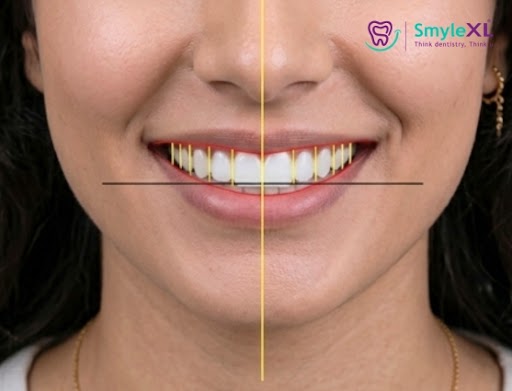
The size of your front teeth, the curve of your smile, and how much of your gums show when you laugh all contribute to the way your smile looks. Even a small difference in tooth shape or spacing can affect its overall appearance. If you’re exploring smile designing in Vrindavan Yojana, Lucknow, understanding how these details are assessed can help you decide which cosmetic improvements may be suitable.
A balanced smile isn’t necessarily about having perfectly white or identical teeth. It’s about how your teeth, gums, lips, and facial features look together. Smile designing considers these individual features before recommending changes to tooth color, shape, alignment, or visible gum levels.
At SmyleXL Dental Clinic, smile designing involves evaluating your existing smile, discussing your cosmetic concerns, and planning suitable dental procedures while considering your oral health and natural tooth structure.
Smile designing is a cosmetic dental planning process that focuses on improving the appearance of your smile by considering tooth shape, size, color, alignment, gum visibility, and facial proportions.
Rather than concentrating on a single tooth, smile designing examines how different parts of your smile work together. The dentist may use photographs, dental impressions, or digital scans to assess the teeth and plan possible changes.
Depending on individual dental needs, the plan may include:
Not every smile design requires multiple procedures. Some patients may benefit from minor improvements, while others need a more comprehensive treatment plan.
Smile designing may be considered when the shape, color, spacing, or alignment of your teeth affects how you feel about your smile. These concerns are not always signs of poor dental health.
Common reasons include:
A dental examination helps determine whether these concerns can be addressed through cosmetic treatment or whether other dental care is needed beforehand.
Smile designing helps plan cosmetic dental improvements while considering natural tooth structure, oral function, and individual facial features.
1. Creates a More Balanced Smile
The treatment plan considers how tooth size, shape, and position relate to one another, helping improve overall smile appearance.
2. Improves Tooth Color
Whitening, veneers, or suitable restorations may help address discoloration and create a more consistent tooth shade.
3. Corrects Minor Cosmetic Imperfections
Dental bonding or veneers can improve chipped edges, uneven shapes, and small spaces between teeth.
4. Considers Facial Features
Smile design planning takes into account the lips, visible gums, and facial proportions rather than focusing only on individual teeth.
5. Can Improve Dental Function
When treatment includes orthodontics or restorative procedures, it may also improve certain bite and chewing problems.
6. Allows Individual Treatment Planning
The procedures are selected according to the condition of the teeth and the desired changes, helping avoid unnecessary alterations to healthy tooth structure.
Smile designing involves different cosmetic procedures, so recovery and maintenance requirements depend on the treatments selected. Most minor concerns can be managed through appropriate planning and aftercare.
Some considerations include:
Understanding the limitations of each procedure helps patients make informed choices and maintain their results.
Smile designing begins with examining your teeth and understanding the changes you want. The dentist then prepares a treatment plan based on your oral health, smile appearance, and functional requirements.
Step 1: Dental Examination
The dentist examines your teeth, gums, bite, and overall oral health. Existing cavities, gum disease, or damaged teeth are identified before cosmetic treatment begins.
Step 2: Discussing Your Smile Concerns
You may discuss specific concerns such as discolored teeth, visible gaps, uneven edges, or tooth alignment.
Step 3: Smile Analysis
Photographs, impressions, or digital scans may be used to assess tooth proportions, gum visibility, smile width, and alignment.
Step 4: Planning the Cosmetic Changes
The dentist recommends suitable procedures according to the findings. Digital previews or trial restorations may sometimes help explain the proposed changes.
Step 5: Performing the Selected Procedures
Treatment may involve whitening, bonding, veneers, gum contouring, orthodontics, or other dental restorations.
The number of appointments depends on the procedures included.
Step 6: Final Assessment and Aftercare
The dentist checks the appearance and function of the treated teeth and makes adjustments when necessary.
Patients receive guidance about oral hygiene, maintaining restorations, and attending follow-up appointments.
The cost of smile designing in Vrindavan Yojana, Lucknow generally ranges from ₹1,500 to ₹15,000 per individual procedure or tooth, depending on the treatment selected. Comprehensive smile designing plans involving orthodontics, multiple restorations, or several cosmetic procedures can cost considerably more.
The final expense depends on whether the goal is to improve a few teeth or make changes across the visible smile.
Treatment | Approximate Cost |
Teeth Whitening | ₹2,000–₹7,000 |
Dental Bonding | ₹1,500–₹3,000 per tooth |
Veneers (Composite / Ceramic) | ₹6,000–₹15,000 per tooth |
Gum Reshaping / Contouring | ₹3,000–₹10,000 |
Braces / Aligners | ₹30,000 onwards |
Clear Aligners | ₹60,000 onwards |
Complete Smile Makeover | ₹50,000+ total |
These prices represent different cosmetic procedures rather than a fixed smile designing package. Orthodontic treatment and comprehensive smile makeovers are priced separately from individual tooth restorations.
Whitening, bonding, veneers, and orthodontic treatment involve different materials, equipment, and treatment processes. The procedures selected influence the overall expense.
Improving one or two teeth usually involves fewer restorations than treating several teeth across the smile.
Existing cavities, damaged restorations, gum problems, or uneven tooth surfaces may require treatment before cosmetic procedures begin.
Composite resin and ceramic restorations differ in appearance, manufacturing requirements, and price. Material selection influences treatment expenses.
Minor cosmetic corrections may require fewer appointments, while orthodontic treatment or extensive restorations can involve multiple visits and a longer treatment period.
Depending on the selected procedures, the treatment charges may include:
Exact inclusions depend on the treatment estimate.
Additional charges may apply for:
Not every patient requires these services. A detailed estimate should identify the planned procedures, number of teeth involved, materials, and any additional expenses.
Disclaimer: The prices mentioned above are approximate and indicative. Actual costs may vary depending on the procedures selected, number of teeth, material choices, dental condition, treatment complexity, and additional requirements. A dental examination is necessary to determine the suitable treatment plan and provide an accurate cost estimate.
SmyleXL Dental Clinic provides smile designing with attention to dental health, tooth appearance, natural facial features, and individual cosmetic concerns.
Experienced Dentists
The dentists evaluate tooth shape, alignment, gum visibility, and bite before recommending suitable cosmetic procedures. Treatment planning considers both appearance and dental function.
5-Step Sterilization Protocol
The clinic follows a five-step sterilization protocol to support instrument hygiene and infection control during dental procedures.
Highly Ethical and Cost-Transparent Dentistry
Patients receive information about the proposed procedures, material options, estimated expenses, and any additional treatment requirements.
Personalized Care in a Relaxing Environment
Treatment plans consider individual smile concerns, oral health, and comfort. The procedures and expected results are explained clearly to help patients make informed decisions.
Improving a smile does not always require extensive dental treatment. Small changes to tooth color, shape, or spacing may make a noticeable difference, while more complex concerns may require a combination of procedures.
For people considering smile designing treatment in Vrindavan Yojana, Lucknow, understanding the planning process, available cosmetic treatments, and expected expenses can help make decisions about their dental appearance.
Maintaining the results requires regular brushing, flossing, dental examinations, and proper care of cosmetic restorations. Consulting a dentist can help determine which changes are appropriate while protecting healthy natural teeth.
1. Is Smile Design Permanent?
Smile designing results are not always permanent because their lifespan depends on the procedures involved. Veneers, bonding, and whitening may require maintenance or replacement, while orthodontic treatment generally requires retainers to maintain tooth alignment.
2. Is Smile Design Safe?
Smile designing is generally safe when suitable procedures are selected after examining the teeth, gums, and bite. Some treatments involve permanent enamel changes or temporary sensitivity, so understanding their benefits and limitations is important.
3. How Long Does Smile Designing Take?
The duration depends on the procedures selected. Whitening or bonding may be completed in one appointment, while veneers may require several visits, and orthodontic treatment can take months.
4. What Is the Difference Between Smile Designing and a Smile Makeover?
Smile designing focuses on evaluating and planning the appearance of the smile, while a smile makeover refers to the cosmetic and restorative procedures used to achieve the planned changes. The terms are often used interchangeably because both may involve treatments such as whitening, veneers, bonding, or orthodontics.
5. Can Smile Designing Be Done Without Veneers?
Yes, smile designing does not always require veneers. Depending on your teeth and cosmetic concerns, improvements may be possible through whitening, dental bonding, gum reshaping, or orthodontic treatment.