
Teeth Whitening in Vrindavan Yojana, Lucknow
Teeth Whitening in Vrindavan Yojana, Lucknow
A cup of tea in the morning, coffee during work, or simply the natural aging process can gradually change the color of your teeth. If you’re considering teeth whitening in Vrindavan Yojana, Lucknow, understanding why teeth become discolored and how whitening works can help you decide whether the treatment is suitable for your smile.
Tooth discoloration usually develops over time. What begins as mild yellowing may gradually become more noticeable, particularly around the front teeth. Even with regular brushing, some stains remain because they develop within the tooth rather than sitting only on its surface.
Teeth whitening is a cosmetic dental procedure that uses whitening agents to lighten the natural color of teeth. At SmyleXL Dental Clinic, treatment is planned according to the existing tooth shade, type of discoloration, oral health, and desired cosmetic improvement.
Teeth whitening is a cosmetic dental procedure that lightens the shade of natural teeth by reducing certain types of discoloration. It involves applying a specially formulated whitening gel that helps break down stain-causing compounds within the teeth.
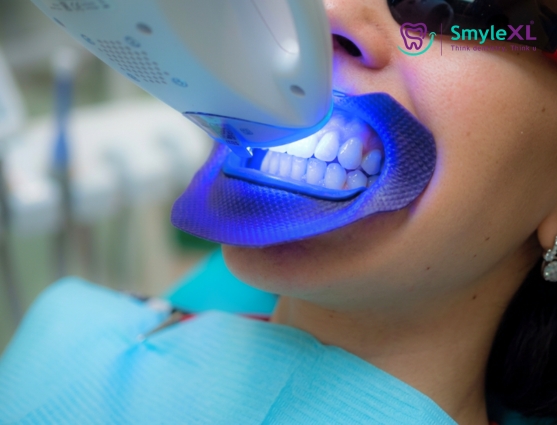
During the procedure, the dentist protects the gums before applying the whitening gel. Some whitening systems use a special light as part of the process, while others work without light activation.
Treatment is generally completed during a dental visit, although additional sessions may be recommended depending on the tooth shade and response.
An important distinction: Teeth whitening changes the color of natural teeth but does not whiten crowns, veneers, or tooth-colored fillings. Existing restorations may therefore need separate consideration when planning the final appearance.
Teeth whitening may be suitable if your natural teeth have become yellow, stained, or uneven in color and you want to improve their appearance.
Common reasons people consider whitening include:
Not every type of discoloration responds equally to whitening. Darkening caused by tooth injury, certain medications, or changes in tooth development may require a different cosmetic approach.
A dental examination helps determine whether whitening is appropriate and whether any existing dental problems should be addressed beforehand.
Teeth whitening can improve the appearance of discolored natural teeth through a dentist-supervised procedure.
Whitening agents break down certain stain-causing compounds, helping lighten teeth affected by aging, food, beverages, and other sources of discoloration.
2. Provides Noticeable Results in a Shorter Time
Whitening can produce visible changes during a dental visit, although the degree of improvement varies between patients.
3. Does Not Require Tooth Reshaping
Unlike veneers or crowns, whitening generally does not require removing healthy tooth structure to change its appearance.
4. Allows Careful Monitoring
The dentist assesses the condition of the teeth, applies protective measures, and monitors the treatment to help manage sensitivity or gum irritation.
5. Improves Overall Smile Appearance
A more even tooth shade can make the visible teeth appear brighter without changing their natural shape or alignment.
The whitening procedure can be adjusted according to the patient’s existing tooth color, sensitivity, and response to the whitening agent.
Teeth whitening is generally well-tolerated when performed after an appropriate dental assessment. However, temporary sensitivity or gum irritation may occur in some patients.
Possible concerns include:
Most temporary sensitivity settles after treatment. A dental assessment, appropriate whitening methods, and recommended aftercare can help manage these concerns.
Teeth whitening generally involves examining the teeth, protecting the gums, applying a whitening gel, and checking the final tooth shade. The procedure is performed under dental supervision.
Step 1: Dental Examination
The dentist examines the teeth and gums to determine whether whitening is appropriate. Cavities, gum inflammation, existing restorations, and tooth sensitivity are considered before treatment.
Step 2: Recording the Existing Tooth Shade
The current tooth color is assessed using a shade guide or photographs. This provides a reference for comparing the appearance before and after whitening.
Step 3: Preparing the Teeth and Protecting the Gums
The teeth are prepared for whitening, and a protective barrier is placed around the gums to reduce contact with the whitening gel.
Dental cleaning may be recommended separately if plaque or tartar needs to be removed.
Step 4: Applying the Whitening Gel
A whitening gel is applied to the visible surfaces of the teeth.
Depending on the system used, the gel may remain on the teeth for a prescribed period before being removed or replaced. Some systems incorporate light activation.
Step 5: Checking the Whitening Progress
The dentist monitors the teeth during the procedure and assesses the shade change. Additional application cycles may be performed according to the selected whitening system and tooth response.
Step 6: Final Evaluation and Aftercare
Once the procedure is complete, the whitening material and protective barriers are removed. The dentist checks the final tooth shade and provides instructions for managing temporary sensitivity and maintaining the results.
The appointment duration and number of sessions depend on the whitening system, degree of discoloration, and individual treatment response.
The cost of teeth whitening in Vrindavan Yojana, Lucknow ranges from ₹3,600 to ₹13,500, depending on the whitening system, extent of discoloration, number of sessions, and individual dental requirements.
Teeth whitening is a cosmetic procedure, and its cost may vary because different patients require different levels of treatment. Someone with mild yellowing may have different whitening requirements from a patient with more noticeable or long-standing discoloration.
The range represents the estimated cost of teeth whitening performed at the clinic. The final amount depends on the treatment recommended after examining the teeth.
Type and Extent of Discoloration
Mild yellowing may respond differently from deeper or long-standing stains. The type of discoloration influences the whitening approach and expected results.
Whitening System Used
Different whitening systems use different formulations, application methods, and treatment protocols. These differences can affect the overall expense.
Number of Sessions Required
Some patients may achieve their desired improvement in one appointment, while others may require additional sessions. The number of sessions influences the total cost.
Existing Tooth Sensitivity
Patients with sensitive teeth may require modifications to the whitening procedure or additional measures to manage discomfort.
Condition of the Teeth and Gums
Cavities, gum inflammation, or other dental concerns may need attention before whitening begins. These requirements can affect the overall treatment plan.
Depending on the treatment package, the whitening charge may include:
The exact inclusions depend on the whitening system and treatment estimate.
Additional expenses may apply for:
Not every patient requires these services. A treatment estimate should clarify how many sessions are included, the whitening method, and any possible additional charges.
Disclaimer: The prices mentioned above are approximate and indicative. Actual costs may vary depending on the whitening system, degree of discoloration, number of sessions, tooth sensitivity, and additional dental procedures required. A dental examination is necessary to determine treatment suitability and provide an accurate cost estimate.
SmyleXL Dental Clinic provides teeth whitening with attention to oral health, patient comfort, and clear communication about treatment expectations.
Experienced Dentists
The dentists examine the teeth, gums, existing restorations, and type of discoloration before recommending a suitable whitening procedure.
5-Step Sterilization Protocol
The clinic follows a five-step sterilization protocol to support instrument hygiene and infection control during dental procedures.
Highly Ethical and Cost-Transparent Dentistry
Patients receive information about the whitening procedure, expected results, possible sensitivity, estimated costs, and any additional treatment requirements.
Personalized Care in a Relaxing Environment
Whitening treatment is planned according to individual tooth conditions, cosmetic concerns, and comfort. The procedure and aftercare instructions are explained clearly.
Tooth discoloration can develop gradually due to aging, dietary habits, and other factors. Teeth whitening offers a way to lighten natural teeth without changing their shape or requiring extensive dental restoration.
For people considering teeth whitening in Vrindavan Yojana, Lucknow, understanding the procedure, expected results, costs, and maintenance requirements can help make informed cosmetic dental decisions.
Whitening results are not permanent, but regular brushing, dental care, and limiting exposure to stain-causing substances can help maintain the improvement. Consulting a dentist can help determine whether whitening is suitable for your teeth.
1. Is Teeth Whitening Painful?
Teeth whitening is generally not painful, although some patients may experience temporary tooth sensitivity or mild gum irritation. These effects usually settle within a short period after treatment.
2. Do Teeth Turn Yellow Again After Whitening?
Yes, teeth can gradually become yellow or stained again after whitening because of aging, dietary habits, and tobacco use. Good oral hygiene and limiting stain-causing substances can help maintain the results longer.
3. How Long Does Teeth Whitening Take?
A teeth whitening appointment commonly takes around 60–90 minutes, although the duration depends on the system used and the number of application cycles. Some patients may require additional visits to achieve the desired improvement.
4. How Long Do Teeth Whitening Results Last?
Whitening results may last several months to a few years, depending on oral hygiene, diet, smoking habits, and natural tooth discoloration. The duration varies between patients, and maintenance treatment may eventually be necessary.
5. Can Teeth Whitening Damage Tooth Enamel?
Dentist-supervised teeth whitening is generally considered safe for healthy teeth when appropriate products and procedures are used. However, excessive or inappropriate whitening can increase tooth sensitivity and may affect enamel or irritate the gums.