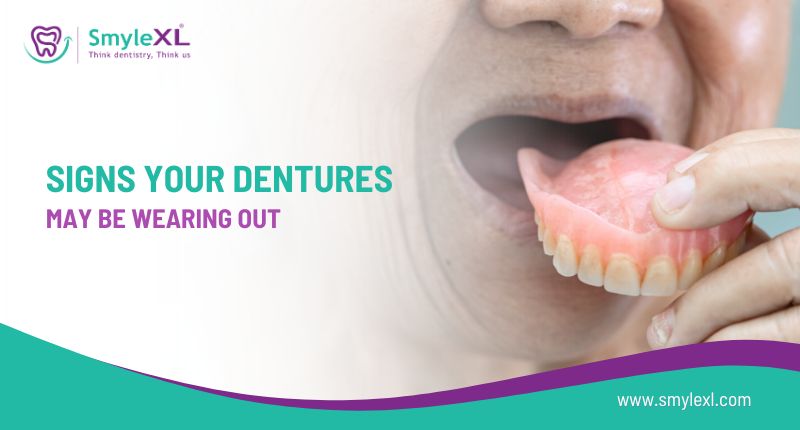

Have you ever felt like your dentures are secretly plotting against you? One moment they fit fine, and the next they’re playing slide-and-seek during a conversation. If your teeth have started acting funny and not in the stand-up comedy kind of way, it might be time to check if your dentures are quietly wearing out.
Most people don’t think twice once they start wearing dentures. They assume it’s a one-time fix, like buying a mixer grinder. But even the best ones give up after a while, especially if you’re using them daily. Dentures are no different.
Let’s decode the signs, without the confusing doctor-speak.
Table of Contents
ToggleYour Gums Are on Strike
You didn’t fall. You didn’t chew on anything weird. But your gums are sore, red, and irritated. Why?
Because worn-out dentures stop fitting like they used to. They rub against the gums, especially when chewing or speaking. If your denture feels like a guest who overstayed their welcome, your gums will be the first to complain.
Also, if you feel little cuts or ulcers on your gums, that’s your body’s way of saying, “Bhai, this denture is not doing its job anymore.”
Slippery Dentures? Not a Magic Trick
Let’s be real. Dentures slipping out while talking or eating is not only annoying, but also kind of embarrassing. No one wants their dentures to start dancing mid-meal.
Loose dentures usually mean your gums and jawbone have changed shape. This is common with age. Your old denture doesn’t get that update—it just sits there, trying its best. But there’s only so much a worn-out denture can do.
Watch out for these:
- Clicking sounds while speaking
- Feeling like your denture will fall if you laugh too hard
- Using more adhesive than usual (glue is not a long-term solution)
- Chewing is becoming a slow and careful process
If this sounds familiar, it’s not you. It’s the denture.
The “I’m Talking Funny” Phase
Has someone asked you, “Why are you speaking like that?” and you didn’t even notice?
When your denture wears out, it changes how your tongue moves inside your mouth. You may start pronouncing words differently or develop a slight whistle when you say certain letters.
It’s not your age. It’s not the weather. It’s not your dry throat. It’s your denture crying for help.
Chewing Feels Like a Workout
Remember the time when you could bite into something without feeling like you were attempting a gym PR?
Worn-out dentures make chewing uneven. Some parts may feel flat, smooth, or sharp. This creates pressure points on your jaw and muscles.
Here’s what people usually notice:
- Food feels too hard, even if it isn’t
- Jaw aches after meals
- Taking forever to finish eating
- Avoiding certain foods that were once easy to chew
This is not about taste buds changing. It’s about dentures getting tired.
The Face Behind the Face
A subtle sign that people often miss is how your face starts to look different.
When dentures no longer support your cheeks and lips properly, your face may look sunken. That youthful shape? Gone. The corners of your mouth? Drooping.
And then you start wondering, why do you look older in selfies now?
It’s not always age. Sometimes, it’s just your denture not keeping up with your face.
The Mirror Tells the Truth
If your denture has chips, cracks, or is missing a tooth, don’t ignore it.
It might still function, but that doesn’t mean it’s safe. A cracked denture can break suddenly. Sharp edges can cut your mouth. And a missing tooth can mess up your bite.
Would you wear chappals with broken straps to a wedding? No, right? Same logic.
Look out for:
- Discoloration
- Teeth that look ground down
- Hairline cracks
- Missing or wobbly teeth on the denture
Even if you’ve gotten used to it, your mouth deserves better.
The Age of the Denture Matters Too
A lot of people forget that dentures have a lifespan. They’re not meant to last forever.
On average, dentures last 5 to 7 years. After that, they start giving up quietly, changing shape, losing grip, becoming uncomfortable.
So, if your dentures are older than your current smartphone, they probably need a check-up.
And if you’ve been using the same set since your son got married or your daughter graduated from college, it’s time to have a serious look.
When Denture Adhesives Become Your Best Friend
Adhesives are useful. But if you’re applying them every day like it’s toothpaste, your denture is probably loose.
You shouldn’t need to rely on denture glue every single time you wear it. Doing that is like taping a leaky pipe again and again instead of fixing it.
If the glue is holding your denture more than the fit itself, it’s time to see a professional.
Why You Shouldn’t Delay
A lot of people wait until it gets unbearable. They think, “It’s just a little discomfort,” or “I can manage with glue.” But delaying can lead to:
- Mouth infections
- Bone loss in the jaw
- Poor nutrition because of weak chewing
- Constant embarrassment or low confidence
You deserve to eat properly. You deserve to smile freely. You deserve comfort.
And your mouth is already doing so much for you. It doesn’t need extra struggle.
So, what are you waiting for? Schedule a consultation with our expert at SmyleXL Dental Clinic for effective denture treatment.
What Should You Do Now?
It’s simple.
If any of the signs above feel familiar, even a few, it’s time to book a visit. You might need a denture adjustment, a new set, or a shift to something more permanent, like implants.
There’s no one-size-fits-all, but there is something better than struggling every day.
Getting regular checks and timely updates is the best way to extend your denture’s life and keep your smile working the way it should.
If you’ve been secretly Googling about your denture problems, this is your sign to stop scrolling and take action. Pick up the call and schedule your appointment with our expert at SmyleXL Dental Clinic for denture treatment.
A Smile That Doesn’t Retire
Dentures are not a punishment. They’re a second chance at smiling, eating, and living freely. But only if they’re doing their job well.
If your dentures are tired, loose, chipped, or just don’t feel like they used to, it’s time to retire them with respect.
Don’t wait for an embarrassing moment or a painful sore to push you. Take charge today.
Book a consultation for denture treatment and get your mouth the comfort it deserves.
After all, your smile should age like fine wine, not like an expired driving license.
Quick Recap: Signs Your Dentures Are Worn Out
- Sore gums or constant irritation
- Loose fit or slipping dentures
- Speech changes or whistling sounds
- Trouble chewing
- Changes in your facial look
- Visible cracks, stains, or broken parts
- Dentures older than 5–7 years
- Too much dependence on adhesives
If these sound familiar, your denture is waving a white flag. Don’t ignore it.
Say goodbye to discomfort. Say hello to better-fitting, comfortable dentures with expert denture treatment at SmyleXL Dental Clinic, which understands what your mouth really needs.
Because a strong smile isn’t just about teeth, it’s about living fully, laughing freely, and biting into life without fear.