
Jaw Pain After a Root Canal: How Long it Lasts and How to Manage it?
You’ve just completed your root canal treatment, and instead of feeling fully normal right away, you notice something unexpected: a dull ache or discomfort in your jaw.
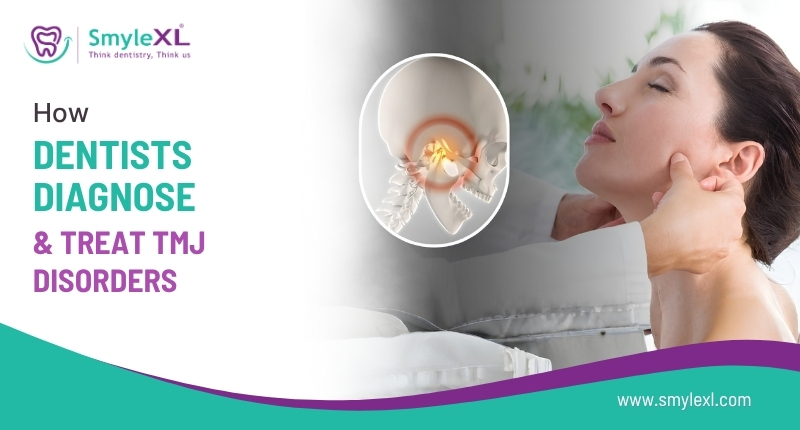
You wake up one morning, and your jaw feels tight. While eating pakoda, you hear a small “click” near your ear. A few days later, chewing starts feeling uncomfortable. Then, headaches begin showing up regularly, especially near the temples.
You wake up, stretch, maybe check your phone, and then your jaw reminds you it exists. Not gently. There’s a stiffness, a dull ache, maybe a clicking sound when you try to yawn. You’ve been horizontal for eight hours doing absolutely nothing, and somehow your jaw is the most exhausted thing in the room.
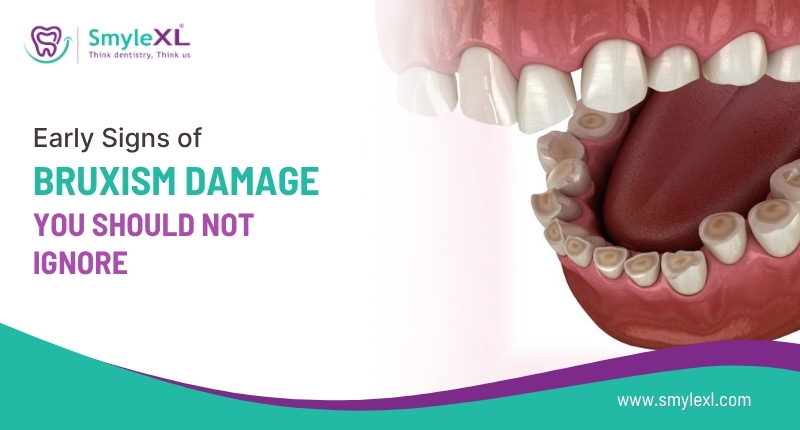
Most people do not realize they grind or clench their teeth until the damage has already started affecting their daily life. What begins as occasional discomfort can slowly turn into persistent headaches, worn teeth, facial tension, and difficulty chewing. In many cases, the warning signs appear months before patients seek professional help.
You know those days when you’re stressed about work, family, deadlines, finances, or life in general?
Your mind is tired.
Before you read another word, stop and notice your jaw right now. Are your upper and lower teeth touching? Unless you are eating or speaking, they should not be. If they are, and if that happens more often than you realize, your jaw is under a strain your dentist can see long before you feel it.