
Most people do not realize they grind or clench their teeth until the damage has already started affecting their daily life. What begins as occasional discomfort can slowly turn into persistent headaches, worn teeth, facial tension, and difficulty chewing. In many cases, the warning signs appear months before patients seek professional help. Recognizing these symptoms early can prevent long-term complications and reduce the need for extensive dental procedures later.
At SmyleXL Dental Clinic, patients frequently visit with unexplained facial discomfort, tooth wear, or recurring headaches, only to discover that nighttime grinding is the root cause. Seeking timely jaw pain treatment can help protect your teeth, jaw joints, and overall oral health before the condition worsens.
Table of Contents
ToggleUnderstanding Bruxism and Why It Happens
It is a condition where a person unconsciously grinds, clenches, or presses their teeth together. It may occur during sleep or while awake, especially during stressful situations. While occasional grinding may not cause major harm, chronic teeth grinding can place excessive pressure on the jaw muscles, teeth, and temporomandibular joints.
Many people ignore mild discomfort at first because the symptoms appear gradually. However, untreated bruxism can lead to tooth fractures, enamel damage, chronic headaches, and severe jaw dysfunction. Early diagnosis and proper jaw pain treatment are important to stop the progression of damage.
Understanding TMJ Disorder Symptoms
Persistent grinding and clenching can eventually contribute to TMJ disorder symptoms. TMJ disorders affect the joints that connect the jaw to the skull, leading to pain, restricted movement, headaches, and muscle fatigue.
Common TMJ disorder symptoms include:
1. Persistent Jaw Muscle Soreness After Waking Up
Recurring morning jaw muscle soreness is one of the earliest indicators. Patients often describe it as a dull ache near the cheeks or along the sides of the face. This soreness develops because the jaw muscles remain under pressure for long periods during sleep.
Over time, the muscles become fatigued and inflamed. Some people notice difficulty chewing breakfast or speaking comfortably early in the day. When ignored, this tension may evolve into chronic facial pain and require professional jaw pain treatment to relieve muscle strain and restore jaw function.
2. Frequent Jaw Clenching During Stress
Many adults unconsciously develop a habit of jaw clenching while working, driving, concentrating, or dealing with stress. The problem is that constant pressure on the jaw joints creates inflammation and muscular imbalance.
People who clench their jaws regularly may notice tightness around the temples, headaches, or tenderness near the ears. In severe cases, the pressure can even affect sleep quality and posture. Identifying jaw clenching habits early can help prevent long-term joint complications and reduce the need for extensive jaw pain treatment later.
Stress management techniques, lifestyle changes, and custom dental appliances can significantly reduce it before permanent damage develops.
3. Teeth Sensitivity That Appears Without Cavities
Another commonly ignored sign is unexplained teeth sensitivity. Many patients assume sensitivity is caused by cavities or cold foods, but grinding also wears down the protective enamel layer of the teeth.
Repeated grinding gradually exposes the inner dentin, making teeth more reactive to hot drinks, cold beverages, or sweet foods. This condition often worsens over time if the underlying grinding habit is not addressed.
At SmyleXL Dental Clinic, early evaluation and proper jaw pain treatment can help identify whether tooth sensitivity is linked to hidden grinding patterns or TMJ-related issues.
4. Jaw Stiffness That Limits Movement
Morning jaw stiffness is another warning sign many people overlook. The jaw may feel tight, tired, or difficult to move freely after waking up. Some patients struggle to open their mouth fully while yawning or eating.
This stiffness occurs because the jaw muscles and joints remain overworked during nighttime grinding episodes. Inflammation gradually develops around the temporomandibular joint, leading to discomfort during speaking or chewing.
If jaw stiffness continues for several weeks, it should not be ignored. Professional evaluation and early jaw pain treatment can prevent the condition from progressing into more serious joint disorders.
5. Enamel Erosion and Flattened Teeth
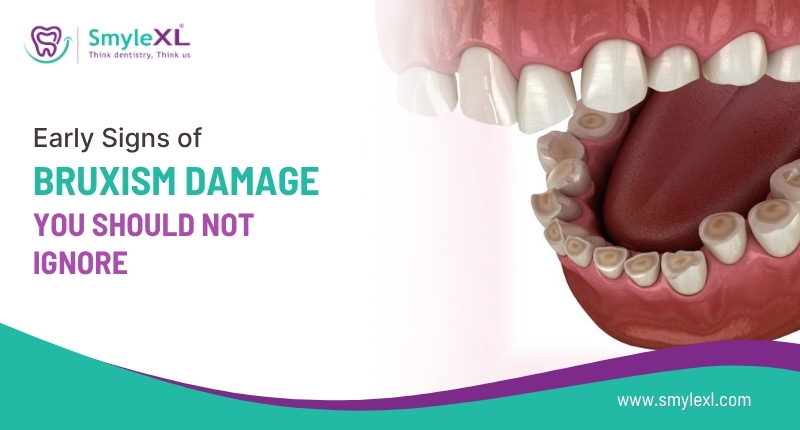
Enamel erosion, when healthy teeth’s smooth edges and natural contours begin to slowly wear down due to grinding. Teeth may begin appearing shorter, flatter, or chipped.
Since enamel does not regenerate naturally, prolonged grinding can permanently weaken the teeth. This may increase the risk of fractures, cavities, and sensitivity.
Dentists often identify hidden teeth grinding patterns during routine examinations by observing enamel erosion and unusual bite pressure marks. Early jaw pain treatment combined with protective night guards can help preserve the remaining tooth structure and prevent further wear.
6. Jaw Locking and Clicking During Movement
Experiencing jaw locking and clicking while eating or speaking is often linked to stress on the temporomandibular joint. Clicking sounds may occur when the joint disc moves improperly due to inflammation or muscular imbalance caused by unconscious grinding.
Some people notice occasional popping noises at first, while others experience temporary locking that makes opening the mouth uncomfortable. These symptoms should never be ignored because they may indicate developing TMJ dysfunction.
Proper diagnosis and targeted jaw pain treatment can help reduce joint stress and restore smoother jaw movement before permanent joint damage occurs.
7. Headaches and Ear Pain Near the Jaw
Bruxism-related tension does not stay limited to the jaw alone. Many patients experience recurring headaches around the temples and forehead due to excessive muscle strain.
Another overlooked symptom is ear pain near the jaw. Since the jaw joints are located close to the ears, inflammation can create discomfort that feels similar to an ear infection. Some people even experience ringing sensations or pressure near the ears.
These symptoms are often mistaken for unrelated medical problems, delaying necessary dental care. Consulting an experienced dental professional for proper jaw pain treatment can help identify whether the discomfort is actually connected to teeth grinding or jaw dysfunction.
8. Jaw Joint Inflammation Can Worsen Quickly
Chronic pressure from grinding often leads to jaw joint inflammation. Inflamed joints may become tender, swollen, or painful during movement. Some patients even experience warmth or pressure near the jaw area.
If jaw joint inflammation remains untreated, the cartilage and joint structures may gradually deteriorate. This can interfere with your eating, speaking, and normal jaw movement.
Timely jaw pain treatment helps reduce inflammation, relax overworked muscles, and protect the joint from further stress. Dentists may recommend night guards, bite adjustments, physiotherapy, or lifestyle modifications depending on the severity of the condition.
Why Should Teeth Grinding Never Be Ignored ?
Many people consider teeth grinding harmless because it often occurs silently during sleep. However, untreated grinding can create lasting dental and muscular damage.
Long-term effects may include:
- Cracked teeth
- Severe enamel wear
- Chronic headaches
- Facial pain
- Jaw locking
- Bite problems
- Sleep disturbances
Early intervention is always more effective than waiting for symptoms to worsen. Seeking professional treatment for bruxism at the first sign of discomfort can prevent the need for expensive restorative procedures later.
Jaw Pain Home Remedies That May Provide Temporary Relief
Some patients try simple Jaw Pain Home Remedies before seeking dental care. While these remedies may temporarily reduce discomfort, they do not address the root cause.
Common Jaw Pain Home Remedies include:
- Applying warm compresses
- Avoiding hard or chewy foods
- Gentle stretching techniques
- Stress reduction exercises
- Maintaining proper sleep habits
- Dentist recommended jaw exercises
These methods can ease muscular tension for short periods, but persistent symptoms still require professional evaluation and proper jaw pain treatment.
How Jaw Exercises Help Reduce Muscle Tension ?
Dentists often recommend gentle Jaw exercises to improve flexibility and reduce muscle tightness. Controlled stretching movements can help strengthen the jaw muscles and improve joint mobility.
Take Action Before It Cannot Be Treated
Bruxism often develops silently, but the warning signs usually appear long before severe damage occurs. Symptoms like jaw muscle soreness, jaw stiffness, teeth sensitivity, jaw locking and clicking, and recurring headaches should never be ignored.
The earlier you seek professional jaw pain treatment, the easier it becomes to prevent complications involving the teeth, muscles, and jaw joints. If you notice persistent discomfort, teeth grinding habits, or TMJ-related symptoms, consulting a qualified dental professional can help protect your smile and improve your quality of life.
Early attention today can save you from major discomfort tomorrow.
FAQs
How do doctors treat jaw pain?
Doctors typically recommend medications alongside dental devices as part of a treatment plan. Custom-fitted oral appliances, available in soft or firm materials, are placed over the teeth to support proper jaw alignment and reduce strain.
What vitamin deficiency causes jaw stiffness?
B vitamins, particularly B12, play a key role in keeping nerves and muscles functioning properly, including those involved in jaw movement. When the body lacks sufficient B vitamins, muscles can become weak and fatigued, which may worsen TMJ-related symptoms.
Can a blocked artery cause jaw pain?
Yes. When the blood supply to the masseteric and facial arteries, which feed the jaw muscles, becomes restricted, it can trigger a condition known as jaw claudication. Giant cell arteritis is the most frequently identified cause of this reduced blood flow.
When should you visit an Orofacial Pain Specialist?
You should consider visiting an Orofacial pain specialist if you experience persistent jaw pain, facial discomfort, recurring headaches, or chronic ear pain that does not improve with basic treatment.
Why is early consultation important for chronic facial pain?
Early evaluation can help identify the exact cause of the pain, prevent worsening complications, and improve long-term treatment outcomes more effectively.