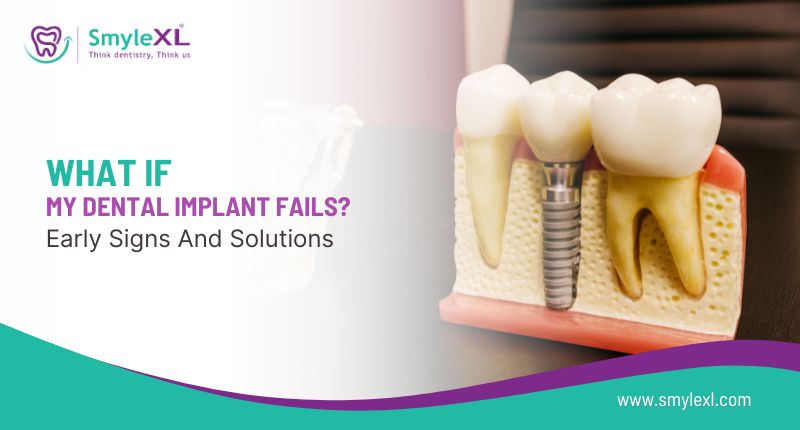

You know that feeling when something’s supposed to be permanent, but it starts acting like it has second thoughts? Like a fan that stops spinning during a power cut, or a friend who always says “I’ll call you back” and never does. That’s how it can feel when your dental implant, your big dental upgrade, starts to show signs it may not be doing so well.
Relax. You’re not the only one with questions. Dental implants are amazing. They’re like the seasoned actors of tooth replacement, steady, long-lasting, and reliable. But every now and then, one of them goes off-script. Let’s break it down gently and see what might be going on behind the scenes.
Table of Contents
ToggleBut Wait… Can a Dental Implant Really Fail?
It can, yes. But it doesn’t mean it always will.
Dental implant failure is rare. It’s like those rare matches where the Indian cricket team actually loses at home, you remember it, but it’s not an everyday thing. Still, when an implant fails, it can feel personal. You spent time, money, and courage. You sat in that chair with your mouth open, trusting science. And now your gums are feeling weird?
Let’s figure out if what you’re feeling is part of the regular healing ride or a sign that the wheels are coming off.
Early Signs That Something’s Off
Think of your mouth as a mini apartment. A dental implant is the new tenant. A good tenant settles in, pays rent (read: functions well), and doesn’t disturb the neighbors (your other teeth and gums). But if things start going wrong, the signs show up early.
Here’s what to look for:
- Pain that gets worse, not better
Some pain after dental implant surgery is normal. But if it’s getting worse days or weeks later, that’s a sign worth noticing. - Swelling that sticks around
Swelling usually reduces after the first week. If it lingers like a nosy society uncle, it might be trouble. - The implant feels loose
Your implant should feel just like your natural teeth. If it wiggles even a little, it’s not okay. - Pus or bad smell near the implant
No sugarcoating this one. If there’s a bad smell or some yellowish gunk near the area, it could be an infection. - Gums pulling away
Receding gums around the implant? That’s your gums trying to ghost your implant. Not a good sign.
So… Why Would an Implant Fail?
Dental implants are built to last. We’re talking titanium dental implants here, not those cheap plastic items from Diwali stalls. But even the strongest metal can’t always win against certain problems.
Let’s go through the common reasons:
1. Poor Healing or Bone Support
Sometimes the bone isn’t ready to hold the implant tight. You might need a bone graft for implants beforehand, especially if the bone is weak or thin. Skipping that step can lead to failure.
2. Infections Like Peri-Implantitis
This is a fancy word for infection around the implant. It’s like gingivitis’s mean cousin. If caught early, it’s treatable. But ignored? It might ruin your dental restoration.
3. Biting Too Hard, Too Soon
Some people forget that recovery after dental implant surgery takes time. Biting into hard things too early is like running before your leg cast is off. Not smart.
4. Smoking and Health Issues
Smoking, diabetes, and other medical conditions reduce your body’s ability to heal. They also increase the risk of your permanent dental solution turning into a temporary headache.
Can Late Failures Happen Too?
Yes, unfortunately.
Some implants fail months or years after placement. That’s called late failure, and it’s usually caused by:
- Poor oral hygiene
- Grinding teeth at night
- Bone loss over time
- Loose dental crown placement
If you’ve had your implant for a while and it’s suddenly causing drama, don’t ignore it. It might be a simple fix, or it might need a more thorough look at the root cause, quite literally.
What To Do If Your Implant Feels Like It’s Failing?
Let’s not panic. Your best move? Get to your implant dentist near me or your regular dental implant clinic. Don’t wait it out, thinking it’ll get better on its own. You wouldn’t wait for a ceiling fan to fall before calling the electrician, right?
Here’s what a dentist might do:
- Dental X-rays
To see what’s going on beneath the gumline. - Deep cleaning around the implant
Sometimes the infection is mild and a cleaning can fix things. - Adjustment of crown or bite
A bad bite can stress the implant. A minor tweak might solve the issue. - Bone graft or replacement
In severe cases, the implant might be removed and replaced after strengthening the area.
Good news? A failed implant doesn’t mean the end of the road. Most patients can get a new one after proper healing.
Can I Prevent Implant Failure?
Ah, now we’re talking. This is where you shine. Keep your implant happy with these habits:
- Brush and floss regularly (no excuses, even at weddings)
- Don’t skip dental visits
- Quit smoking, or at least cut down
- Avoid chewing ice or biting pens (yes, even when you’re bored)
- Wear a nightguard if you grind your teeth
A little care goes a long way when it comes to your dental implant treatment.
What About the Money Part?
We get it. Implants aren’t cheap. The dental implant cost varies, but it’s usually a significant investment. That’s why the thought of failure hits harder.
But here’s something you should know: good clinics offer warranties or support if things go wrong. Always ask during your consultation. Choosing an affordable dental implants option doesn’t mean you compromise on quality. It means you pick smart.
And please, choose your clinic like you choose your travel agent, not the cheapest, but the one that won’t leave you stranded.
Picking the Right People Makes All the Difference
When you’re planning your dental implant procedure steps, the dentist you choose matters more than the brand of the implant. A skilled professional will walk you through every step, prepare your mouth properly, check your bone density, and make sure your implant sits like royalty.
Ask around. Read reviews. Go for a dental implant consultation before you say yes. A good dentist will explain the process, risks, aftercare, and make you feel like you’re not just another name in the file.
Your comfort matters. Your trust matters more.
Let’s Not Leave You Hanging
If your implant is acting funny, don’t wait for it to start singing lullabies. Catching the problem early is the smart move. Whether it’s post-surgery discomfort or something just doesn’t feel right, say it. Call your dentist, book that checkup.
And if you haven’t got your implant yet and this blog just scared you a little, don’t worry. The benefits of dental implants far outweigh the risks. It’s not about avoiding problems; it’s about knowing what to do when they show up.
Still unsure? Schedule a consultation with our expert at SmyleXL Dental Clinic to learn more about dental implant treatment. Clear your doubts, understand the risks, and let the experts tell you what’s best for your smile.
You’ve got one set of adult teeth. If they need a helping hand, make sure it’s a strong one.