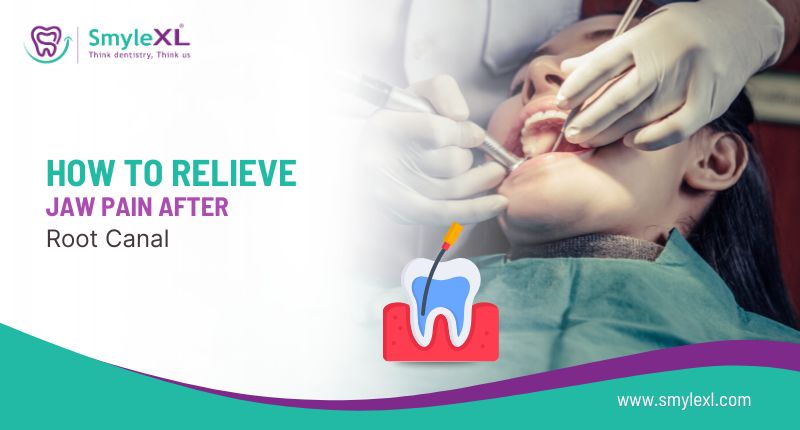

You finally did it—you survived a root canal. The procedure ended, your tooth got saved, and the dentist probably told you that you can now chew without fear of infection. But as you walk out of the clinic, a new question hits: “Why is my jaw hurting now?”
That dull ache or stiffness around the jaw after a root canal is more common than you might think. The good news is that it usually doesn’t last long, and with the right steps, you can ease the discomfort quickly. If you’re searching for jaw pain treatment after a root canal, you’re in the right place. Let’s explore why it happens and how you can find relief.
Table of Contents
ToggleWhy Does Jaw Pain Happen After a Root Canal?
When you go through a root canal treatment, your dentist doesn’t just treat the infected tooth—your jaw also gets involved in the process. Think about it: your mouth stays wide open, your muscles stay tense, and your joints bear the strain for an extended period. It’s like holding a heavy weight for too long; once you put it down, the muscles feel sore. That’s exactly how your jaw feels after a root canal treatment.
Here’s a deeper look at the common reasons behind the discomfort:
- Jaw muscle fatigue: Keeping your mouth open for 45 minutes to an hour can leave your jaw muscles feeling tired and achy, much like sore legs after a long run.
- Instrument pressure: Dental instruments rest inside the mouth for precision, but sometimes they add extra pressure on certain areas, which can leave tenderness.
- Inflammation response: The tissues around the treated tooth naturally respond to the procedure with mild swelling, which is your body’s way of healing, but it can create soreness near the jaw.
- Pre-existing jaw issues: If you already deal with TMJ (temporomandibular joint disorder) or have a history of jaw pain, the procedure may temporarily worsen your symptoms.
The good news is that this pain rarely signals a significant issue and is typically controllable and brief. Understanding the reason eases your mind and facilitates recovery management.
Post Care After Root Canal Treatment
Right after your root canal, small, practical steps can make a big difference in reducing jaw pain. Acting quickly prevents soreness from worsening and allows your jaw to heal faster.
- Apply a cold compress: Place an ice pack or a cold towel-wrapped pack of frozen peas on your cheek for 10–15 minutes. Cold therapy reduces swelling, numbs discomfort, and calms the muscles.
- Take prescribed pain relievers: Follow your dentist’s instructions carefully. Don’t wait until the pain becomes unbearable—taking medicine at the right intervals controls discomfort more effectively.
- Rest your jaw: Avoid heavy chewing, yawning widely, or unnecessary talking. Think of it as giving your jaw a “day off” after a tough workout.
- Stay hydrated: Drinking plenty of water keeps inflammation down and supports the body’s natural healing process. Hydration also helps prevent dryness and stiffness around the jaw.
These first-line measures usually bring noticeable relief within hours. Many patients feel a significant improvement by the next day simply by sticking to these basics.
Home Remedies for Jaw Pain Relief
If the soreness lingers for a couple of days, home care becomes essential. The right combination of simple remedies not only eases discomfort but also speeds up recovery. Patients at SmyleXL Dental Clinic often find that these methods provide the most relief:
- Warm compress therapy: After the first 24 hours, switch from cold packs to warm compresses. The heat improves blood circulation, relaxes tight jaw muscles, and eases stiffness that cold alone can’t address.
- Gentle jaw stretches: Move your jaw slowly from side to side or open and close it gently a few times a day. These stretches prevent stiffness from setting in and restore normal movement.
- Soft diet choices: Replace crunchy or chewy foods with soft options like oatmeal, smoothies, scrambled eggs, or mashed potatoes. A soft diet reduces jaw strain and helps you chew without pain.
- Quality sleep: Your body heals the fastest when you rest. Sleeping well not only restores energy but also reduces overall tension that can contribute to jaw soreness.
Think of this recovery phase like post-gym muscle care. Your jaw worked hard during the root canal, and now it needs rest, stretching, and the right “fuel” to bounce back.
Professional Jaw Pain Treatment Options
Sometimes, jaw pain sticks around longer than expected. If home remedies don’t provide enough relief, you should turn to your dentist for professional support. That’s where jaw pain treatment under medical supervision comes in.
Here are some options your dentist may recommend:
- Prescription medications: Stronger anti-inflammatory drugs or muscle relaxants can reduce swelling and pain more effectively than over-the-counter pills.
- Night guards: If teeth grinding (bruxism) contributes to jaw pain, your dentist may provide a custom night guard. This device reduces pressure on the jaw joint and prevents further discomfort.
- Physical therapy: Specialized exercises guided by a therapist can strengthen jaw muscles, improve mobility, and relieve long-term tension.
- Follow-up bite adjustments: Sometimes after a root canal, your bite may feel slightly uneven. Your dentist can adjust the treated tooth to balance your bite and reduce unnecessary stress on your jaw.
- Advanced TMJ therapy: For patients with ongoing TMJ disorders, dentists may recommend injections, specialized splints, or referral to a jaw specialist for advanced care.
Professional intervention ensures you don’t just manage the symptoms but also address the root cause. This way, you avoid turning a temporary soreness into a chronic issue.
How Long Does Jaw Pain Last?
Most patients notice improvement within a few days. Minor soreness may linger for a week, but severe or persistent pain isn’t typical. If the discomfort doesn’t ease or worsens, you should schedule a follow-up appointment. Dentists at SmyleXL Dental Clinic often reassure patients that healing timelines vary, but no one has to live with lasting pain.
Healing Should Be as Easy as Your Smile
So, how do you relieve jaw pain after a root canal? The answer is simple—combine home care with professional guidance. Cold and warm compresses, gentle stretches, and soft foods usually do the trick, but don’t hesitate to seek jaw pain treatment if the discomfort lingers.
At SmyleXL Dental Clinic, we believe recovery should be as smooth as your new, pain-free smile. Don’t let jaw pain steal the joy of a successful root canal treatment. Book your consultation today at our clinic and take the first step toward lasting comfort and confidence.
FAQs
- How common is jaw pain after a root canal treatment?
After receiving a root canal, jaw pain is somewhat typical. Because the jaw is open for a long time throughout the treatment, it frequently occurs. If you take good care of yourself and get enough sleep, the discomfort normally goes away in a few days.
- What is the best home remedy for jaw pain after a root canal?
The best home remedy combines cold compresses during the first day with warm compresses afterward. Pairing this with gentle jaw exercises and a soft diet usually speeds recovery. These remedies reduce muscle tension and swelling, helping you heal faster.
- When should I see a dentist for jaw pain treatment?
If the discomfort intensifies over time, lasts more than a week, or causes swelling or trouble opening your mouth, you should consult a dentist. Pain that doesn’t go away could be a sign of anything else. Promptly seeking care and an appropriate course of action avoids difficulties.
- Can jaw pain after a root canal affect chewing?
Yes, jaw pain can make chewing uncomfortable for a short period. That’s why dentists recommend eating soft foods until the soreness subsides. As healing progresses, chewing becomes easier and more comfortable again.
- Is jaw pain treatment different if I already have TMJ problems?
Yes, patients with TMJ issues may need additional care. Your dentist may suggest customized night guards, physical therapy, or specific medications. Tailored jaw pain treatment ensures the procedure doesn’t worsen existing conditions.