
You might think, “Do I really need to get my teeth professionally cleaned at the dentist? They look fine to me!”
This is a thought many people have, and honestly, it’s not a bad question. After all, if you’re brushing twice a day and flossing once in a while, shouldn’t that be enough? The truth is, even with the most disciplined brushing routine, plaque and tartar quietly build up in corners your toothbrush can’t reach. That’s where teeth cleaning by a dental professional comes in.
At SmyleXL Dental Clinic, we often meet patients who admit they postponed their cleaning visit for months—sometimes even years—because they thought it wasn’t urgent. But once they experience the fresh, squeaky-clean feeling of a professional session, the first thing they say is: “Why didn’t I do this sooner?”
Table of Contents
ToggleWhy Teeth Cleaning Is More Than Just a Cosmetic Step
A lot of people assume teeth cleaning is purely about making teeth look “Chauk gae na!” white. While that’s a nice bonus, the real value lies in your oral health.
Here’s what professional cleaning does that your toothbrush can’t:
- Removes tartar (hardened plaque) that no home routine can get rid of.
- Prevents gum disease, which can cause bleeding gums, bad breath, and even tooth loss.
- Detects early signs of cavities or oral issues before they get serious.
- Freshens your breath and restores natural shine.
Think of it like servicing your bike or car. Daily maintenance (brushing) is necessary, but every so often, you need a thorough check-up and polish by an expert.
So, How Often Do You Really Need Professional Cleaning?
Most dentists recommend getting your teeth professionally cleaned every six months. This is the sweet spot for keeping tartar at bay and catching small dental problems early.
However, not everyone’s oral health is the same. Some people may need cleaning more frequently, especially if they:
- Smoke or chew tobacco
- Have a history of gum disease.
- Consume a lot of tea, coffee, or colored beverages.
- Suffer from diabetes or other conditions that affect gum health.
- Notice consistent bad breath despite regular brushing.
For such cases, your dentist may suggest a routine dental checkup and cleaning every 3–4 months.
What Happens During Professional Teeth Cleaning?
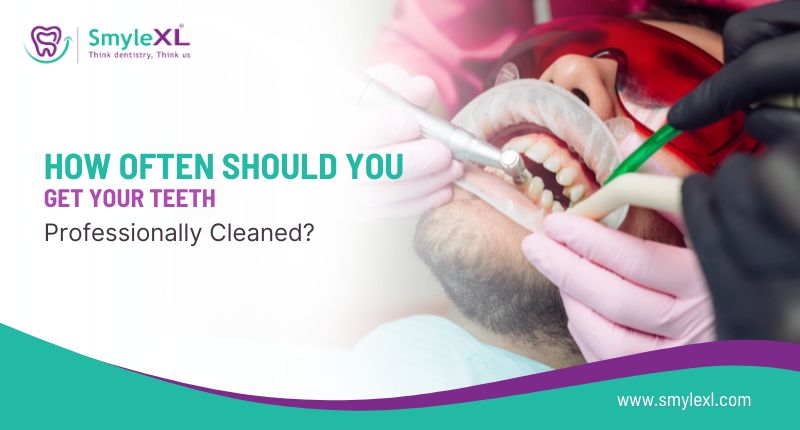
If you’ve never had it done, you might imagine loud machines and painful scraping. But modern dental cleaning is gentle, precise, and designed for comfort. Here’s a quick look at what happens:
- Examination – Your dentist checks for gum health, cavities, and plaque buildup.
- Scaling – Dedicated tools are used to remove tartar deposits above and below the gumline.
- Polishing – Teeth are polished to smooth the surface and reduce future plaque buildup.
- Fluoride (if required) – Sometimes a fluoride rinse is applied for added protection.
Most patients describe the process as refreshing rather than painful. In fact, many say it feels like a spa day for their teeth!
The Benefits of Professional Teeth Cleaning
Still wondering if it’s worth it? Here are some clear advantages:
- Healthier gums – No more bleeding when you floss.
- Brighter smile – Removes surface stains caused by tea, coffee, or food.
- Better breath – Gets rid of bacteria that cause bad odor.
- Long-term savings – Prevents expensive treatments like root canals or gum surgeries later.
- Overall wellness – Oral health is linked to heart health, diabetes control, and immunity.
- Lasting freshness – That “just-cleaned” feeling leaves your mouth lighter, fresher, and more comfortable for weeks.
In short, the benefits of professional teeth cleaning go far beyond just looks—they protect your health and wallet in the long run.
Common Myths About Teeth Cleaning
“It makes teeth loose.”
No, it doesn’t. Teeth only feel loose if gum disease has already weakened the bone. Cleaning actually helps save them.
“It makes teeth sensitive.”
Mild sensitivity may occur temporarily, but it usually fades in a day or two. Sensitivity is often a sign that your teeth need cleaning badly.
“Once a year is enough.”
For most people, yearly cleaning isn’t enough to prevent plaque buildup and gum disease. Twice a year is the gold standard.
Routine Dental Checkup and Cleaning: Why Both Matter
A dental cleaning isn’t just about polishing teeth—it includes a check-up that helps spot problems early. During your session, your dentist checks for:
- Small cavities
- Signs of oral cancer
- Gum health
- Bite alignment
Catching these early means easier, less costly treatment. Skipping check-ups can allow problems to silently progress until they become painful (and expensive!).
At-Home Care Between Cleanings
Even though professional cleaning is essential, your daily care keeps results lasting longer. Here are a few dentist-approved tips:
- Brush twice daily with a soft-bristle toothbrush.
- Floss or use an interdental brush once a day.
- Rinse with an alcohol-free mouthwash.
- Limit sticky, sugary foods that cling to teeth.
- Drink plenty of water to wash away food particles.
Frequently Asked Questions
Is teeth cleaning painful?
No, teeth cleaning is generally not painful. You may feel slight vibrations or pressure from the dental tools, but the process is gentle and comfortable. In fact, many patients describe the experience as refreshing rather than unpleasant.
How long does a professional cleaning take?
A typical professional cleaning session lasts about 30 to 45 minutes. If there is heavy tartar buildup or gum sensitivity, it might take a little longer, but it is still a quick and effective procedure.
Can I eat immediately after teeth cleaning?
Yes, you can eat right after your cleaning. However, if your dentist has applied a fluoride treatment, it is recommended to wait at least 30 minutes before eating or drinking for the best results.
Will teeth cleaning whiten my teeth?
Teeth cleaning removes stains caused by food, drinks, or habits like smoking, making your teeth appear brighter. However, it is not the same as a professional whitening treatment, which is required for more dramatic results.
How do I know if I need cleaning more than twice a year?
If you have bleeding gums, persistent bad breath, or a history of gum disease, your dentist may recommend cleanings every 3–4 months. People with diabetes or heavy tartar buildup also benefit from more frequent visits.
Can kids get professional teeth cleaning, too?
Yes, children should have regular cleanings to prevent cavities and maintain good oral hygiene. Kids who consume sweets often or struggle with brushing correctly benefit greatly from these sessions.
Your Journey to a Healthier Smile
Skipping dental cleanings might seem harmless, but in reality, it’s like skipping oil changes for your car—the problems pile up silently.
By scheduling a teeth cleaning every six months, you’re not just ensuring a fresh smile, but also protecting your gums, teeth, and overall health.
At SmyleXL Dental Clinic, our agenda isn’t just about cleaning your teeth—it’s about keeping you healthy, confident, and smiling brighter every day. With advanced tools and a caring team, we make sure every visit feels comfortable and stress-free.
So, don’t wait for pain or visible stains to rush to the dentist. Take the preventive step now. Schedule your teeth cleaning with SmyleXL Dental Clinic today—because your smile deserves nothing less than the best care.