
We live in a time where fixing things is easier than replacing them. Phones get repaired. Shoes get restored. Even vintage clothes come back in style.
The same idea applies to your teeth.
At SmyleXL Dental Clinic, we often meet patients who think a damaged tooth automatically means removal. But that’s not always true. Modern dentistry focuses on saving what you already have. Even when replacement becomes necessary, like getting a dental implant in Kothrud, the goal is still to protect your overall oral health and preserve natural structure as much as possible.
That’s where restorative dentistry comes in.
Let’s understand what it actually means, and why it matters more than most people realise.
Table of Contents
ToggleWhat Is Restorative Dentistry and How It Helps Save Natural Teeth?
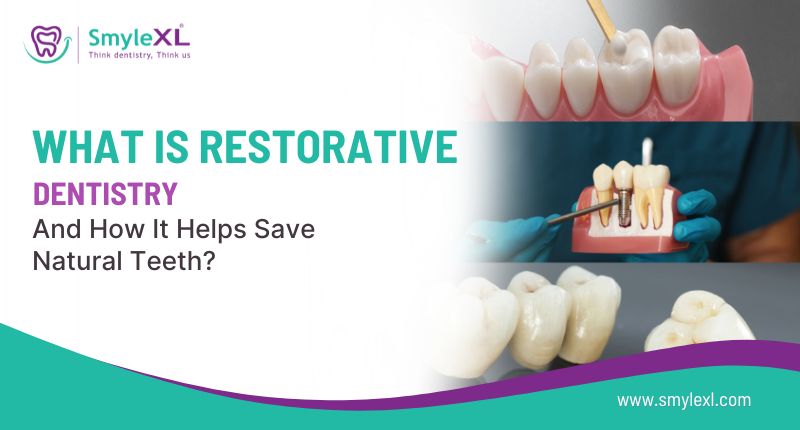
Restorative dentistry focuses on repairing and restoring damaged teeth. Instead of immediately extracting a tooth, the aim is to:
- Repair decay
- Strengthen weakened teeth
- Restore function
- Preserve natural structure
- Replace missing teeth responsibly
Think of it as damage control with precision.
Restorative treatments are designed not just to improve how your teeth look, but how they function, how you chew, speak, and maintain jaw health.
And when a tooth cannot be saved, options like a dental implant in Kothrud help restore stability while protecting surrounding teeth and bone.
Why Saving Natural Teeth Is Always the First Goal?
Your natural teeth are designed specifically for your mouth. Their roots stimulate the jawbone. Their shape fits perfectly into your bite.
When possible, dentists always try to preserve:
- Natural enamel
- Tooth roots
- Surrounding bone
- Bite alignment
Once a tooth is removed, the jawbone in that area begins to shrink. Adjacent teeth may shift. Bite balance changes.
Saving a tooth, even partially, helps maintain this natural harmony.
Restorative dentistry prioritises conservation before replacement.
Common Restorative Treatments
Restorative dentistry is not just one procedure. It includes several treatments depending on the level of damage.
Let’s break them down clearly.
1. Dental Fillings
When decay is caught early, removing the damaged portion and placing a filling can restore the tooth.
Fillings:
- Stop decay progression
- Restore shape
- Prevent further damage
- Maintain natural structure
This is one of the simplest forms of restorative dentistry.
Early detection means minimal intervention.
2. Dental Crowns
When a tooth is significantly weakened, but the root is healthy, a crown is placed over it.
Crowns:
- Protect cracked teeth
- Strengthen the weakened structure
- Restore chewing ability
- Improve appearance
A crown acts like a protective cap, preventing fractures and further decay.
Instead of removing the tooth, restorative dentistry reinforces it.
3. Root Canal Treatment
If decay reaches the inner pulp, infection can develop. In the past, extraction was common. Today, root canal treatment allows the tooth to remain in place.
The infected tissue is removed, the canals are cleaned, and the tooth is sealed.
This preserves:
- The natural root
- Jawbone stimulation
- Bite balance
Root canal treatment often prevents the need for extraction.
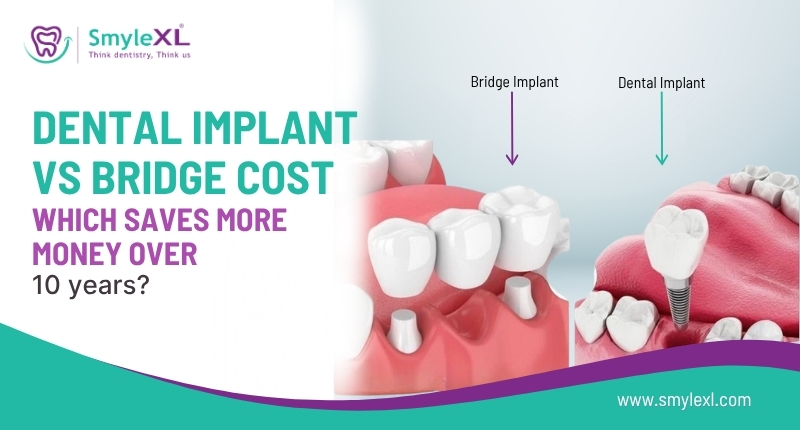
4. Dental Bridges
A bridge can fill the gap by anchoring to adjacent teeth.
While effective, bridges require reshaping neighbouring teeth. This is why dentists evaluate carefully before choosing this option.
The goal is always to maintain as much natural structure as possible.
5. Dental Implants
If a tooth cannot be saved, replacement becomes necessary. This is where implants play an important role.
A dental implant in Kothrud replaces the missing root with a titanium post placed into the jawbone. Over time, it integrates with the bone and supports a crown.
Unlike bridges, implants:
- Do not rely on neighbouring teeth
- Prevent bone loss
- Restore chewing strength
- Maintain facial structure
Even in replacement, restorative dentistry focuses on preserving overall oral health.
At SmyleXL Dental Clinic, we assess every case carefully before recommending implants. Preserving natural teeth always comes first. But when replacement is needed, it must be stable and long-lasting.
How Restorative Dentistry Prevents Bigger Problems?
Ignoring dental damage often leads to:
- Larger cavities
- Infections
- Tooth fractures
- Gum disease
- Bone loss
Restorative treatments intervene early.
A small filling today can prevent a root canal tomorrow.
A crown can prevent a fracture that might otherwise require extraction.
And if extraction becomes unavoidable, replacing the tooth promptly, possibly with a dental implant, prevents shifting and bone deterioration.
It’s about thinking long-term.
The Functional Benefits
Restorative dentistry is not just cosmetic.
It restores:
- Proper chewing efficiency
- Speech clarity
- Bite balance
- Jaw stability
When teeth are damaged or missing, chewing becomes uneven. This strains certain teeth and even jaw joints.
Over time, imbalance can cause:
- Headaches
- Jaw pain
- Tooth wear
- Cracks
Restorative care helps maintain harmony across your entire dental arch.
Prevention + Restoration = Long-Term Stability
Restorative dentistry works best when combined with preventive care.
Regular check-ups allow:
- Early detection
- Smaller restorations
- Lower treatment cost
- Less invasive procedures
At SmyleXL Dental Clinic, we emphasise that saving natural teeth begins with early intervention. Restorative dentistry is most effective when problems are addressed promptly.
Delaying treatment often leads to more complex procedures, including replacement options such as a dental implant when the tooth cannot be preserved.
Acting early changes outcomes.
When Should You See a Dentist?
Consider consultation if you notice:
- Tooth sensitivity
- Pain while chewing
- Visible cracks
- Dark spots on teeth
- Loose fillings
- Missing teeth
Early assessment may allow simple restoration instead of advanced treatment.
Dental health rarely deteriorates overnight. It progresses gradually. Regular evaluations keep you ahead.
FAQs
Is restorative dentistry painful?
Most restorative procedures are done under local anaesthesia, so you shouldn’t feel pain during treatment.
Can all damaged teeth be saved?
Not every damaged tooth can be preserved. It depends on how much healthy structure remains and whether the infection has spread. However, when detected early, many teeth can be successfully saved with fillings, crowns, or root canal treatment.
How long do restorations last?
The longevity of a restoration depends on the material used and your oral hygiene habits. Fillings can last several years, while crowns and implants often last much longer with regular check-ups and proper care.
Is a dental implant better than a bridge?
It depends on the individual case. Implants replace the tooth root and help maintain bone health without affecting nearby teeth. Bridges rely on surrounding teeth for support.
How do I know if I need restorative treatment?
Persistent discomfort, visible cracks, sensitivity while chewing, or missing teeth are signs that evaluation is needed. Even if there is no pain, regular dental visits help detect early damage before it worsens.
Protect What You Have
Your natural teeth are designed to last a lifetime, with proper care.
Restorative dentistry focuses on repairing, strengthening, and preserving them before problems escalate.
If you’re experiencing discomfort or have a missing tooth, consult SmyleXL Dental Clinic to explore your options. Whether it’s saving a weakened tooth or considering a dental implant in Kothrud, timely treatment protects both function and confidence.
Your smile doesn’t need replacing. It needs protecting.