
You finally got your cavity treated, and as you step out of the clinic, one thought immediately pops up:
“Can I eat now?”
It’s a very common question, and honestly, a very relatable one. Whether it’s your favorite snack or just a normal meal, knowing when you can eat after a filling is important to avoid discomfort or damage to the treatment.
If you’ve recently undergone or are planning a dental fillings treatment in Nallagandla, clinics like SmyleXL Dental Clinic ensure proper guidance so you know exactly when and how to return to normal eating safely.
What Happens During a Dental Filling?
Before we talk about eating, let’s quickly understand what happens during the procedure.
Table of Contents
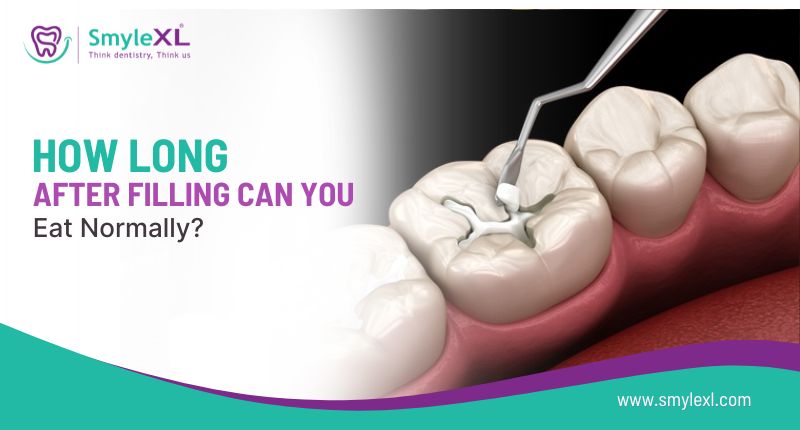
ToggleA dental filling involves:
- Removing the decayed portion of the tooth
- Cleaning the affected area
- Filling it with a restorative material like composite or amalgam
The goal is to restore the tooth’s strength and prevent further decay.
So, How Long Should You Wait Before Eating?
The answer depends on the type of filling material used.
Composite (Tooth-Colored) Fillings
If you’ve received a composite filling, you can usually eat almost immediately after the procedure.
This is because composite fillings are hardened instantly using a special curing light.
However, dentists still recommend waiting for a certain amount of time so as to avoid any complications.
Amalgam (Silver) Fillings
If you have an amalgam filling, you may need to wait longer.
Amalgam fillings take time to fully set, so it’s generally advised to wait a few hours (or even up to 24 hours for hard foods) before eating normally.
Soft foods can usually be consumed earlier.
What Should You Eat After a Filling?
Your first meal after a filling should be gentle and easy on your teeth, especially while the treated area is still adjusting. Choosing the right foods can help prevent discomfort and allow the filling to settle properly.
Recommended Foods:
- Soft foods like curd, khichdi, or mashed vegetables
- Soups and smoothies
- Rice, pasta, or soft bread
These options are easy to chew, put minimal pressure on the treated tooth, and reduce the risk of irritation while eating.
What Foods Should You Avoid?
After a filling, especially in the first 24 hours, it’s important to avoid foods that can disturb the treated area. Being cautious during this time helps protect the filling and supports proper healing.
Avoid:
- Hard foods (nuts, ice, hard candies)
- Sticky foods (chewing gum, caramel)
- Very hot or very cold foods (if sensitivity is present)
These can trigger sensitivity, cause discomfort, or even affect the filling if the tooth hasn’t fully settled or bonded properly.
Is It Normal to Feel Sensitivity?
Yes, mild sensitivity after a filling is completely normal.
You may feel sensitivity to:
- Hot or cold foods
- Sweet items
- Pressure while chewing
This usually settles within a few days. If the sensitivity persists for longer, it’s best to consult your dentist.
When Can You Eat Normally Again?
Most patients can return to their normal diet within 24 hours, especially with composite fillings.
However, it’s important to:
- Chew from the opposite side initially
- Avoid putting too much pressure on the treated tooth
- Follow your dentist’s instructions
Patients who undergo dental fillings treatment in Nallagandla at SmyleXL Dental Clinic are usually guided with personalized aftercare instructions for smooth recovery.
Tips for Faster Recovery After a Dental Filling
Here are a few simple tips to ensure your filling lasts longer and recovery is comfortable:
- Avoid chewing on the treated side for a day
- Maintain proper oral hygiene
- Use a soft-bristle toothbrush
- Follow dietary precautions
- Visit your dentist if discomfort continues
After Dental Filling Care: Dos & Don’ts
| ✅ Do’s | ❌ Don’ts |
| Wait for a while after the treatment | Don’t eat instantly after the treatment |
| Start with soft foods like curd, rice, or soup | Avoid hard foods like nuts, ice, or chips |
| Chew from the opposite side initially | Don’t put pressure on the treated tooth immediately |
| Maintain proper brushing and oral hygiene | Avoid sticky foods like chewing gum or caramel |
| Follow your dentist’s advice carefully | Don’t ignore prolonged pain or discomfort |
| Stay hydrated and eat light meals | Avoid extremely hot or cold foods if sensitive |
Pro Tip:
Think of your tooth like a “new repair”, give it a little time to settle before testing it with tough foods!
When Should You Contact Your Dentist?
Although dental fillings are safe and routine, you should consult your dentist if you experience:
- Severe or prolonged pain
- Difficulty biting
- Filling feels too high
- Cracks or damage in the filling
Early attention helps prevent complications.
Why Choosing the Right Dental Clinic Matters?
The quality of your dental filling and your comfort after treatment depend largely on the clinic you choose.
At SmyleXL Dental Clinic, advanced techniques and high-quality materials are used to ensure:
- Comfortable procedures
- Accurate fillings
- Long-lasting results
Patients receiving dental fillings treatment in Nallagandla from us, benefit from personalized care and expert guidance.
Eat Smart, Heal Better
Getting a dental filling doesn’t mean you have to stay hungry, but it does mean you need to be a little careful.
Understanding when to eat and what to avoid can make your recovery smooth and comfortable.
With modern dentistry, especially at clinics like SmyleXL Dental Clinic, dental fillings treatment in Nallagandla is quick, painless, and highly effective.
So next time you wonder, “Can I eat after a filling?”
The answer is yes… just eat smart, not fast.
FAQs
1. Can I eat immediately after a dental filling?
Yes, if you have a composite (tooth-coloured) filling, you can eat soon after the procedure. However, it’s advisable to not start eating immediately after the treatment and follow all the instructions given by the dentist.
2. How long should I avoid hard foods after a filling?
It’s recommended to avoid hard, crunchy, and sticky foods for at least 24 hours, especially if you have an amalgam filling. This helps the filling set properly and prevents any damage.
3. Why does my tooth feel sensitive after a filling?
Mild sensitivity after a filling is normal and can occur due to the tooth adjusting to the new material. It usually settles within a few days, but if it continues or worsens, it’s best to consult your dentist.
4. What should I do if my filling breaks or falls out while eating?
If your filling breaks or comes out, avoid chewing on that side and keep the area clean. You can rinse your mouth with warm salt water to prevent infection.
5. Is severe pain after a filling normal or an emergency?
Mild sensitivity is normal, but severe or persistent pain is not. If you experience sharp pain, swelling, or difficulty biting, it could indicate an issue like an improper bite or deeper infection. In such cases, you should contact your dentist right away for evaluation and relief.