
A lot of patients feel confused when they hear they may need a bone graft before getting implants. Most people walk in expecting a missing tooth replacement, only to discover that the jawbone underneath has also weakened over time. Naturally, the next question becomes about treatment cost and whether the extra procedure is really necessary.
At SmyleXL Dental Clinic, we often explain that the success of our dental implants in Viman Nagar, Pune, depends heavily on the condition of the jawbone supporting them. If there is significant bone shrinkage after tooth loss, placing an implant directly may not provide enough strength or long-term stability. In such cases, a dental bone graft helps rebuild support before the implant is placed.
For patients considering a dental implant, understanding why grafting is recommended often makes the treatment process feel far less overwhelming.
Table of Contents
ToggleWhy Bone Loss Happens After Losing a Tooth
The jawbone stays active because of chewing pressure from natural teeth. Once a tooth is lost, that area slowly stops receiving stimulation. Over time, the bone begins shrinking gradually. This causes:
- jawbone deterioration
- jawbone volume loss
- tooth extraction bone loss
- gradual weakening of the natural jaw structure
Some patients notice changes quickly, while others may not realize it until years later.
Common signs include:
| Possible Change | What Patients Notice |
| Reduced chewing strength | Difficulty chewing harder foods |
| Facial changes | Slightly sunken appearance |
| Bone shrinkage | Gaps around old extraction areas |
| Weak support | Difficulty placing implants directly |
This is one of the main reasons bone grafting for dental implants becomes necessary in many adults.
What Exactly Is a Dental Bone Graft?
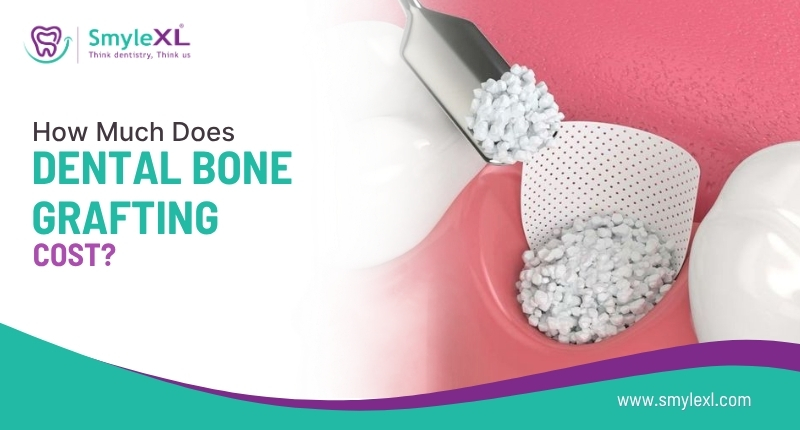
A dental bone graft is a procedure where bone material is placed into areas with insufficient jawbone. The goal is to help the body rebuild support naturally over time.
The graft acts like a framework that encourages:
- bone regeneration
- improved bone density for implants
- stronger implant anchoring support
- better long-term implant stability
Patients often assume grafting means replacing the entire jawbone, but most procedures are actually much smaller and localized.
At our clinic, we usually explain it as preparing healthy soil before planting a tree. Without enough support underneath, even well-planned dental implant treatment may struggle later.
Why Cost Varies So Much
One of the biggest reasons patients see different estimates online is because every grafting case is different.
The final cost of jawbone grafting usually depends on:
Size of Bone Loss
Small defects cost less than larger rebuilding procedures.
Type of Graft Material Used
Different graft materials influence pricing differently.
Number of Missing Teeth
A single missing tooth area differs from full mouth dental implants preparation.
Complexity of the Procedure
Some patients require sinus lifts or advanced jawbone grafting treatment before implants.
Healing Requirements
Additional follow-up visits and healing support may also affect cost.
This is why two patients needing a bone graft before dental implants may receive completely different treatment plans.
The Different Types of Bone Graft Materials
Many patients are surprised to learn there are several types of bone grafts used in dentistry today.
Autograft
An autograft uses bone taken from another part of the patient’s own body. It supports natural healing very effectively because the tissue already belongs to the patient.
Allograft
An allograft uses specially processed donor bone material. This option is commonly used in routine grafting procedures.
Xenograft
A xenograft is derived from animal-based material that has been processed for safe dental use. It mainly acts as a supportive scaffold for rebuilding lost bone.
Alloplastic Graft
An alloplastic Graft uses synthetic bone-like material created specifically for dental reconstruction.
Each material supports the bone integration process differently, depending on the patient’s condition and treatment goals.
Why Bone Grafting Helps Implant Success
Some patients ask whether they can skip grafting entirely and proceed directly with implants.
Sometimes that is possible.
But when there is weak jawbone support, severe jawbone volume loss, inadequate bone density for implants, or large areas of missing bone, placing implants immediately may increase the risk of failure.
A healthy graft improves:
- implant stability
- chewing strength restoration
- long-term support
- implant anchoring support
At SmyleXL Dental Clinic, we carefully evaluate every patient’s dental implant eligibility before planning surgery.
Does Every Implant Patient Need Bone Grafting?
No.
Some patients still have excellent bone support even years after losing a tooth. Others may experience rapid bone shrinkage after tooth loss within months.
Usually, grafting becomes more likely when:
- teeth were removed long ago
- dentures were worn for many years
- gum disease caused bone damage
- infections weakened the jawbone
Patients who visit us seeking dental implants in Viman Nagar, Pune, are often relieved to learn that modern imaging helps us measure bone availability very accurately before treatment begins.
The Healing Period After Bone Grafting
Healing is one of the most important parts of the process.
The graft healing period allows the body to slowly merge natural bone with the graft material. This gradual bone integration process creates stronger support for future implants.
Healing timelines vary depending on:
| Procedure Type | Approximate Healing Time |
| Small graft | 2 to 4 months |
| Moderate graft | 4 to 6 months |
| Larger reconstruction | 6 to 9 months |
Many patients ask, “How long after a bone graft can implants be placed?” The answer depends on how well the bone matures during healing.
What Patients Usually Feel After the Procedure
Most people expect severe pain, but modern grafting procedures are generally manageable.
Patients commonly experience:
- mild swelling
- slight soreness
- temporary chewing discomfort
- pressure around the graft area
The recovery after bone graft usually improves steadily within a few days.
Most patients resume normal routines fairly quickly with proper care instructions.
Is Bone Grafting Worth It?
For patients with insufficient jawbone, grafting often creates the foundation needed for stable implants later.
Without rebuilding lost bone, problems may include:
- poor implant support
- instability during chewing
- implant shifting
- reduced long-term success
A properly healed graft improves the chances of successful implant-supported tooth replacement for many years.
In many cases, it also helps maintain:
- facial bone support
- natural jaw structure
- chewing efficiency
- oral rehabilitation process outcomes
What Happens If Bone Loss Is Ignored?
This is where many patients unknowingly delay treatment too long.
When missing teeth are not replaced, gradual jawbone deterioration continues over time. This may affect neighboring teeth, facial support, bite balance, and chewing comfort.
Over several years, rebuilding lost bone may become more extensive and complicated.
This is one reason we often encourage earlier missing tooth restoration whenever possible.
Cost of Dental Bone Grafting in Viman Nagar, Pune
| Bone Graft Type | Estimated Cost Range in Viman Nagar, Pune | Common Use |
| Socket Preservation Graft | ₹5,000 to ₹15,000 | Done after tooth extraction to prevent bone shrinkage |
| Synthetic Bone Graft (Alloplast) | ₹8,000 to ₹25,000 | Common for mild to moderate bone support |
| Donor Bone Graft (Allograft) | ₹7,000 to ₹40,000 | Used when additional bone volume is needed |
| Animal-Based Graft (Xenograft) | ₹3,500 to ₹30,000 | Frequently used for implant site preparation |
| Natural Bone Graft (Autograft) | ₹20,000 to ₹50,000 | Used in complex cases requiring larger bone rebuilding |
The final cost usually depends on the amount of bone loss, the type of graft material used, and whether the procedure is being done along with dental implants. Smaller grafts after tooth extraction are generally more affordable, while advanced bone regeneration procedures for multiple implants may cost more.
Why Planning Matters More Than Speed
Patients often focus only on completing treatment quickly.
But a successful dental implant procedure planning involves much more than placing the implant itself.
We evaluate:
- bone quality
- bite pressure
- gum condition
- healing ability
- long-term implant stability
At SmyleXL Dental Clinic, we usually remind patients that strong implant support starts long before the implant is placed.
Emotional Concerns Patients Commonly Have
Many patients quietly worry about appearance changes after tooth loss.
Over time, missing teeth may contribute to:
- reduced facial bone support
- slight facial sinking
- weakened chewing confidence
- visible jaw changes
A properly planned bone restoration procedure often supports both oral function and appearance together.
For some patients, treatment is not only about chewing again. It is also about feeling comfortable smiling, speaking, and eating socially.
Understanding the Overall Cost
The final treatment cost usually depends on combining several factors together:
| Treatment Factor | May Influence Cost |
| Amount of bone loss | Yes |
| Graft material type | Yes |
| Number of implants planned | Yes |
| Additional procedures | Yes |
| Healing complexity | Yes |
This is why online estimates rarely reflect individual treatment accurately.
Patients often benefit more from understanding the full treatment sequence instead of comparing only procedure prices alone.
FAQs
How painful is a dental bone graft?
Most patients describe the procedure as manageable rather than severely painful. Mild swelling and soreness are common during the early recovery after bone graft period. Pain is usually controlled with medication and proper care.
Is a bone graft a big surgery?
Not always. Many dental bone graft procedures are relatively small and localized. Larger grafts for severe weak jawbone support may involve more healing time, but routine grafting is commonly performed in dental practice.
Does bone grow after a bone graft?
Yes. The body gradually builds new support around the graft material through the bone integration process. This healing helps improve bone density for implants and supports future implant placement.
Do gums heal over a bone graft?
Yes, gum tissue usually heals naturally over the grafted area. During the graft healing period, both the gums and the underlying bone recover together gradually.
When is it too late for bone grafting?
In most cases, bone grafting can still be performed even after years of tooth loss. However, severe jawbone deterioration may require more advanced bone restoration procedures before implants become possible.
Strong Implant Support Starts Below the Surface
Many people think replacing a tooth is only about filling the visible gap. But healthy support underneath matters just as much. When bone loss is ignored for too long, even a well-planned dental implant may struggle without proper foundation support.
At SmyleXL Dental Clinic, we often explain that successful treatment begins with preserving bone strength, maintaining chewing support, and protecting long-term oral health. Whether someone needs a small graft or a more detailed rebuilding procedure, careful planning usually creates better long-term comfort and stability.
With the right approach, bone grafting for dental implants can help restore both confidence and function while supporting healthy tooth replacement for years ahead.