
You probably think about calcium only when someone mentions bones.
Drink milk. Eat paneer. Take supplements. That’s usually where the conversation ends.
But your teeth? They quietly depend on calcium every single day, too.
Sometimes your mouth starts showing warning signs long before you realize something is wrong. Teeth become sensitive. Small cracks appear. Cavities return repeatedly. Your enamel starts looking thinner or slightly transparent near the edges.
And the strange part?
Many people ignore these signs because they assume:
“It’s just sensitivity.”
“Maybe I brushed too hard.”
“Probably age.”
At SmyleXL Dental Clinic in Chitradurga, we often notice that weakened teeth are not always caused only by poor brushing. In many cases, calcium imbalance, enamel weakening, and mineral loss in teeth also play a major role in long-term dental problems.
And when ignored for years, some patients eventually require larger procedures like full mouth restoration to rebuild damaged teeth properly.
So, how do you know your teeth may be lacking calcium?
Table of Contents
ToggleWhat is the Relationship Between Calcium and Teeth?
Your teeth contain minerals that help them stay strong, hard, and resistant to damage.
One of the most important minerals is calcium.
Calcium helps support:
- Tooth strength
- Enamel protection
- Jawbone stability
- Resistance against decay
Without enough calcium, your enamel gradually weakens, making teeth more vulnerable to:
- Cracks
- Sensitivity
- Wear
- Cavities
We often explain that calcium does not “sit” only inside bones, it plays a major role in maintaining healthy teeth, too.
Teeth Lose Minerals More Easily Than You Think
Every day, your teeth face:
- Acidic foods
- Sugary drinks
- Hot and cold temperatures
- Bacteria
- Grinding pressure
Normally, saliva helps protect and repair enamel naturally.
But when mineral loss in teeth becomes excessive, the enamel may weaken faster than the mouth can repair it.
This imbalance gradually affects overall oral health.
Calcium Deficiency Symptoms In Teeth
Your mouth often gives warning signs before severe damage happens.
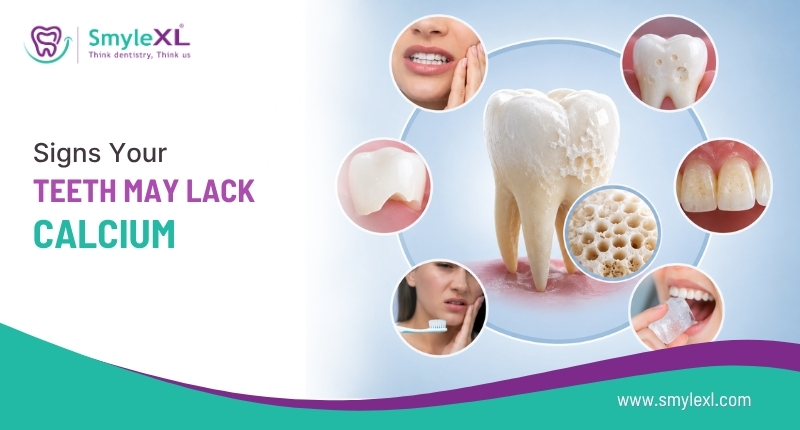
Some common calcium deficiency symptoms affecting teeth include:
- Tooth sensitivity
- Weak enamel
- Frequent cavities
- Chipping teeth
- White spots on enamel
- Rough tooth surfaces
You may especially notice discomfort while eating cold or sweet foods.
These symptoms are often connected to weakened enamel and mineral imbalance.
Signs You Are Calcium Deficient
1. Tooth Sensitivity Is Sometimes an Early Sign
One of the earliest causes of tooth sensitivity is enamel thinning.
When enamel weakens, the inner part of the tooth becomes more exposed to temperature changes.
This may create sudden discomfort while:
- Drinking cold water
- Eating ice cream
- Drinking hot tea
- Eating sweets
Persistent sensitivity is often evaluated carefully because it may indicate deeper enamel problems.
2. Tooth Enamel Erosion Happens Gradually
Enamel does not disappear overnight.
Tooth enamel erosion usually develops slowly over time due to:
- Acid exposure
- Poor diet
- Grinding
- Mineral deficiency
- Weak oral hygiene
As enamel becomes thinner, teeth may appear:
- More yellow
- More transparent
- More fragile
Once enamel is severely damaged, the tooth becomes much more vulnerable to long-term oral health risks.
3. Weak or Brittle Teeth Should Not Be Ignored
If your teeth chip easily while eating normal foods, it may indicate weakened structure.
Weak or brittle teeth often struggle to tolerate everyday chewing pressure properly.
You may notice:
- Tiny cracks
- Edge chipping
- Rough tooth surfaces
- Increased wear
This is one reason we always recommend early restorative dental care at SmyleXL Dental Clinic in Chitradurga, before damage worsens.
4. Frequent Cavities Can Sometimes Signal Mineral Problems
Many patients repeatedly get cavities despite brushing regularly.
This may happen because weakened enamel struggles to protect teeth effectively.
Poor mineral balance combined with bacteria increases cavity risk significantly.
That’s why tooth decay prevention involves more than brushing alone. Enamel strength also matters.
5. Grinding Can Make Weak Teeth Worse
People who grind or clench their teeth place extra pressure on already weakened enamel.
Over time, grinding may increase:
- Tooth wear
- Sensitivity
- Cracks
- Chipping
Some patients with severe enamel damage eventually require comprehensive tooth restoration because of long-term grinding combined with weak enamel.
If you are also struggling with any of these dental issues then visit us at SmyleXL Dental Clinic in Chitradurga and get the best and advanced care.
Can Calcium Deficiency Affect the Jawbone?
Yes.
Your jawbone also relies heavily on calcium and mineral balance.
When bone density weakens over time, teeth may lose support gradually.
This becomes especially important for patients considering dental implant treatment because healthy bone support is necessary for implant stability.
Why Calcium Deficiency Sometimes Leads to Larger Treatments?
When enamel weakening and decay go untreated for years, multiple teeth may eventually become damaged.
Patients may then require:
- Extensive dental repair
- Crowns
- Bridges
- Implants
- Comprehensive tooth restoration
Early intervention helps reduce the need for major full mouth restoration procedures later.
Dental Crowns Help Protect Weak Teeth
When enamel damage becomes significant, Dental Crowns & bridges may help strengthen and protect weakened teeth.
Crowns cover the damaged tooth structure and improve:
- Strength
- Bite support
- Appearance
- Long-term durability
At SmyleXL Dental Clinic, crowns are often included in restorative dental care plans for patients with severe wear or brittleness.
Remineralization Treatment Can Help Reverse Early Damage
In earlier stages, remineralization treatment may help strengthen weakened enamel naturally.
This treatment focuses on restoring minerals back into the tooth surface before severe damage occurs.
Fluoride therapies and calcium-rich oral care treatments may support this process.
However, severely damaged enamel usually cannot rebuild fully on its own.
Dental Implant Options for Severely Damaged Teeth
Sometimes teeth become too damaged to save.
In such cases, we recommend dental implant options in Chitradurga and help restore function and appearance more effectively.
Dental implant treatment replaces both:
- The missing tooth
- The root underneath
This helps support chewing function and jawbone stability in the long term.
Dental Treatment Planning Matters
Every patient’s teeth wear differently.
Some patients mainly experience sensitivity.
Others develop fractures, bite collapse, or severe decay.
This is why proper dental treatment planning is extremely important before recommending any major procedure.
At SmyleXL Dental Clinic in Chitradurga, treatment planning focuses on preserving natural teeth whenever possible before considering larger Full mouth restoration solutions.
Signs You Should Not Ignore
You should schedule a dental evaluation if you notice:
- Persistent sensitivity
- Chipping teeth
- Rough enamel
- Frequent cavities
- Cracks
- Yellowing teeth
- Weak chewing strength
These symptoms may indicate ongoing mineral imbalance or enamel damage.
Help Your Teeth Before it’s Too Late!
Your teeth constantly depend on minerals like calcium to stay strong, healthy, and resistant to damage.
When calcium imbalance and mineral loss in teeth continue for long periods, the mouth often starts showing warning signs through sensitivity, enamel erosion, chipping, and frequent decay.
From restorative dental care and remineralization treatment to dental implant treatment and comprehensive Full mouth restoration, modern dentistry now offers multiple ways to rebuild damaged smiles and protect long-term oral health.
At SmyleXL Dental Clinic, every plan of Full mouth restoration in Chitradurga is designed carefully to improve strength, comfort, chewing function, and long-term smile stability before dental problems become more serious in the future.
FAQs
1. Can calcium deficiency make teeth look yellow?
Yes, weakened or thinning enamel caused by calcium deficiency may make the yellow inner layer of the tooth more visible over time.
2. Why do my teeth chip easily even if I brush daily?
Frequent chipping may happen when enamel becomes weak or brittle due to mineral loss, grinding habits, or long-term calcium deficiency symptoms.
3. Can weak teeth become strong again naturally?
Early enamel weakening may improve with proper diet, remineralization treatment, and good oral care, but severe damage often requires professional restorative dental care.
4. Does calcium deficiency only affect children’s teeth?
No, adults can also develop enamel weakening, tooth sensitivity, and brittle teeth if calcium balance and oral health are not maintained properly.
5. When is Full mouth restoration needed?
Full mouth restoration may be recommended when multiple teeth are damaged due to decay, enamel erosion, fractures, missing teeth, or long-term oral health problems.
6. Can dental implants help if weak teeth cannot be saved?
Yes, modern dental implant treatment may help replace severely damaged or missing teeth while improving chewing ability, jaw support, and smile function in the long term.