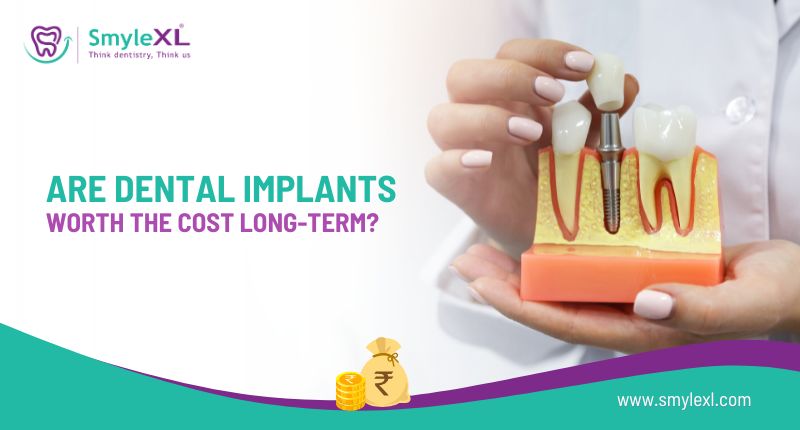

When people lose a tooth, the first thing that comes to mind is often the cost of a dental implant. At first glance, implants may seem like an expensive treatment compared to dentures or bridges. However, if you take a step back and consider long-term comfort, function, and durability, the picture begins to change. The purpose of this article is to unpack whether dental implants are really worth their price, explore alternatives, and help you make an informed choice about your oral health.
At SmyleXL Dental Clinic, patients often ask us, “Is it really worth investing in implants?” This question is understandable because dental care is not just about fixing a missing tooth; it’s about restoring confidence, comfort, and long-term well-being.
Table of Contents
ToggleWhy Missing Teeth Are More Serious Than You Think
Beyond Looks: The Hidden Impact of Missing Teeth
Most people think a missing tooth only affects appearance. While it certainly changes the way your smile looks, the impact is much deeper. A lost tooth can alter the way you chew, affect your speech, and even cause surrounding teeth to shift over time. This shifting creates gaps, making oral hygiene more challenging, and can even lead to gum problems.
Over the years, untreated tooth loss may also lead to jawbone shrinkage. When the bone does not get stimulation from a tooth root, it begins to deteriorate. This can lead to changes in facial structure, such as a sunken look around the mouth and cheeks. The emotional toll is another layer, smiling less, avoiding social gatherings, or feeling self-conscious while speaking in public.
Traditional Solutions: Dentures and Bridges
Before implants became widely used, dentures and bridges were the primary solutions. While they solve some functional problems, they also come with limitations. Dentures can feel loose and uncomfortable, often necessitating the use of adhesives and regular adjustments. Bridges, though more stable, depend on grinding down healthy adjacent teeth, which can compromise their strength over time.
While these options may seem more affordable initially, their ongoing maintenance and replacement costs often make them more expensive in the long run.
At SmyleXL Dental Clinic, many patients who started with dentures eventually transition to implants, saying they wish they had chosen the permanent solution sooner.
Possible Solutions: Why Dental Implants Stand Out
What Makes Implants Different
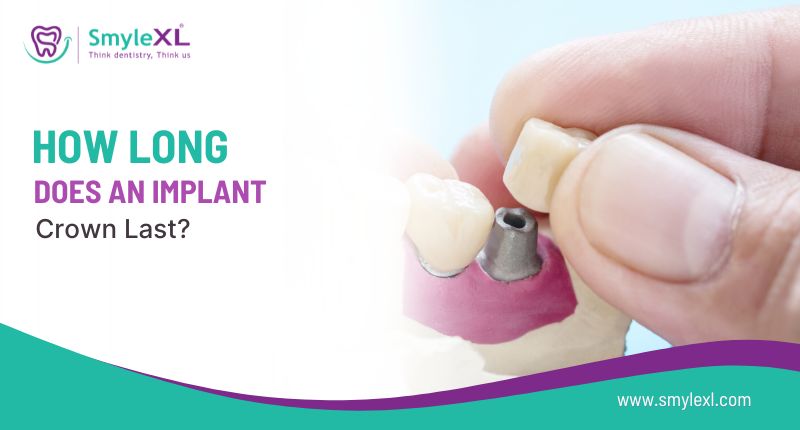
Dental implants act like artificial roots. A titanium post is placed in the jawbone, which integrates naturally through a process called osseointegration. This creates a solid foundation for a crown that looks and feels like a real tooth.
Unlike dentures, implants don’t slip or cause discomfort. Unlike bridges, they don’t rely on other teeth for support. Essentially, implants mimic natural teeth in both appearance and function.
Durability and Longevity
One of the biggest arguments in favor of implants is their longevity. While dentures may need replacement every 5–8 years and bridges every 10–15 years, implants can last a lifetime with proper care and maintenance. The crown might require replacement after 15–20 years, but the implant post itself is built to last.
This is where the concept of long-term investment comes in. While the dental implant cost might feel steep initially, when you calculate the lifetime value, implants often turn out to be more cost-effective than repeated denture adjustments or bridge replacements.
Comfort and Lifestyle Benefits
Imagine biting into an apple, laughing freely, or speaking confidently without worrying about dentures slipping. Implants give back that freedom. They feel natural, require no special maintenance beyond brushing and flossing, and blend seamlessly with your smile.
Recommendations: Is the Cost Really Worth It?
Breaking Down the Dental Implant Cost
The dental implant price varies based on location, clinic expertise, the type of implant used, and whether additional procedures, such as bone grafting, are required. While the upfront cost can range higher than other tooth replacement options, the breakdown makes more sense when you consider the following factors:
- Durability: Implants last significantly longer than dentures or bridges.
- Health Benefits: They prevent bone loss and protect surrounding teeth.
- Natural Feel: They look and function just like natural teeth.
- Low Maintenance: Simple oral hygiene is enough to maintain them.
Think of it as buying quality shoes versus cheap ones. The initial cost is higher, but the longevity and comfort make it the smarter purchase.
Professional Recommendation
If you are considering tooth replacement, implants should be your first option unless health conditions or bone density issues make them unsuitable. In such cases, your dentist may recommend alternatives.
At SmyleXL Dental Clinic, we offer detailed consultations where we explain the implant process, the expected costs, and possible payment plans. This way, patients are empowered to make decisions that suit both their oral health and budget.
Are dental implants worth the cost long-term?
The answer is a confident yes for most patients. While the dental implant cost may seem high at first, its durability, comfort, and health benefits make it one of the most valuable investments in modern dentistry. Unlike temporary solutions, implants protect your oral health, preserve your facial structure, and restore natural function for years to come.
If you’re ready to explore dental implants and want a trusted team to guide you, schedule a consultation at SmyleXL Dental Clinic today. Don’t let missing teeth hold you back; invest in a smile that lasts a lifetime.
Frequently Asked Questions
- How long do dental implants last?
Dental implants are designed to be a permanent solution for missing teeth. With proper brushing, flossing, and routine dental check-ups, the titanium post can last a lifetime because it fuses naturally with the jawbone. The crown that sits on top may wear down over time and usually needs replacement after 15–20 years, depending on lifestyle habits. This means implants offer unmatched durability compared to dentures or bridges.
- Is the implant procedure painful?
Many patients worry about pain, but dental implant surgery is surprisingly comfortable. The procedure is done under local anesthesia, so you don’t feel pain while the implant is being placed. Afterward, you may experience mild swelling or soreness, but this is typically manageable with prescribed medications and subsides in a few days. Most patients describe the recovery as easier than they expected.
- Why are implants more expensive than dentures?
The higher cost of implants is due to the advanced technology, surgical expertise, and high-quality biocompatible materials used in their production. Unlike dentures, implants are placed directly into the jawbone, requiring precision and sometimes additional steps, such as bone grafting. While the upfront price is higher, implants save money in the long term since they don’t need frequent replacements or adhesives. Patients often see them as an investment in both health and confidence.
- Can everyone get dental implants?
Most healthy adults with good oral hygiene are eligible for dental implants, but certain factors require evaluation. Adequate bone density is crucial for securing the implant, and conditions such as uncontrolled diabetes or severe gum disease may require treatment before placement. In some cases, procedures like bone grafting can prepare the mouth for successful implantation. Your dentist will always assess your medical history and oral health to create a safe, personalized plan.