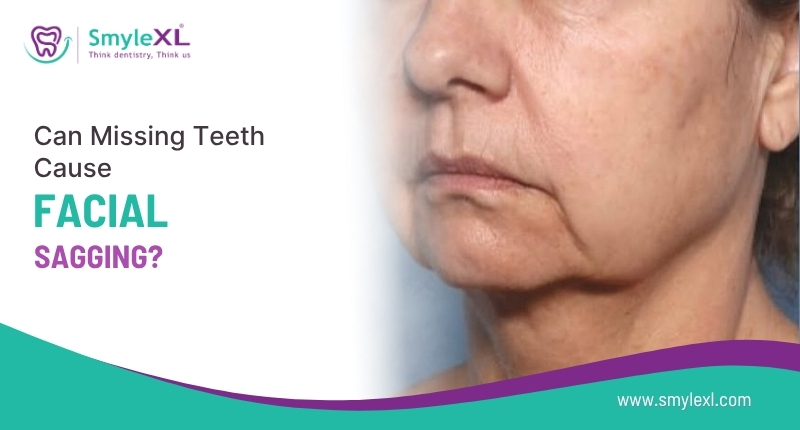

Most people expect missing teeth to affect chewing or appearance. What surprises many patients is how much tooth loss can gradually change the shape of the face itself.
At SmyleXL Dental Clinic in Kothrud, Pune, we often meet patients who say things like, “My cheeks suddenly look sunken,” or “My face looks older than before.” In many cases, the issue is not only aging. Missing teeth can slowly reduce the support that keeps the lower face balanced and structured.
This is one reason why many patients exploring dental implant options also ask about facial appearance, jaw support, and long-term changes after tooth loss. For patients considering a dental implant in Kothrud, Pune, understanding this connection early helps prevent more complex oral and facial changes later.
Table of Contents
ToggleTeeth Support the Face More Than People Realize
Teeth are connected directly to the jawbone underneath them. Every time we chew, bite, or speak, the tooth roots stimulate the jawbone and help maintain its strength.
When a tooth is lost, that stimulation slowly stops. Over time, the surrounding bone begins shrinking. This process is called bone resorption, and it is one of the major reasons behind gradual facial sagging after tooth loss.
Many patients first notice subtle changes like reduced cheek support, mild sinking around the lips, or a slightly tired facial appearance. Because these changes happen slowly, they are often mistaken for normal aging.
At SmyleXL Dental Clinic in Kothrud, Pune, we often explain that untreated tooth loss affects both function and facial support.
Why the Face Starts Looking Different
The jawbone acts like an internal framework supporting the cheeks, lips, and lower face. Once missing teeth remain untreated for long periods, jawbone shrinkage starts affecting the outer appearance too.
The cheeks may begin losing support, the lips can appear thinner, and the lower face may start looking shorter. Some patients develop a visible sunken face appearance or notice hollow cheeks from missing teeth, even if they are otherwise healthy.
These gradual changes may also lead to:
| Changes After Tooth Loss | What Patients Notice |
| Bone loss | Reduced facial support |
| Missing back teeth | Bite imbalance |
| Weak jaw support | Facial volume loss |
| Teeth shifting | Changes in smile shape |
| Long-term gaps | Premature facial aging |
Patients looking into missing teeth replacement are often surprised by how strongly the teeth and facial structure are connected.
Tooth Loss Affects More Than Appearance
The effects are not only cosmetic.
When teeth are missing, chewing pressure becomes uneven. The remaining teeth start handling more force than they were designed for. Over time, this may contribute to jaw strain, shifting teeth, and visible changes in facial structure.
Some patients begin chewing mostly from one side because eating feels uncomfortable. Others avoid harder foods completely. Gradually, the face adapts to reduced support and function.
Long-term missing teeth may contribute to:
- weakened facial muscles
- facial volume loss
- bite imbalance
- reduced jaw support
- a slightly collapsed lower face
This is why proper tooth loss solution planning focuses on both appearance and chewing function together.
The Connection Between Bone Loss and Facial Sagging
A common question patients ask is why facial changes happen even if only one or two teeth are missing.
The reason is simple. Bone depends on stimulation to stay healthy. Once the tooth root disappears, the body slowly starts removing unused bone tissue.
Over time, patients may notice:
- more wrinkles near the mouth
- reduced cheek fullness
- softer jawline definition
- a collapsed bite appearance
- visible premature facial aging
These changes usually become more noticeable when multiple teeth remain missing for several years.
At SmyleXL Dental Clinic, many patients exploring dental implant in Kothrud, Pune, come initially for chewing problems but later realize how much tooth loss has affected their facial support too.
Why Dentures Alone May Not Fully Prevent Facial Changes
Dentures improve appearance and chewing to some extent, but traditional removable dentures sit on top of the gums rather than replacing the natural roots underneath.
Because of this, the jawbone may still continue shrinking slowly over time.
Patients wearing dentures for many years sometimes notice loose-fitting dentures, reduced jaw support, and gradual facial flattening. This is one reason many people now explore full mouth dental implants or implant-supported solutions for longer-term stability.
Unlike removable dentures, implants help support the bone underneath more effectively.
How A Dental Implant Helps Maintain Facial Support
Unlike temporary tooth replacement, a dental implant replaces both the visible tooth and the root underneath the gums.
The implant integrates with the jawbone and helps maintain stimulation during chewing. This is one reason implants are often recommended not only for replacing missing teeth, but also for preserving facial structure.
A proper tooth root replacement procedure may help:
- improve chewing balance
- reduce ongoing bone loss
- support the lips and cheeks
- improve bite stability
- help in restoring natural face shape
For many patients, the improvement feels functional as well as cosmetic.
Facial Changes Usually Happen Gradually
One reason patients delay their implant treatment is that these changes happen very slowly.
A person may not notice daily differences, but over several years, they may begin seeing:
- deeper smile lines
- flatter cheeks
- reduced lower face support
- a narrower smile appearance
- visible facial sagging
The longer missing teeth remain untreated, the more difficult restoring lost support may become later.
This is why early multiple tooth replacement often gives better long-term results.
Modern Implant Treatment Feels More Comfortable Today
Many people still associate implants with major surgery and long recovery periods. In reality, modern painless implant surgery techniques are far more comfortable than most patients expect.
Digital planning, local anesthesia, and guided placement methods help improve precision and recovery significantly. Patients undergoing painless dental implant treatment often resume normal routines much sooner than anticipated.
At SmyleXL Dental Clinic, planning usually focuses on:
| Treatment Focus | Why It Matters |
| Bone quality | Supports implant stability |
| Bite balance | Prevents uneven pressure |
| Facial support | Maintains natural appearance |
| Crown placement | Restores comfortable chewing |
| Long-term stability | Protects future oral health |
Every patient’s jaw structure and facial changes are different, which is why careful planning matters.
The Goal Is Not Just Teeth Replacement
Patients sometimes think implants are only about filling empty spaces. But treatment often involves much more than that.
A proper smile restoration with implants also focuses on maintaining facial balance, improving chewing comfort, and restoring confidence while speaking or smiling.
Many patients who undergo implant facial restoration notice improvements in:
- chewing strength
- facial support
- smile balance
- speech clarity
- overall comfort
The emotional improvement is often just as noticeable as the physical changes.
Confidence Often Changes Along With Appearance
Tooth loss affects people emotionally in different ways. Some stop smiling in photographs. Others avoid speaking openly or feel uncomfortable eating socially.
Over time, appearance changes and chewing problems together may begin affecting confidence.
After proper missing teeth replacement, patients often describe feeling more comfortable socially again because they regain:
- clearer speech
- better facial balance
- improved chewing comfort
- stronger smile confidence
- a more natural appearance
This improvement in confidence after tooth replacement is one of the most common things patients mention after their implant treatment.
FAQs
How do I keep my face from sinking in with dentures?
Traditional dentures may improve appearance temporarily, but they may not completely stop jawbone shrinkage over time. Implant-supported options usually provide better long-term facial support and chewing stability.
Do dentures restore face shape?
Dentures help support the lips and cheeks, but they do not replace natural tooth roots underneath. Because of this, gradual bone resorption may still continue over time.
How to fix sunken face after tooth extraction?
The treatment depends on the amount of bone and facial support lost. Procedures like Full mouth dental implants and proper missing teeth replacement often help improve facial balance significantly.
What age do people get sunken cheeks?
A sunken face can happen at different ages depending on tooth loss, bone health, and facial structure. Missing teeth may speed up premature facial aging even in younger adults.
What vitamins help a sunken face?
Nutrition supports skin and muscle health, but vitamins alone cannot replace lost jawbone support caused by missing teeth. Proper dental treatment is usually needed when facial changes are linked to tooth loss.
Replacing Teeth Early Helps Protect Facial Support
Missing teeth quietly affect much more than chewing alone. Over time, reduced bone support and gradual facial changes may alter the way a person looks, eats, and feels about their appearance.
At SmyleXL Dental Clinic, we often remind patients that early missing teeth replacement with a dental implant is not only about appearance. Preserving jaw support, maintaining facial balance, and protecting long-term oral health are equally important.
With properly planned smile restoration with implants, many patients are able to maintain both function and natural facial support comfortably for years ahead.