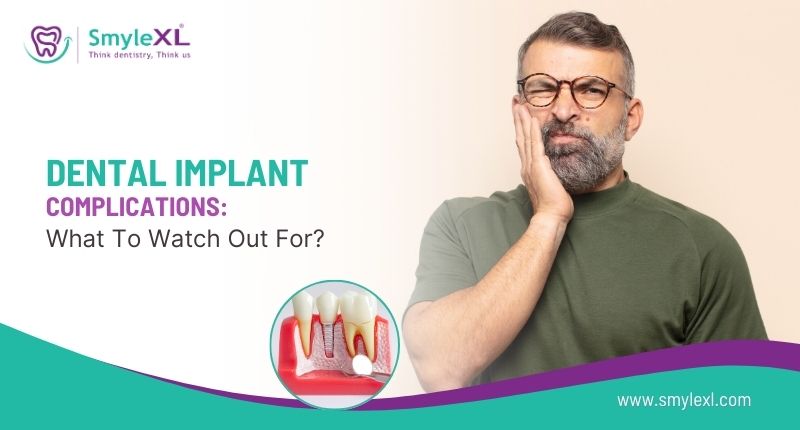

Dental implants have transformed modern dentistry, giving people a reliable option to replace missing teeth with something that looks, feels, and functions like the real thing. Unlike removable dentures or bridges, implants become part of your jawbone, offering stability and long-term benefits. It’s no surprise they are often called the “gold standard” of tooth replacement.
However, just like any medical procedure, dental implants come with risks. While the success rate is impressively high, over 95% in many studies, complications can still occur. The key to having a successful experience is knowing what to look out for, being aware of the early warning signs, and choosing a trusted clinic for care.
In this blog, we’ll walk you through the common complications associated with implants, why they happen, and how to prevent them. And if you’re considering dental implant treatment, you’ll also discover what steps ensure the best results. At SmyleXL, care goes beyond the procedure: with expert guidance, safe methods, and personal attention that make patients feel at ease throughout their journey.
Table of Contents
ToggleWhy Complications Happen
Before diving into specific issues, it’s important to understand why complications arise in the first place. Most implants work beautifully when placed correctly and maintained properly. But sometimes, factors such as poor oral hygiene, underlying health conditions, smoking, or improper placement can interfere with healing.
Dental implants require your bone and gum tissue to accept and support the artificial root. If something disrupts this process, like infection, low bone density, or excessive pressure, the implant may fail. Recognizing the cause early makes treatment much easier and prevents bigger problems later.
Early Complications to Watch Out For
1. Infection at the Implant Site
Infections can occur soon after the implant is placed, particularly if bacteria enter the surgical site. Symptoms include swelling, redness, throbbing pain, or pus discharge. While antibiotics can help, in severe cases, the implant may need to be removed and reinserted later. This is why maintaining strict hygiene and following your dentist’s aftercare instructions are so important.
2. Nerve Damage
If an implant is positioned too close to a nerve, especially in the lower jaw, it may cause tingling, numbness, or shooting pain in the lips, chin, or gums. Though rare, nerve damage can be unsettling. Most dentists use digital imaging to carefully plan placement carefully, thus significantly reducing the risk.
3. Excessive Bleeding
Some bleeding is expected after surgery, but if it continues for too long, it may indicate a complication. Excessive bleeding could result from trauma during surgery or underlying clotting issues. Applying pressure and contacting your dentist right away ensures it’s managed quickly.
Long-Term Complications
1. Peri-Implantitis
This is one of the most common long-term complications. Peri-implantitis is an infection of the gum and bone around the implant, similar to gum disease. If untreated, it can lead to bone loss and implant failure. Regular dental visits and professional cleanings are essential to catch it early.
2. Implant Loosening
An implant should feel as secure as a natural tooth. If it begins to wobble or feel loose, it usually means the bone didn’t fuse properly with the implant, or too much pressure was placed on it. In such cases, your dentist may recommend removing it and letting the bone heal before trying again.
3. Sinus Problems
When implants are placed in the upper jaw, especially near the back teeth, they may protrude into the sinus cavity if not planned correctly. This can cause sinus pain, infections, or breathing difficulties. A skilled dentist will perform a sinus lift procedure if necessary to create enough space before placing the implant.
4. Bone Loss Over Time
For implants to stay strong, the surrounding bone must remain healthy. Conditions like osteoporosis, gum disease, or poor oral care can cause gradual bone loss. When detected early, bone grafting can restore strength and prevent the implant from failing.
Who Is More at Risk?
While most people are good candidates for implants, certain factors increase the risk of complications:
- Smokers – Nicotine reduces blood flow, making it harder for tissues to heal.
- Diabetic patients – Poorly controlled diabetes slows healing and raises infection risk.
- Patients with gum disease – Unhealthy gums can’t support implants effectively.
- People with low bone density – Without enough bone, implants lack stability.
If any of these apply to you, it doesn’t mean implants aren’t possible. It just means your dentist will take extra precautions to ensure a safe and successful outcome.
How to Prevent Implant Complications
Choose the Right Dentist
The success of dental implant treatment depends heavily on your dentist’s skill and planning. Clinics that use digital imaging, 3D scans, and advanced surgical techniques can dramatically lower risks. At SmyleXL Clinic, our experienced professionals ensure precision and safety to reduce the risk of implant failure.
Follow Post-Operative Instructions
Your dentist will give you detailed aftercare steps, such as avoiding certain foods, not smoking, and cleaning the area gently. Following these instructions is one of the easiest ways to prevent infection and support healing.
Maintain Excellent Oral Hygiene
Brush twice daily, floss regularly, and use recommended mouth rinses. Implants don’t decay, but the surrounding gums and bone are still vulnerable. Healthy gums equal a healthy implant.
Attend Regular Checkups
Even if you feel fine, routine checkups allow your dentist to spot early warning signs before they turn into bigger issues. Professional cleanings also keep your implant site free from bacteria and plaque buildup.
What to Do If Something Feels Wrong
The biggest mistake patients make is ignoring symptoms. If you notice persistent pain, swelling, bleeding, or loosening, contact your dentist immediately. Many issues are minor if caught early, but become serious when left untreated. Remember, implants are designed to last decades, sometimes even a lifetime, but only if complications are managed promptly.
Frequently Asked Questions
- Are dental implant complications common?
Complications are relatively rare, especially when a skilled dentist does the procedure. Most implants heal smoothly and remain stable for years. However, being aware of potential risks allows you to take early action if something feels unusual, which is the best way to protect your investment.
- Can dental implant pain mean failure?
Not always. Mild discomfort and sensitivity are common in the early healing stages, but sharp or persistent pain could signal infection, nerve irritation, or improper placement. Your dentist will examine the site, take an X-ray if needed, and decide whether it’s a temporary issue or something that requires further treatment.
- How long do implants usually last?
With proper care, implants can last 20 years or more, often for life. Their longevity depends on factors like oral hygiene, overall health, and avoiding habits such as smoking or teeth grinding. Regular dental visits are also critical to maintaining their strength and stability.
- Can an implant be replaced if it fails?
Yes. If an implant fails due to infection, bone loss, or improper integration, it can usually be removed and replaced after healing. Sometimes, bone grafting is performed to prepare the site for a stronger foundation. With careful planning, the second attempt often succeeds.
- How do I know if I’m a good candidate for implants?
Most people with healthy gums and sufficient jawbone qualify for implants. If you have health conditions such as diabetes or low bone density, your dentist may suggest preparatory treatments like bone grafting or sinus lifts. A detailed evaluation ensures that the treatment plan is safe and customized for your needs.
Confidence in Every Smile
Dental implants are one of the most reliable and rewarding solutions for missing teeth. While complications can occur, they are uncommon and usually preventable with the right care. By choosing the right dentist, following aftercare instructions, and staying committed to oral hygiene, you give your implants the best chance of lasting a lifetime.
If you’re considering dental implant treatment, make sure you’re in the hands of professionals who prioritize your safety and comfort. For advanced care and lasting results, Visit SmyleXL Clinic, where every step of the process is handled with precision and compassion. With the right support, your implant journey can be smooth, successful, and life-changing.