
Dental treatments have come a long way, and one of the biggest game-changers in recent years is the use of biocompatible materials. Gone are the days when metal fillings and traditional materials were the only options. Now, dentistry is moving towards safer, more natural solutions that work harmoniously with the human body. Whether you’re someone with metal allergies, a fan of holistic healthcare, or just curious about the latest advancements, biocompatible materials are reshaping modern dentistry in ways you might not expect.
Table of Contents
ToggleWhat Are Biocompatible Materials in Dentistry?
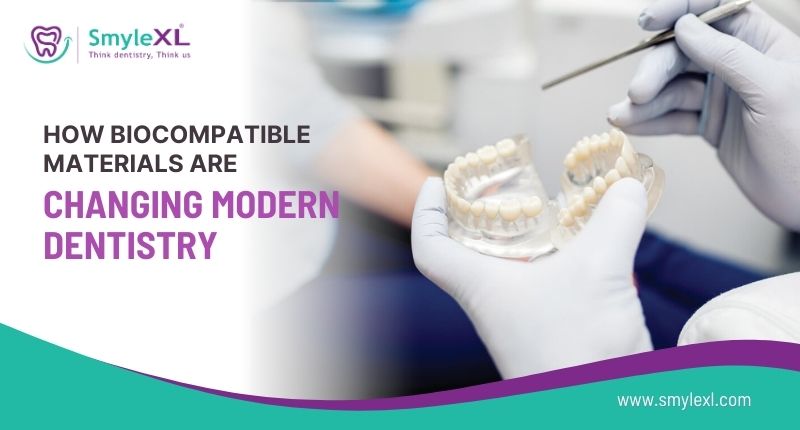
Biocompatible materials are substances that work well with the body without causing allergic reactions, irritation, or long-term health concerns. These materials mimic natural tooth structures while being durable and non-toxic. They are commonly used in:
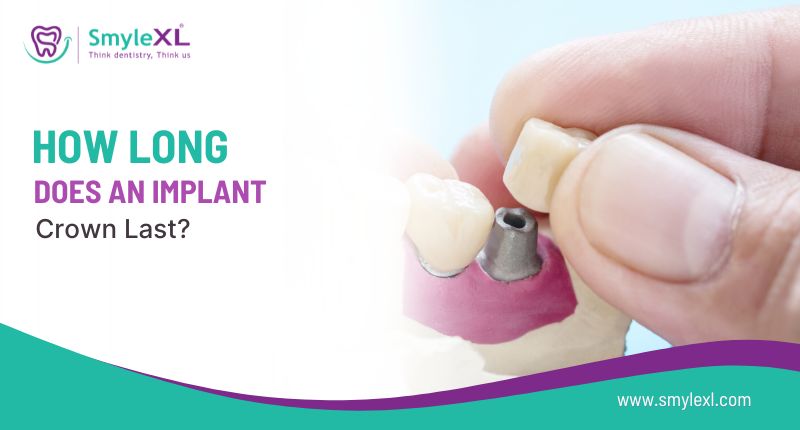
- Dental implants – Metal-free zirconia implants are replacing traditional titanium.
- Fillings and crowns – Tooth-colored, BPA-free composites are now the preferred choice.
- Bridges and dentures – Flexible, lightweight materials provide comfort and durability.
- Orthodontics – Clear aligners made from medical-grade plastics are a safe alternative to metal braces.
Why Are Biocompatible Materials Gaining Popularity?
People are becoming more aware of what goes into their bodies, and dentistry is no exception. Here’s why biocompatible materials are making waves:
1. Safe for Metal-Sensitive Individuals
Some people experience allergic reactions or discomfort from metal fillings or implants. Biocompatible options eliminate this concern, making treatments accessible to everyone.
2. Long-Term Health Benefits
Traditional dental materials can sometimes release trace elements into the body over time. Biocompatible materials, however, are non-toxic and minimize the risk of adverse reactions.
3. Better Aesthetic Appeal
Let’s be honest, nobody wants a metallic glint in their smile. Biocompatible materials blend naturally with teeth, making them a popular choice for those who want both function and beauty.
4. Stronger and More Durable
Contrary to popular belief, going metal-free doesn’t mean compromising on strength. Zirconia implants, for instance, are just as durable as titanium while being more compatible with the jawbone.
5. A Step Towards Holistic Dentistry
Holistic health advocates emphasize treatments that work with the body rather than against it. Biocompatible dentistry aligns with this philosophy, offering a safer, more natural approach.
The Role of Biocompatible Materials in Future Dental Treatments
With continuous advancements in dental technology, biocompatible materials are becoming more refined and widely accepted. Researchers are exploring materials that promote natural tooth regeneration, reducing the need for artificial replacements altogether. If you visit a dental clinic in Sinhagad Road, you’ll likely find cutting-edge treatments incorporating these materials, ensuring patients get the safest and most effective care available.
Is It Time to Switch to Biocompatible Dentistry?
If you’re considering dental work and are concerned about the materials being used, it’s always a good idea to ask your dentist about biocompatible alternatives. Whether you need a filling, crown, or even a dental implant, opting for safer materials can give you peace of mind and long-term health benefits.
Dentistry isn’t just about fixing teeth anymore; it’s about doing it in a way that keeps the whole body healthy. With biocompatible materials becoming the new standard, the future of dentistry looks safer, more effective, and definitely more natural.