

When missing teeth begin to affect your smile, your ability to enjoy food, or even your confidence, finding the right solution becomes important. For many years, traditional removable dentures were the most common choice. But with advancements in dentistry, implant-supported dentures now offer an alternative that feels more secure and natural. Naturally, the question arises: how much do implant-supported dentures cost compared to traditional ones?
This blog will explore the problem of tooth loss, explain the two main denture options, and guide you toward choosing what’s right for your needs. If you’ve been seeking clarity on denture treatment cost, this blog will help break it down in simple terms.
Table Of Contents
The Problem Area: Life with Missing Teeth
Possible Solutions: Two Denture Options
Traditional Removable Dentures
Implant-Supported Dentures
Cost Comparison in Simple Terms
Recommendations: Which Option Should You Choose?
Looking Beyond Numbers
Frequently Asked Questions
Table of Contents
ToggleThe Problem Area: Life with Missing Teeth
Tooth loss changes more than just your smile. Eating becomes uncomfortable, speech may sound different, and over time, the shape of your face begins to alter as the jawbone shrinks. What’s often less spoken about is the emotional side—many people avoid smiling in photos, feel awkward in conversations, or even withdraw from social settings.
Traditional dentures have provided relief for decades, restoring appearance and some function. However, many patients eventually discover their limitations, such as slipping while eating, gum soreness, or the inconvenience of applying adhesives daily.
At SmyleXL Dental Clinic, we regularly meet patients who arrive tired of these challenges and eager for a solution that feels more like natural teeth.
Possible Solutions: Two Denture Options
Traditional Removable Dentures
These dentures sit on the gums and can be removed daily. They are usually chosen because they are more affordable upfront and don’t require surgery. A well-made set can restore appearance quickly, allowing patients to regain their smile in a short time.
However, traditional dentures often loosen with time as the jawbone naturally shrinks. This means frequent adjustments, relining, or eventual replacement every few years. They may also cause gum irritation if not fitted perfectly.
In India, the cost of traditional dentures typically ranges between ₹15,000 and ₹60,000 per arch, depending on the quality of the material and the level of customization. While this makes them a budget-friendly choice, the ongoing maintenance and replacements add to the expense in the long run.
Implant-Supported Dentures
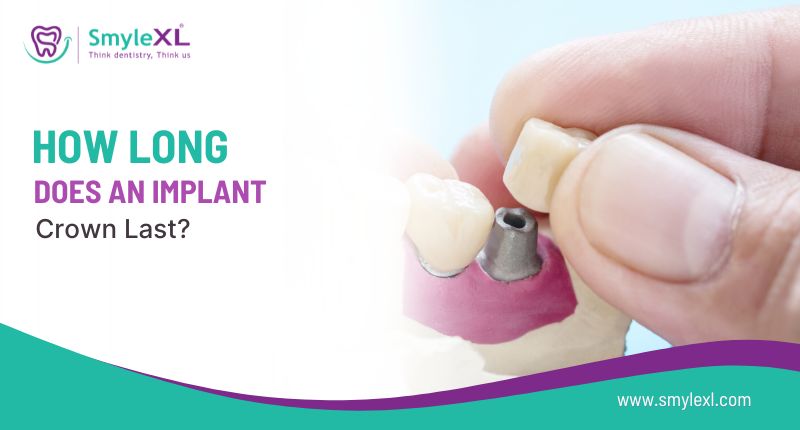
This modern alternative utilizes dental implants to hold the denture in place securely. Small titanium posts are placed in the jawbone, and the denture is attached to them. Because they are anchored, they feel stable and natural—allowing patients to eat, speak, and smile with confidence.
Implant-supported dentures also help protect against bone loss, maintaining the shape of the face and preventing the sunken appearance that often accompanies long-term tooth loss. Patients usually describe them as life-changing compared to the slipping and movement of traditional dentures.
In India, the cost of implant-supported dentures ranges from ₹50,000 to ₹1,50,000 per arch, depending on the number of implants used, the brand, and the clinic’s expertise. While the upfront cost is higher, the long-term value comes from their durability and the freedom they provide.
Cost Comparison
When comparing costs, it’s essential to consider both the short-term and long-term implications.
Traditional dentures may seem affordable with their lower initial price. However, since they often require replacement every 5–7 years, along with adjustments, adhesives, and relining, the expenses continue to accumulate over time.
Implant-supported dentures, although requiring a higher initial investment, are designed to last significantly longer. The implants themselves can last 15 years or more, often a lifetime, with the denture portion needing only occasional replacement. Patients end up spending less on repairs and experience far fewer inconveniences.
This is why many dentists describe implants as an investment in comfort and quality of life, not just a dental expense.
Recommendations: Which Option Should You Choose?
If you are seeking a quick and budget-friendly solution that avoids surgery, traditional dentures can serve your purpose. They restore function and appearance, and with proper care, they provide relief for several years to come.
If you want something more permanent, stable, and closer to natural teeth, implant-supported dentures are the better choice. They eliminate worries about slipping, allow you to eat with confidence, and help preserve the natural shape of your face.
At SmyleXL Dental Clinic, we recommend considering both your long-term comfort and your budget. Many patients find that while traditional dentures provide temporary relief, implant-supported dentures offer them lasting confidence and freedom.
Looking Beyond Numbers
When deciding on dentures, it’s easy to focus only on the rupee amount. However, cost should also be measured in terms of comfort, confidence, and the ability to enjoy daily life. Traditional dentures address the issue of missing teeth, but implant-supported dentures can enhance the experience of living with them.
If denture treatment cost is a concern, remember that many clinics, including SmyleXL, now provide flexible payment options, making advanced solutions more accessible than ever before.
Frequently Asked Questions
- Why do implant-supported dentures cost more than traditional ones?
The difference in cost primarily stems from the way the two treatments are manufactured and fitted. Traditional dentures rest on the gums, while implant-supported dentures need small titanium posts to be surgically placed in the jawbone. This process involves more planning, advanced technology, and high-quality materials, all designed to last for many years. While the bill is higher at the start, the comfort and stability patients get in return usually make them feel it was money well spent.
- Do implant-supported dentures hurt during the procedure?
Most people are surprised to learn that getting implants is not as painful as they imagine. The procedure is done under anesthesia, so you won’t feel pain while it’s happening. Once the numbness wears off, there may be a little soreness—something most patients compare to the feeling after a tooth extraction. Within a few days, the discomfort fades, and the focus shifts to the excitement of having a stronger, more reliable smile.
- How long do implant-supported dentures last?
Think of implant-supported dentures as a long-term investment in your smile. The implant posts, which are inserted into the bone, are designed to remain strong for decades, often lasting a lifetime when properly cared for. The denture that is placed over implants may need replacement after 10 or so years, but the foundation itself usually doesn’t have to be touched. In comparison, traditional dentures often need to be redone every few years, which makes implants a more lasting solution.
- Can I switch from traditional dentures to implant-supported ones later?
Yes, many people begin with removable dentures and later transition to implants once they feel ready. The only thing to be aware of is that wearing traditional dentures for many years can gradually reduce the bone in the jaw, which sometimes necessitates additional procedures, such as bone grafting, before implants can be placed. That’s why dentists often recommend thinking about implants sooner rather than later if you want them eventually. Patients who do make the switch usually say they wish they had done it earlier due to the significant difference in comfort and confidence.
Visit SmyleXL Dental Clinic today to explore your options. Our experts will guide you through the treatment that best suits your needs, lifestyle, and budget.