
Can’t binge eat your favourite snack peacefully, just because of that one missing tooth? Annoying right?
It pains. It is uncomfortable. And the frustration of knowing you can’t fully enjoy the foods you love or smile with complete confidence. For many people, weak or missing teeth silently steal away little joys like these.
That’s where dental implant treatment comes in—a modern solution provided by SmyleXL Dental Clinic that doesn’t just replace teeth but restores strength, comfort, and confidence. But here’s the question almost everyone asks before choosing implants: Can they really match the strength of natural teeth?
Let’s explore this together in a way that’s simple, relatable, and answers the doubts you’ve always had.
Table of Contents
ToggleWhat Makes Natural Teeth So Strong?
Natural teeth are biological marvels. Their strength comes from:
- Enamel – The hardest substance in the human body, tougher than bone.
- Dentin – Provides flexibility and shock absorption while supporting the enamel.
- Periodontal Ligament – Connects teeth to the jawbone and gives them natural cushioning.
Thanks to this structure, natural teeth can chew everything from soft rasgullas to crunchy khakhras without breaking down easily.
The Secret Behind Dental Implants’ Strength
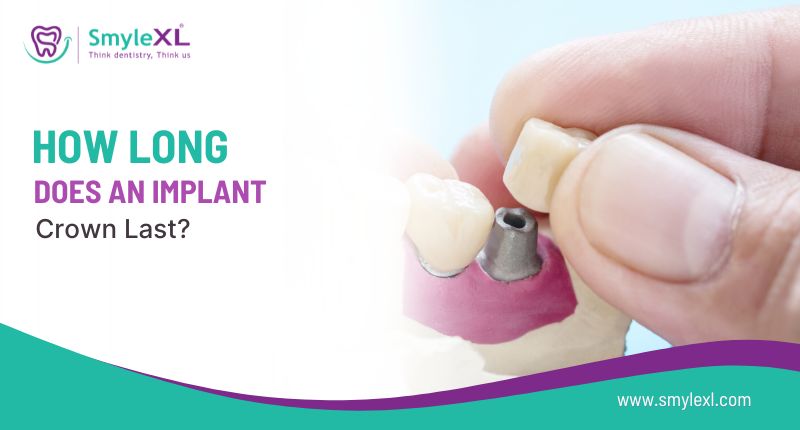
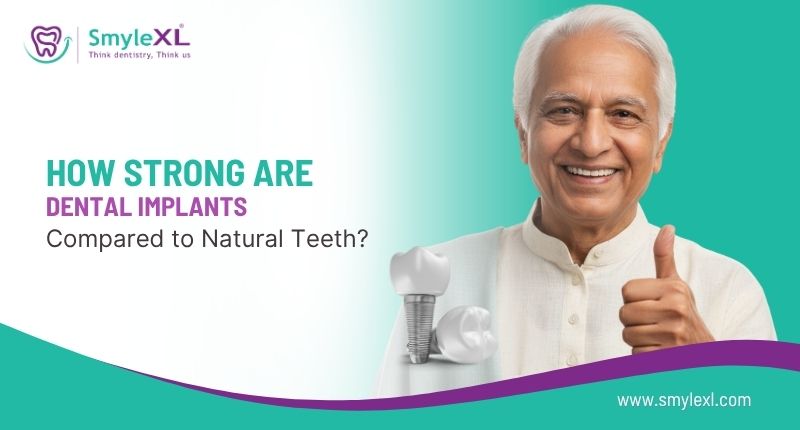
A dental implant is a small titanium post that acts like an artificial root. It fuses with the jawbone in a process called osseointegration. Once healed, a crown (the visible tooth-like cap) is fixed on top.
Why implants are considered strong:
- Titanium Durability – Titanium is compatible with the body and incredibly tough.
- Bone Fusion – Implants become part of your jawbone, making them as stable as natural roots.
- High-Quality Crowns – Modern ceramic or zirconia crowns mimic natural teeth in both strength and appearance.
So when you chew on that crunchy dosa or bite into sugarcane, implants can withstand the same pressure as natural teeth—sometimes even better.
Titanium vs. Zirconia Dental Implants. What to choose?
When considering dental implant treatment, two main materials are often discussed—titanium and zirconia. Both have unique strengths:
- Titanium Implants
- Commonly used for decades, with proven long-term success.
- Highly durable is safe for the body and fuses naturally with bone.
- Zirconia Implants
- Metal-free, making them a good option for patients with metal sensitivities.
- Growing in popularity, but with less long-term research compared to titanium
Strength Comparison: Dental Implants vs. Natural Teeth
| Feature | Natural Teeth | Dental Implants |
| Root Support | Anchored by natural ligament | Anchored directly into bone |
| Durability | Strong, but prone to decay or infection | Decay-proof, highly durable |
| Bite Force | Approx. 150–200 pounds per square inch | Comparable or slightly higher |
| Lifespan | Can last a lifetime with care | 15–25+ years with proper care |
In simpler terms: implants match natural teeth in strength, but with one bonus—they don’t get cavities!
Everyday Life with Dental Implants
Here’s how implants compare in real situations:
- Chewing: Whether it’s bhutta or crunchy farsan, implants handle it like natural teeth.
- Speaking: No fear of slipping like dentures; implants feel natural.
- Smiling: They blend seamlessly, giving back lost confidence.
Why Choose Dental Implants Over Other Options?
Unlike dentures or bridges, dental implant treatment offers benefits that go beyond just filling gaps:
- Natural Feel – Implants are fixed securely into the jaw, so there’s no slipping, clicking, or awkward movement while eating or speaking. They feel and function just like real teeth, giving you complete comfort.
- Bone Health – Missing teeth can lead to the jawbone shrinking over time, leading to facial sagging. Implants fuse with the bone, keeping it strong and preventing this natural deterioration.
- Long-Term Value – While the initial cost may be higher than dentures or bridges, implants last much longer. This means fewer replacements, lower maintenance in the long run, and a lasting smile.
Why Strength Matters in the Indian Context
Our food culture isn’t exactly gentle on teeth. From crunchy papad and spicy chakli to sticky gulab jamun and even tough bites like sugarcane or dry coconut, everyday eating habits demand strong, reliable teeth.
This is where dental implant treatment makes a real difference. Unlike traditional dentures that may slip or struggle with such foods, implants provide stable biting power and long-lasting strength. For many people, they restore not just smiles but also the freedom to enjoy food without hesitation.
How to Care for Your Dental Implants
The strength of implants doesn’t mean they’re maintenance-free. Just like natural teeth, they need care:
- Brush two times a day with a soft-bristle brush.
- Floss or use water flossers to clean around implants.
- Regular dental check-ups at SmyleXL.
- Avoid chewing ice or opening bottles with teeth (yes, some people still do this!).
Are Dental Implants Stronger Than Natural Teeth?
Technically, implants can handle equal or sometimes slightly higher bite forces than natural teeth. But unlike natural teeth, implants don’t have the “shock absorber” ligament. This means overloading them with constant stress (like chewing paan masala or cracking nuts) isn’t advisable.
So the best answer is: implants are as strong as natural teeth for everyday use—but smart care keeps them lasting longer.
Frequently Asked Questions (FAQs )
- How long do dental implants last?
With good care, dental implants usually last 20–25 years or even longer. Daily brushing, flossing, and professional cleanings play a big role in their lifespan. Many patients enjoy their implants for life with consistent dental check-ups. - Is dental implant treatment painful?
The procedure is done under anesthesia, so you won’t feel pain during surgery. Afterward, mild soreness or swelling is common for a few days. This is usually manageable with prescribed pain relief and care instructions. - Are implants safe for everyone?
Most healthy adults are good candidates for implants. People with uncontrolled diabetes, gum disease, or poor bone health may need special evaluation first. Your dentist will assess your condition and suggest the safest option. - Can I eat normally after implants?
Yes, implants allow you to enjoy all your favorite foods once healing is complete. You can chew crunchy, spicy, and sweet foods without fear of slipping or discomfort. They feel and function just like your natural teeth. - How much does dental implant treatment cost in India?
The cost depends on the number of implants, the type of crown, and the overall treatment plan. On average, it is higher than dentures or bridges but offers better long-term value. At SmyleXL, customized plans are made to suit different budgets. - Do implants look natural?
Yes, implants are designed to blend seamlessly with your natural teeth. Modern crowns are customized in size, shape, and color for a perfect match. Most people can’t even tell the difference between an implant and a natural tooth.
Strong Smiles Start with SmyleXL
When it comes to strength, dental implant treatment isn’t just a replacement; it’s a second chance at having teeth that feel natural, look natural, and work effortlessly. They give you the freedom to enjoy your favorite foods, laugh without hesitation, and smile without holding back.
If missing teeth have been holding you back, this is the moment to take charge. With the right care and expertise, implants can transform not just your smile but your overall confidence.
Don’t wait for another tooth to fall—book your dental implant treatment consultation with SmyleXL Dental Clinic today and give yourself the gift of strength, beauty, and peace of mind.