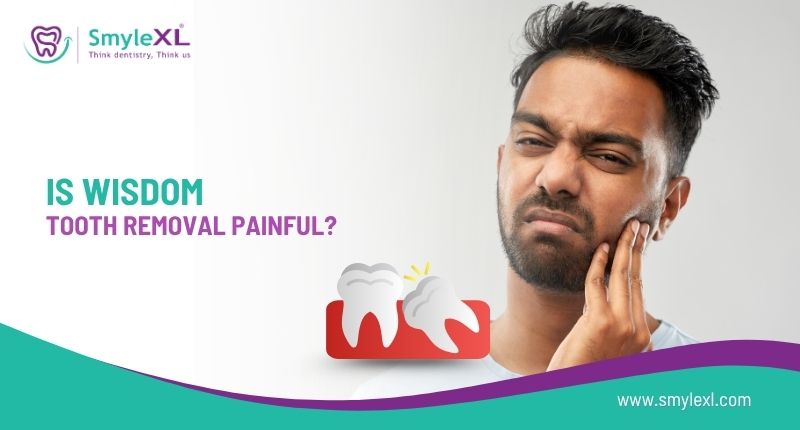

The idea of getting a tooth pulled often makes people nervous, and when it comes to wisdom teeth, the anxiety is even higher. Many people worry about whether the procedure will hurt, how long the recovery will take, and what they can expect afterward.
If you’ve been told you need your wisdom tooth removed, you probably have the same question: Is wisdom tooth removal painful? The short answer is: not during the procedure, thanks to modern dentistry and anesthesia. But mild discomfort later is common and usually manageable with the right care.
Table of Contents
ToggleWhy Do Wisdom Teeth Need to Be Removed?
Wisdom teeth are the last molars that usually come between the ages of 17 and 25. Some people don’t face any issues, others experience pain, swelling, or infections because these teeth don’t always grow properly.
Some common reasons dentists recommend tooth extraction includes:
- Impacted teeth: When wisdom teeth don’t have enough room, they may grow sideways, get trapped under the gums, or press against neighboring teeth.
- Infections or gum problems: When wisdom teeth are crowded, they are harder to clean and can cause cavities or gum problems.
- Jaw pain or swelling: Pressure from impacted teeth can cause headaches, jaw stiffness, or discomfort.
- Orthodontic reasons: Sometimes wisdom teeth interfere with braces or alignment treatments.
Not everyone needs their wisdom tooth removed, but when problems occur, extraction is often the best option.
What to Expect During Wisdom Tooth Removal
Before worrying about pain, it’s helpful to understand the process. Here’s what typically happens:
- Consultation – Your dentist will examine your mouth and take X-rays to check the position of your wisdom teeth.
- Anesthesia – Before the procedure begins, you receive local anesthesia to numb the area. (General anesthesia is used only for complex cases; you’ll be completely asleep).
- Extraction – The dentist makes a small cut in the gum (if needed), removes the tooth, and cleans the area. Stitches may be placed to help with healing.
- Recovery – You’ll rest at the clinic for a short time and then go home with care instructions.
During the procedure, you should not feel pain, though you may sense pressure or slight tugging as the tooth is removed.
Does Wisdom Tooth Extraction Hurt?
Here’s the good news: the actual procedure is not painful. Thanks to anesthesia, your mouth is numb, so you won’t feel sharp sensations. What you might feel is pressure or shifting while the dentist works on the tooth.
The discomfort usually begins after the procedure, once the anesthesia wears off. For most people, this feels like soreness, swelling, or mild throbbing in the jaw. The intensity depends on:
- How many teeth were removed.
- Whether the teeth were impacted.
- Your body’s healing response.
Mild to moderate pain after is normal, but it’s temporary and can be managed with pain relievers and proper care.
What Does the Recovery Feel Like?
The recovery process is different for everyone, but here’s a general timeline of what to expect:
- First 24 hours: You may have bleeding, swelling, and soreness. Pain medication and ice packs usually help.
- Day 2–3: Swelling may peak but then start to go down. Eating soft foods like yogurt, soup, ice cream or mashed potatoes is recommended.
- Day 4–7: Pain and swelling decrease significantly. You may feel good enough to return to normal activities.
- Week 2: Most people feel fully recovered, though complete healing of the gums and bone may take longer.
Pain Management to Ease Discomfort after Extraction
The key to a smooth recovery is following your dentist’s instructions. Here are common ways to manage discomfort:
- Medications: Pain relievers prescribed by doctors only.
- Ice packs: Applying ice on the outside of your face helps reduce swelling and numb soreness.
- Rest: Avoid strenuous activity for the first few days.
- Soft foods: Stick to foods that don’t require chewing, like smoothies, oatmeal, or scrambled eggs.
- Saltwater rinses: After 24 hours, gentle rinsing helps keep the area clean and speeds up healing.
Avoid smoking, drinking through a straw, or eating crunchy foods during the early recovery period, as these can disturb healing.
Possible Complications to Be Aware Of
Most people recover from wisdom tooth surgery without problems, but complications can happen. These include:
- Dry socket – When the blood clot protecting the bone and nerves are dislodged, leading to severe pain.
- Infection – Signs include fever, pus, or swelling that doesn’t improve.
- Nerve irritation – Rarely, wisdom tooth removal can affect nerves, leading to tingling or numbness.
These are uncommon, but it’s important to follow aftercare instructions and contact your dentist if anything feels unusual.
Simple Ways to Prepare Better
If you’re worried about pain, preparation makes all the difference. Here are some tips:
- Talk to your dentist – Ask about anesthesia options and what you can expect.
- Plan time off – Give yourself a couple of days to rest and recover.
- Stock up on soft and cold food – Yogurt, smoothies, and ice creams are ideal.
- Follow instructions – Every patient gets personalized care guidelines. Stick to them for the best recovery.
- Stay calm – Remember, millions of people undergo wisdom tooth extraction every year, and most recover quickly.
Is it Really Painful?
Getting your wisdom tooth removed may seem scary, but it is usually not as bad as people think. With anesthesia, the procedure itself doesn’t hurt – you might feel some pressure, but not pain. Any soreness afterward is usually mild, short-term, and easy to handle with medicines, rest, and good care. So, if you feel any discomfort book your appointment now with Smylexl Dental Clinic to get your Wisdom Tooth Removal done today.
Frequently Asked Questions
1. How painful is Wisdom Tooth Removal on the scale of 1-10?
The pain level usually ranges from 0-1, since the area is completely numb. After the anesthesia wears off, most people feel mild to moderate soreness, often 3-5 on the pain scale, which might usually last for a few days and can be managed with medicine and rest.
2. What is the worst part about the tooth extraction process?
The toughest part is usually not the surgery, but the recovery period. Swelling, jaw stiffness, and eating only soft foods for a few days can feel inconvenient. Rarely, complications like dry socket can cause some pain, but aftercare instructions might lower that risk.
3. Should I be nervous about the tooth removal process?
It’s normal to feel nervous, but the process is much easier. If you are anxious, let your Dentist know-they can walk you through the procedure and will try to keep you comfortable.
4. What happens if I don’t get my wisdom teeth removed?
Not everyone needs it to get removed, but leaving them in an impacted condition might lead to infections, cavities, gum infection, or damage to neighbouring teeth.