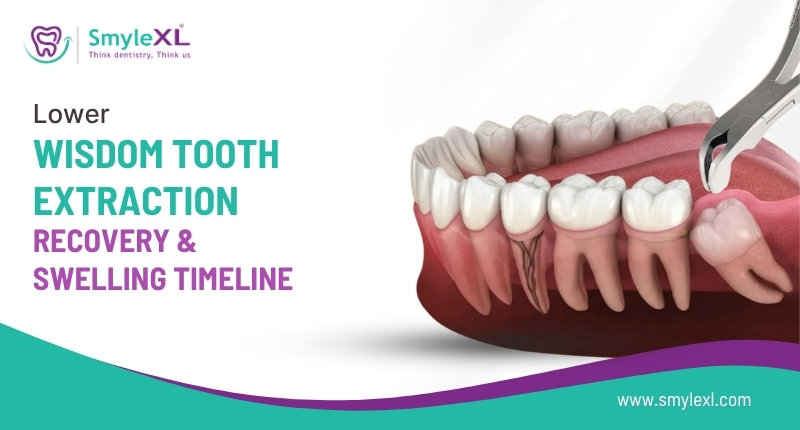

Indian families have a special talent during wisdom tooth recovery.
The swelling can be the size of a lemon…
But one aunty will still say:
“Thoda aur ice laga lo, theek ho jayega.”
Meanwhile, the patient is sitting quietly like a failed boxer after round three.
Lower wisdom tooth extraction has this reputation. Not because the procedure itself is terrifying, but because everyone remembers the swelling story before they remember the recovery story.
“Face kitne din sujta hai?”
“Kab normal hoga?”
“Office ja sakte kya?”
At SmyleXL Dental Clinic, we hear these questions almost every day before lower wisdom tooth surgery. Most patients are not actually scared of the procedure. They are worried about what happens after it, the swelling, the eating restrictions, the jaw stiffness, and the fear of looking visibly swollen in public.
The good news is this: tooth extraction recovery usually follows a predictable timeline. Swelling rises, peaks, and gradually settles. Once patients understand this pattern, recovery stops feeling mysterious and starts feeling manageable.
Table of Contents
ToggleThe Real Fear Is Usually the Swelling, Not the Extraction
Ask most people what worries them about lower wisdom tooth extraction, and they rarely mention the surgery first.
They talk about:
- swollen cheeks
- difficulty eating
- trouble opening the mouth
- awkward office appearances
- pain stories from friends
The internet has also made recovery sound dramatic. One video shows extreme swelling. Another describes horrible pain. Somewhere in between, patients begin imagining the worst before their appointment even starts.
But at SmyleXL Dental Clinic, we often explain something important: recovery after lower molar extraction looks very different for every person. Age, tooth position, oral hygiene, and the complexity of the extraction all influence healing.
And despite the scary reputation, most patients recover far more smoothly than they expected.
Why Lower Wisdom Tooth Extraction Causes More Swelling?
Upper wisdom teeth are usually simpler to remove because the upper jawbone is softer. Lower wisdom tooth extraction is different because the lower jawbone is denser and stronger.
This means the tooth often sits more tightly inside the bone.
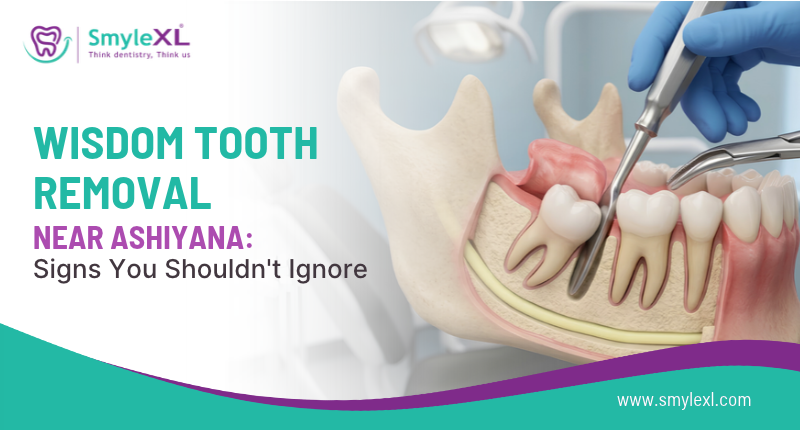
In many cases, the wisdom tooth is partially trapped under the gums or bone. This is called an impacted tooth. Impacted tooth removal usually requires a more careful surgical approach, which naturally creates more tissue irritation during the procedure.
The body responds to surgery with inflammation. That swelling is not a sign that something went wrong it is part of healing.
During lower wisdom tooth surgery, the surrounding tissues, muscles, and bone experience controlled surgical trauma. The body increases blood flow to the area to begin repair, which causes post-extraction swelling.
At SmyleXL Dental Clinic, we help patients understand that swelling is temporary, predictable, and manageable with proper care.
Not Every Wisdom Tooth Removal Is the Same
Many people think all wisdom tooth removals are the same, but they vary significantly. Some teeth can be easily extracted, while others may require surgical techniques if they are impacted or positioned awkwardly.
Complex extractions may occur if the tooth is sideways, has curved roots, is buried under bone, or is near important nerves. Experience is crucial in these cases.
At SmyleXL Dental Clinic, we use digital X-rays and careful planning to determine if a straightforward extraction or advanced oral surgery is needed. While the term “surgery” can be alarming, it simply means gently opening the gum or removing a small amount of bone to access the tooth safely. Our aim is to ensure a safe extraction while minimizing trauma to surrounding tissues.
The First 24 Hours: “Abhi Toh Sunn Hai”
The first few hours after lower wisdom tooth extraction feel more strange than painful.
The mouth remains numb. Speech sounds different. Patients carefully test whether they can drink water properly without spilling it.
This phase is important because the blood clot forming inside the extraction site protects the healing tissues underneath.
At SmyleXL Dental Clinic, we advise patients to focus heavily on rest during the first day.
This is also the most important time for controlling swelling.
A cold compress or ice packs for swelling work best during the first 24 to 48 hours. Cold helps reduce blood vessel expansion and slows the inflammatory response.
The timing matters too.
Patients should not keep ice continuously on the face for hours. Instead:
- 15–20 minutes on
- short break
- repeat throughout the day
This reduces post-extraction swelling more effectively and keeps the tissues comfortable.
Day 2 to Day 3: The Swelling Peaks
This is the phase that surprises most people.
Patients expect swelling to reduce immediately after surgery. Instead, it often increases on the second or third day.
At SmyleXL Dental Clinic, we prepare patients for this beforehand because this stage is completely normal during wisdom tooth extraction recovery.
The cheek may feel fuller. Mild bruising can appear. Jaw stiffness becomes noticeable, especially while eating or yawning.
Lower wisdom tooth surgery affects muscles around the jaw, which is why mouth opening may temporarily feel limited.
Patients sometimes panic during this phase and assume something is wrong.
But normal recovery signs include:
- mild swelling
- controlled discomfort
- tightness while opening the mouth
- slight bruising
- gradual improvement afterward
What matters is whether symptoms continue improving day by day.
Ice First. Heat Later.
One of the most common mistakes patients make after lower wisdom tooth extraction is using heat too early.
For the first 48 hours, cold compress application is ideal because it controls inflammation and swelling.
After the swelling peaks, warm compresses become more helpful.
Warm compresses improve blood circulation and relax tight jaw muscles. They are especially useful for reducing jaw stiffness after surgical third molar extraction.
At SmyleXL Dental Clinic, we often tell patients:
“Pehle ice. Baad mein heat.”
It sounds simple, but correct timing makes recovery far more comfortable.
What Foods To Eat After Surgery?
Recovery changes eating habits immediately.
Suddenly, people who normally eat spicy street food are discussing curd rice like it is a luxury item.
Patients recovering from tooth extraction often underestimate how important food choices are during healing.
The best foods to eat after surgery are:
- khichdi
- smoothies
- soups
- mashed potatoes
- yogurt
- dal rice
- soft fruits
Soft foods reduce pressure on the surgical site and make chewing easier during wisdom tooth extraction recovery.
At SmyleXL Dental Clinic, we also advise patients to avoid:
- crunchy snacks
- spicy foods
- extremely hot beverages
- popcorn
- chips
- foods with small particles
Tiny food particles entering the extraction area can irritate healing tissues and delay tissue inflammation relief.
The Fear of Dry Socket
Every wisdom tooth discussion eventually reaches this phrase:
“Dry socket.”
Patients hear the term online and immediately become anxious.
Dry socket prevention is actually very simple when post-operative instructions are followed properly.
After lower wisdom tooth extraction, the blood clot inside the socket acts like a natural protective layer. If this clot gets disturbed too early, the bone underneath becomes exposed, causing intense pain.
This is why SmyleXL Dental Clinic strongly advises patients to avoid:
- forceful spitting
- smoking
- drinking through straws
- aggressive rinsing
- touching the socket repeatedly
Most dry socket cases happen because the healing clot gets dislodged during the early recovery period.
Good aftercare dramatically reduces this risk.
Why Does Jaw Stiffness Happens?
Many patients expect swelling after lower wisdom tooth surgery.
What surprises them more is jaw stiffness.
Opening the mouth fully may feel difficult for several days. Eating large bites becomes uncomfortable. Some patients even speak slightly differently for a short period.
This happens because the jaw muscles remain close to the surgical area during lower molar extraction. The muscles become temporarily tight and inflamed after the procedure.
At SmyleXL Dental Clinic, we reassure patients that mild jaw stiffness is completely normal after oral surgery for wisdom tooth removal.
Warm compresses, gentle jaw movement, hydration, and rest usually improve mobility gradually over the first week.
Signs You Should Contact the Dentist
While most recoveries progress smoothly, certain symptoms should never be ignored.
Patients should contact the clinic if they experience:
- severe pain after Day 3
- excessive bleeding
- fever
- foul smell from the extraction site
- swelling that worsens continuously
- difficulty swallowing
- symptoms of dry socket
A safe tooth extraction procedure includes proper follow-up care too. Recovery should always be monitored when symptoms feel unusual.
Recovery Is Temporary. Relief Lasts Longer.
Most patients delay lower wisdom tooth extraction for months because they fear recovery.
But the irony is this:
The discomfort from impacted wisdom teeth usually lasts far longer than the recovery itself.
Recurring pain, gum swelling, food trapping, pressure near adjacent teeth, and repeated infections slowly become part of everyday life.
At SmyleXL Dental Clinic, we believe patients deserve realistic expectations, not exaggerated fear. Lower wisdom tooth surgery is not about making recovery dramatic; it is about solving a problem safely before it creates bigger complications later.
FAQs
Which is worse, root canal or wisdom tooth extraction?
Both procedures are done under anesthesia, so pain during treatment is usually minimal. However, lower wisdom tooth extraction may feel more uncomfortable during recovery due to post-extraction swelling, jaw stiffness, and the healing process. A root canal is often less physically demanding after the procedure.
Why don’t dentists do root canals on wisdom teeth?
Dentists usually avoid root canals on wisdom teeth because these teeth are difficult to access, clean, and restore properly. In many cases, impacted tooth removal or lower molar extraction is a more practical long-term solution, especially if the wisdom tooth is poorly positioned or has recurrent infection.
How many wisdom teeth do people have?
Most people have four wisdom teeth, two upper and two lower third molars. Some people may develop fewer, while others may require wisdom tooth surgery if the teeth remain impacted or cause crowding issues.
Which tooth is hardest to remove?
Lower wisdom teeth are generally considered the most difficult teeth to remove because the lower jawbone is denser and the teeth are often impacted. Surgical third molar extraction may become more complex when the roots are close to nerves or trapped under bone.
Are people born without wisdom teeth?
Yes, some people are naturally born without one or more wisdom teeth. Dentists believe this happens because human jaws are gradually becoming smaller over generations, reducing the need for third molars and oral surgery for wisdom tooth removal in some individuals.