
Here’s a truth nobody enjoys hearing: your toothbrush, as hardworking and loyal as it is, has limits. It gets the surface. It handles the fresh stuff. But the hardened, calcified buildup that’s been quietly accumulating along your gumline for months? That requires professional teeth cleaning, and no amount of aggressive brushing is going to change that.
But do you know that dental cleaning is one of the simplest, most effective things you can do for your oral health? And the benefits go well beyond “teeth feel smooth afterward.” Here’s the full picture, including why that one hour in the dental chair is doing significantly more work than most people realize.
Table of Contents
ToggleFirst, What Exactly Is Tartar, and Why Is It a Problem?
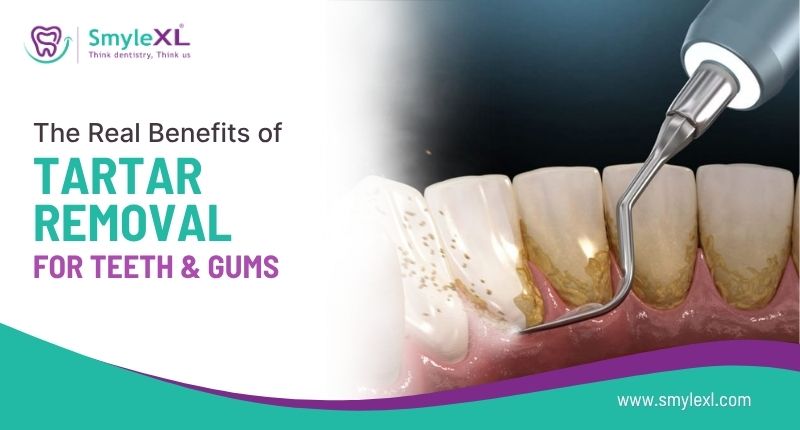
Think of plaque as the daily villain: a soft, sticky bacterial film that forms on teeth throughout the day. Brush and floss consistently, and plaque gets removed before it causes damage. Miss it for long enough, and it mineralizes into the final boss, tartar, which is a hard, calcified deposit that bonds to the tooth surface and refuses to leave without professional help.
Tartar removal isn’t optional maintenance. Once tartar forms, it actively contributes to gum inflammation, decay, and eventually bone loss if left unaddressed. Dental scaling, the process of removing tartar above and below the gumline, is the only way to properly deal with it.
The Benefits: What Teeth Cleaning Actually Does For You
Benefit 1: Healthier, Happier Gums
This is the big one. Gum cleaning treatment removes the bacterial deposits that sit at and below the gumline, the primary trigger for gum inflammation. Once those deposits are gone, reduced gum inflammation follows relatively quickly. Gums that bleed every time you brush often stop bleeding within a week or two after a proper cleaning.
Healthier gum tissue isn’t just a cosmetic outcome; it’s the difference between gums that hold teeth firmly in place and gums that are slowly, silently losing that battle. Periodontal health starts with consistent teeth cleaning, and there’s really no shortcut around that.
Benefit 2: Fresher Breath That’s Actually Fresh, Not Just Masked
Here’s the thing about chronic bad breath: most of the time, mouthwash isn’t solving the problem. It’s covering it. Improved breath freshness after a professional plaque removal session happens because the actual source, bacterial buildup and tartar deposits, have been physically removed.
Fresh breath that lasts is a direct result of oral hygiene cleaning done properly. The bacteria responsible for odor live in the same deposits that tartar removal addresses. Remove the deposits, remove the source. It’s that straightforward.
Benefit 3: Cavity Prevention Before It’s Needed
Cavity prevention is significantly more manageable than cavity treatment, and professional preventive dental care makes it possible. Plaque removal clears the bacterial film before it has a chance to produce the acids that eat into enamel.
Regular cleaning every six months catches buildup before it progresses to the stage where it causes decay. The math is simple: a dental scaling appointment costs a fraction of what a filling costs, and a filling costs a fraction of what a root canal costs. Prevention is always the better deal.
Benefit 4: Early Detection of Problems You Didn’t Know You Had
A professional teeth cleaning appointment isn’t just a cleaning; it’s also an examination. Cavities in early stages, gum pockets that are deepening, early signs of gum disease, cracks in enamel, these are caught during a dental cleaning visit in a way they simply aren’t during home care.
Gum disease prevention is significantly easier at the “we noticed something early” stage than at the “this has been developing for two years” stage. Showing up every six months for preventive dental care is essentially a twice-yearly insurance policy on your oral health.
Benefit 5: Stain Removal and a Visibly Brighter Smile
Tooth polishing, the step that follows scaling, removes surface stains from tea, coffee, and other pigmented foods and drinks. It’s not whitening, but for most patients, the difference after a scaling and polishing session is genuinely noticeable. Teeth look cleaner, brighter, and significantly less dull.
This is the benefit people notice in the mirror first, and it’s a nice bonus on top of everything happening below the surface.
Benefit 6: Gum Disease Prevention: Stopping It Before It Starts
Gum disease prevention is far easier than gum disease treatment. Gum cleaning treatment every six months interrupts the cycle of tartar buildup before it progresses to the stage where pockets form, and bone starts to be affected.
Once gum disease reaches the moderate-to-severe stage, dental scaling alone isn’t sufficient; deeper intervention is needed, costs go up, and outcomes become less predictable. Regular teeth cleaning is genuinely the simplest way to stay on the right side of that line.
Scaling vs Polishing: What’s the Difference?
These terms are often used interchangeably. They’re not the same thing, and understanding the difference helps you know what your appointment actually involves.
| Dental Scaling | Tooth Polishing | |
| What it does | Removes tartar and hardened deposits | Removes surface stains, smooths enamel |
| Tools used | Ultrasonic scaler, hand instruments | Rotating brush with polishing paste |
| Above or below gumline | Both | Above gumline only |
| Essential for periodontal health | Yes | Supplementary |
| Part of routine teeth cleaning | Always | Usually included |
When it comes to scaling vs polishing, scaling is the clinical necessity, polishing is the finishing touch. Both are part of a standard appointment, and together they deliver the complete outcome most patients associate with a professional clean.
What About Deep Scaling?
Standard dental scaling addresses deposits above and just at the gumline. Deep scaling, also called root planing, goes further, cleaning below the gumline into the pockets between teeth and gums where bacteria have settled and begun causing damage.
Deep scaling is recommended when:
- Gum pockets are deeper than 3mm
- There are signs of early gum disease
- Heavy tartar buildup extends significantly below the gumline
It’s not an upsell. When a dentist recommends it, there’s a clinical reason, and skipping it when it’s genuinely needed means the underlying issue continues progressing.
What Does Teeth Cleaning Cost at SmyleXL Dental Clinic?
At SmyleXL Dental Clinic in Pimple Nilakh, Pune, here’s the cost of dental cleaning:
| Treatment | Approximate Cost |
| Routine dental scaling & tooth polishing | ₹500 – ₹1,500 |
| Deep scaling/root planing | ₹2,500 – ₹4,500 |
The cost of dental cleaning at the routine level is genuinely one of the best value-for-money procedures in dentistry; the prevention it delivers costs a fraction of treating the problems it prevents. A deep scaling appointment costs more, but significantly less than the periodontal treatment required if the underlying gum disease is left to progress.
Your Gums Called, They Want an Appointment
Teeth cleaning is easy to postpone because there’s rarely an urgent reason to go. No pain, no visible problem, just quiet tartar accumulation doing slow, consistent damage while you convince yourself it can wait.
At SmyleXL Dental Clinic in Pimple Nilakh, Pune, a routine cleaning takes about an hour, causes minimal discomfort, and delivers benefits well beyond the appointment, including improved breath freshness, healthier gum tissue, cavity prevention, and a proper oral health check.
Book your appointment at SmyleXL Dental Clinic today. Your gums will thank you, possibly immediately.
Frequently Asked Questions
Is it good to go for teeth cleaning?
Yes, professional cleaning is one of the most beneficial routine dental procedures available. It removes tartar that home brushing can’t address, supports gum disease prevention, delivers improved breath freshness, and allows early detection of developing issues. The cost of dental cleaning is significantly lower than treating the conditions that develop from skipping it. Every six months is the standard recommendation for most adults.
What does a teeth cleaning do?
A professional cleaning involves dental scaling to remove hardened tartar, plaque removal to clear bacterial film, and tooth polishing to remove surface stains. Together, these support periodontal health, reduce gum inflammation, improve fresh breath, and contribute to cavity prevention. It’s a complete oral health reset that home care simply can’t replicate.
Is teeth cleaning painful?
For most patients, oral hygiene cleaning is uncomfortable at most, not painful. The scraping sensation during dental scaling can feel strange, and areas with heavier tartar may feel tender momentarily. Any soreness settles within 24–48 hours. Patients who attend regularly for preventive dental care find each visit progressively more comfortable since there’s less buildup to remove.
Do teeth look better after cleaning?
Yes, noticeably so. Tooth polishing removes surface stains, and tartar removal clears dull deposits along the gumline. The result is cleaner, brighter-looking teeth with healthier gum tissue around the base. For many patients, the improvement after a scaling vs polishing session is more visible than expected, without any whitening involved.
Should I brush after teeth cleaning?
Yes, normal oral hygiene resumes immediately after an appointment. Brush gently for the first day if there’s sensitivity after dental scaling. If a fluoride treatment was applied, wait 30 minutes before eating or drinking. Consistent brushing and flossing between dental cleaning visits extends the benefits of the appointment and slows the return of plaque removal-worthy buildup.