
Losing a tooth can feel like your smile has a permanent gap. You chew carefully on one side. You hesitate before laughing in photos. You wonder if anything can truly feel like your own tooth again. The answer is yes, and for most people, the solution is something called an endosteal implant. It sounds technical, but it is simply a small titanium post placed into your jawbone to act as a new root. Think of it as building a house. You need a strong foundation before you put up the walls. That is exactly what this implant does.
If you are exploring dental implant in Ashiyana, understanding this option is the first step toward a confident decision. At SmyleXL Dental Clinic, we believe in walking you through every detail so you feel informed and completely at ease with your choice.
Table of Contents
ToggleWhat Exactly Is an Endosteal Implant?
The word endosteal means “in the bone,” which tells you exactly where it goes.
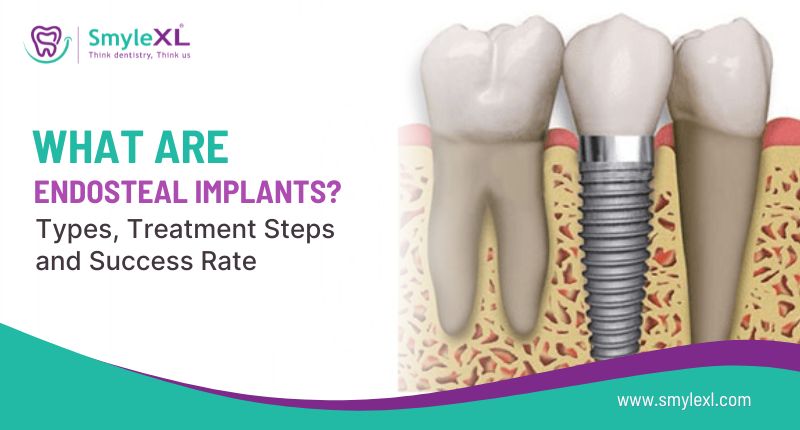
- A small screw-shaped post made of titanium
- Placed directly into your jawbone during surgery
- Acts as an artificial root for your new tooth
- Made of material your body accepts without rejection
- Provides the strongest foundation for replacement teeth
The Three Main Parts of an Implant
Understanding the pieces helps take the mystery out of the process.
- The implant body, which is the screw placed in your bone
- The abutment, a connector piece that sits on top
- The crown, the visible part that looks like your natural tooth
Types of Endosteal Implants
Not all endosteal implants look the same. They come in different shapes for different situations.
- Screw-type implants, which are the most common and look like small screws
- Cylinder-type implants, which are smooth and rely on a special coating
- Blade-type implants, which are flat and used when the bone width is narrow
Screw-type implants are used in most cases because they grip the bone so well. Your dentist at SmyleXL Dental Clinic will recommend the shape that suits your specific bone structure when you come in for a dental implant in Ashiyana.
Who Is the Right Candidate?
Most healthy adults missing one or more teeth can get this treatment.
- Adults with enough bone height and density
- People with healthy gums free from active disease
- Non-smokers or those willing to quit during healing
- Individuals with well-managed health conditions
- Anyone tired of hiding their smile
Even if you have some bone loss, procedures like grafting can often prepare your mouth for success.
Who Should Be Cautious?
A few factors can affect how well implants work.
- Heavy smoking that slows down healing
- Uncontrolled diabetes needs careful management
- Medical conditions affecting blood flow or healing
- Very young patients whose jaws are still growing
The Step-by-Step Treatment Process
Knowing what happens at each stage removes the fear of the unknown.
Step One: Your First Visit
- A thorough check of your teeth and gums
- X-rays or 3D scans to see your bone
- Discussion about your health and habits
- A clear plan made just for you
- Answer every single question you have
Step Two: Placing the Implant
- The area is numbed completely so you feel nothing
- A small opening is made in your gum
- The titanium post is placed gently into the bone
- The gum is stitched back over the implant
- The whole thing takes about an hour
Step Three: The Healing Phase
- This is the most important part of the whole process
- Your bone grows around the implant and locks it in place
- This is called osseointegration, which means bone fusing to metal
- It takes three to six months, but it happens quietly
- You wear a temporary tooth, so your smile looks normal
Step Four: Placing the Abutment
- A small connector is attached to the implant
- This piece will hold your final crown
- It is a quick and simple visit
Step Five: Your New Tooth
- Impressions are taken to create your custom crown
- The crown is matched to your natural teeth perfectly
- It is attached to the abutment
- You walk out with a tooth that looks and feels real
The Success Rate of Endosteal Implants
Numbers matter when you are making a big decision about your health.
- Success rates are over 95 percent in healthy patients
- This means the vast majority of implants last for decades
- Lower jaw implants often have slightly higher success rates
- Good oral hygiene makes success even more likely
- Regular checkups help catch small issues early
When you choose a dental implant in Ashiyana at a trusted clinic, you are choosing a solution with an excellent track record.
Caring for Your Implant
Once your new tooth is in place, a little daily care goes a long way.
- Brush twice daily like you do your natural teeth
- Floss around the implant to keep gums healthy
- Use a soft brush and non-scratchy toothpaste
- See your dentist for regular checkups
- Avoid chewing ice or hard candies
Think of it as a lifelong investment that asks very little in return.
When to Call Your Dentist
A few situations need professional attention.
- Pain that gets worse instead of better
- Bleeding that does not stop
- Signs of infection, like warmth or pus
- The implant feeling loose at any time
Our team at SmyleXL Dental Clinic is always there to help if something does not feel right.
FAQs
Q1. How long do endosteal implants last?
With proper care, the implant itself can last a lifetime. The crown on top may need replacement after ten to fifteen years due to normal wear and tear.
Q2. Is the implant procedure painful?
The procedure is done under local anesthesia, so you feel no pain during surgery. Some soreness afterward is normal but mild. Most patients manage it with simple pain relievers and return to normal activities within a day or two.
Q3. How long does the whole process take?
The surgery itself takes about an hour. The healing phase, where bone fuses to the implant, takes three to six months. After that, placing the final crown takes one or two more visits.
Q4. What if I don’t have enough bone?
Bone grafting can often rebuild what is missing. This adds a few months to the timeline but makes implants possible for people who were told no before. Your dentist will check your bone and discuss options.
Q5. Can anyone get an endosteal implant?
Most healthy adults with enough bone and healthy gums can get implants. Age alone is not a barrier. People in their seventies and eighties receive implants successfully. Your overall health matters more than your age.
The Foundation of a Confident Smile
An endosteal implant is more than just a medical device. It is a second chance at a smile that feels completely your own. From the moment that tiny titanium post fuses with your jawbone, it becomes part of you. It supports your daily life without you even noticing it is there. You bite into an apple. You laugh with friends. You pose for photos without a second thought. That is the real goal of dental implants.
At SmyleXL Dental Clinic, we have seen the quiet joy on a patient’s face when they run their tongue over a new dental implant in Ashiyana and realize it feels like home. If you have been living with a missing tooth, wondering if anything can truly feel natural again, we invite you to come in for a conversation.