

Imagine removing a single book from the middle of a tightly packed bookshelf. At first, it seems like a small gap. But slowly, the books on either side start leaning, shifting, and losing their alignment. What seemed like a tiny empty space gradually affects the entire shelf.
Your teeth behave the same way. When one tooth goes missing, whether due to decay, gum disease, or injury, the rest of the teeth don’t stay still; they begin to drift, tilt, or move into the empty space, silently creating long-term problems.
This is why many patients visit us for dental implant in Vijay Nagar at SmyleXL Dental Clinic. The consequences of leaving a gap untreated are far more significant than most people expect. In this blog, we’ll walk you through what actually happens when a missing tooth is ignored, and why timely replacement can protect your oral health, facial appearance, and overall comfort.
Table of Contents
ToggleWhy Replacing a Missing Tooth Matters More Than You Think
A missing tooth doesn’t just affect one part of your mouth. Over time, it impacts your smile, chewing ability, jawbone health, gum condition, and even the balance of your facial structure. Here are the key reasons why replacing the tooth is essential.
How Teeth Begin to Shift When One Is Missing
One of the earliest consequences of losing a tooth is movement in the surrounding teeth. Teeth naturally rely on each other for support. When one is missing:
- Adjacent teeth lean into the space
- Opposing teeth (from the opposite jaw) move downward or upward.
- Gaps form between other teeth.
- Bite alignment shifts gradually.
This movement doesn’t happen overnight, but when it does, it becomes difficult to correct without orthodontic treatment. The change in alignment also affects chewing pressure and increases stress on the remaining teeth.
Bone Loss: The Hidden Problem Most People Don’t See Coming
Your jawbone stays strong because the roots of your teeth stimulate it. When a tooth is missing, this stimulation stops. As a result:
- The bone begins to shrink
- The jaw loses density.
- The shape of your face gradually changes
This process is known as bone resorption. Over time, it leads to a sunken appearance around the cheeks or jawline. Many patients don’t realize that the missing tooth is the root cause of their facial changes.
A dental implant in Vijay Nagar at SmyleXL Dental Clinic is recommended because it replaces not just the visible part of the tooth, but the root as well, helping preserve bone and maintaining natural facial structure.
Bite Changes and Chewing Problems
Your bite is like a balanced system where each tooth plays a role. When a tooth disappears:
- Chewing becomes less efficient
- You may avoid chewing on one side.
- Excess pressure is placed on the remaining teeth.
- TMJ (jaw joint) issues may develop
Even a small missing molar can disrupt chewing patterns. Over time, this can cause jaw pain, headaches, or muscle tension around the face.
Increased Risk of Gum Disease and Tooth Decay
A missing tooth creates extra space that becomes difficult to keep clean. Food debris and bacteria accumulate in these gaps, leading to:
- Gum inflammation
- Increased plaque and tartar
- Higher chances of cavities in adjacent teeth
- Periodontal disease
As gum disease progresses, it can loosen surrounding teeth, causing even more tooth loss. This chain reaction starts from one missing tooth.
Speech Difficulties You May Not Expect
Many people don’t realize how much their teeth contribute to clear speech. Missing teeth, especially in the front, can lead to:
- Whistling sounds
- Difficulty pronouncing “s,” “th,” and “f” sounds.
- Reduced confidence while speaking
Replacing the missing tooth restores natural speech patterns and boosts confidence during conversations.
Digestive Issues Caused by Improper Chewing
Chewing is the first step of digestion. Food that isn’t broken down properly puts extra stress on the stomach and intestines, leading to:
- Indigestion
- Bloating
- Reduced nutrient absorption
Patients who avoid chewing on the side of the missing tooth often unknowingly swallow bigger pieces of food, causing digestive discomfort.
Appearance Changes Over Time
A missing tooth may start as a small concern, but over time, it can affect your overall appearance:
- Teeth begin to spread and tilt
- The smile looks uneven.
- Lips may appear collapsed.
- Jawbone loss leads to a sunken facial profile.
Replacing the missing tooth prevents these subtle but noticeable changes.
Emotional and Social Impact of a Missing Tooth
Whether it’s visible or not, missing teeth often impact self-confidence. Many people find themselves:
- Hesitating to smile
- Covering their mouth while laughing
- Avoiding social interactions
- Feeling insecure during conversations or photos
Restoring a missing tooth does more than improve oral health; it restores confidence.
Treatment Options When You Lose a Tooth
When you lose a tooth, your dentist will discuss several treatment options. Each option has its own benefits and cost structure. Let’s explore the most common choices.
1. Dental Implants: The Closest Thing to a Natural Tooth
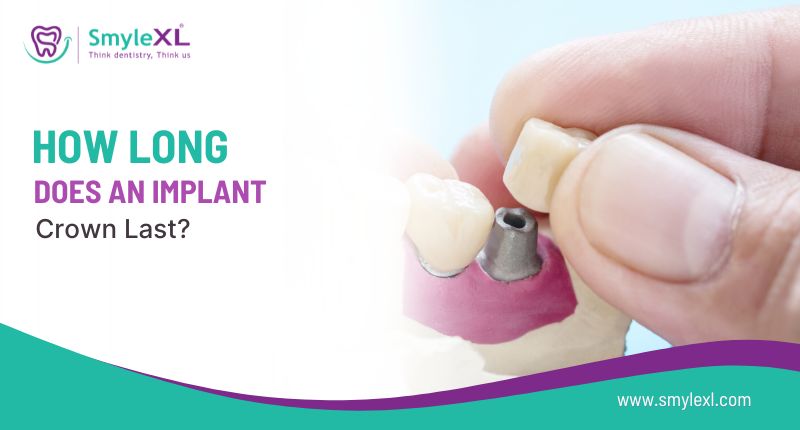
A dental implant replaces both the root and crown of the missing tooth, offering long-term stability.
Benefits:
- Prevents bone loss
- Restores full chewing capability
- Does not affect neighboring teeth
- Long-lasting solution
- Looks and feels like a natural tooth
Many patients at SmyleXL Dental Clinic choose implants because of their strength, natural appearance, and durability.
2. Dental Bridges
A bridge replaces the missing tooth by anchoring it to the neighboring teeth.
Benefits:
- Faster than getting an implant
- Suitable when the jawbone isn’t strong enough for implants
- Aesthetic and functional
However, bridges require the shaping of nearby teeth, which may not be ideal for everyone.
3. Partial Dentures
Dentures are removable options that replace one or more missing teeth.
Benefits:
- Affordable
- Non-invasive
- Easy to adjust and repair
Though cost-effective, they do not prevent bone loss and may feel less stable compared to implants.
Why a Dental Implant Is Often the Best Choice
Among all tooth replacement options, implants stand out because they maintain both oral function and facial structure. They prevent bone shrinkage, support natural chewing, and offer unmatched durability.
If you are Vijay Nagar and looking for affordable dental implant in Vijay Nagar, then look no further than SmyleXL Dental Clinic.
Ignoring a Missing Tooth: The Long-Term Costs
Skipping tooth replacement may seem like a money-saving decision today, but it can lead to higher expenses later. Over time, you may need:
- Orthodontic treatment to fix shifting teeth
- Gum disease treatment
- Root canals on affected teeth
- Cosmetic procedures to restore appearance
- Jaw pain or TMJ therapy
Replacing a missing tooth early is almost always more economical than treating multiple issues later.
Fill the Gap, Restore Your Bite
A missing tooth is more than a gap; it sets off a chain reaction that affects your smile, chewing ability, jawbone, appearance, and overall health. If you’ve been delaying treatment, now is the right time to understand your options. A dental implant remains one of the most effective and long-lasting solutions to restore both function and confidence.
To know which option suits you best, book a consultation at SmyleXL Dental Clinic for a dental implant in Vijay Nagar, where your oral health and comfort are always the top priority.