
Maybe it’s slightly chipped. Maybe there’s a small gap between your front teeth. Or maybe one tooth looks darker, uneven, or oddly shaped compared to the others. Most people around you probably don’t even notice it, but you do.
And slowly, you start smiling differently because of it.
The good news is that not every smile issue needs major dental work. Some cosmetic problems can be corrected surprisingly quickly with dental bonding, one of the most conservative options used in modern smile makeover treatment.
At SmyleXL Dental Clinic in Davanagere, many patients come in thinking they need expensive or lengthy cosmetic procedures, only to discover
that small changes through bonding can improve their smile significantly.
But what exactly is Dental Bonding?
And more importantly:
“How long does it actually last?”
Table of Contents
ToggleWhat Is Dental Bonding?
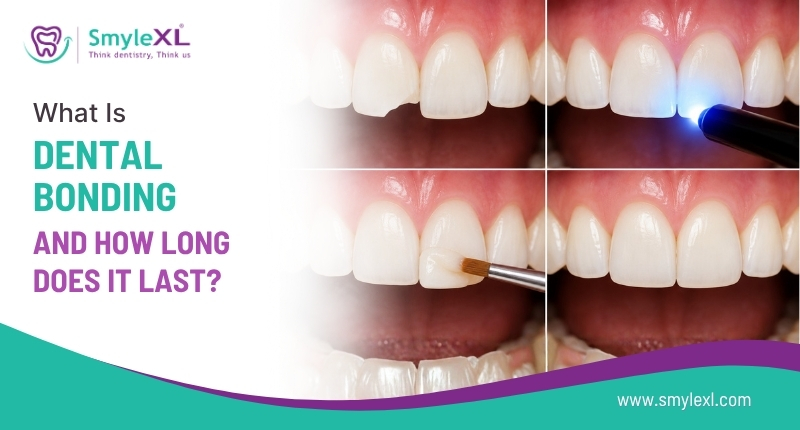
Dental Bonding is a cosmetic dental procedure where a tooth-colored resin material is applied directly onto the tooth surface to improve its appearance.
The material is carefully shaped, polished, and hardened using a special curing light.
It is commonly used for:
- Chipped teeth
- Small gaps
- Uneven tooth edges
- Minor cracks
- Tooth discoloration
- Slight shape correction
Unlike some larger cosmetic procedures, bonding usually preserves most of your natural tooth structure.
At SmyleXL Dental Clinic, Dental Bonding is often recommended for patients looking for quick smile enhancement solutions without extensive drilling.
Why is Dental Bonding Recommended?
Many cosmetic concerns can be improved:
- In fewer visits: Unlike some cosmetic treatments that require multiple appointments spread over several weeks, bonding can often be completed in a single visit. This makes it a convenient option if you want quick improvements before an important event, interview, wedding, or social occasion.
- Without surgery: Bonding is a non-surgical cosmetic procedure. There are no incisions, stitches, or lengthy recovery periods involved. The treatment is usually comfortable and allows you to return to your normal routine immediately after the appointment.
- With minimal tooth preparation: One of the biggest advantages is that very little of your natural tooth structure needs to be altered. In many cases, the dentist simply prepares the tooth surface and applies the bonding material directly. This helps preserve healthy enamel while still improving the appearance of chipped, uneven, stained, or slightly gapped teeth.
Patients often choose bonding because they want visible smile improvement without committing immediately to larger smile makeover treatment procedures.
For many people, it becomes the first step toward cosmetic smile correction.
What Problems Can Dental Bonding Fix?
Bonding works best for moderate cosmetic concerns. It is commonly used for:
- Correcting uneven teeth
- Closing small gaps
- Repairing chipped edges
- Improving tooth proportions
Many patients are surprised by how bonding magically helps in smile makeover treatment.
How is Dental Bonding Treatment Done?
- Dental Checkup: The dentist first examines your tooth and checks whether bonding is suitable for your concern.
- Shade Selection: A tooth-colored resin shade is selected to match your natural teeth.
- Tooth Preparation: The tooth surface is gently cleaned and prepared. Usually, little or no drilling is needed.
- Bonding Material Application: The dentist applies the resin material directly onto the tooth.
- Shaping the Tooth: The resin is carefully shaped to fix chips, gaps, uneven edges, or discoloration.
- Hardening With Light: A special curing light is used to harden the bonding material.
- Polishing: The tooth is polished so it looks smooth, shiny, and natural.
- Final Bite Check: Then the final check of your bite and small adjustments if needed.
How Long Does Dental Bonding Last?
The lifespan depends a lot on how well you take care of your teeth after the procedure. Unlike natural enamel or porcelain veneers, bonding material is slightly more prone to staining, chipping, or wear over time.
Several factors affect how long the bonding lasts, including:
- Your eating habits: What you eat plays a major role in the lifespan of bonding. Frequently chewing hard foods such as ice, hard candies, nuts, or using your teeth to open packets can place excessive stress on the bonded material. Over time, this may increase the risk of small chips, cracks, or wear.
- Bite pressure: Not all teeth experience the same amount of force. If you have a strong bite or tend to put extra pressure on your front teeth while biting into foods, the bonding material may wear down faster.
- Smoking or tobacco use: Smoking and tobacco products can gradually stain the bonding material. Unlike natural teeth that may respond to whitening treatments, bonded resin does not whiten in the same way. Over time, tobacco use can cause the bonded area to appear darker or discolored compared to surrounding teeth, affecting the overall appearance of your smile.
- Teeth grinding habits: If you grind or clench your teeth, especially during sleep, the constant pressure can weaken the bonded material. Teeth grinding may lead to premature wear, small fractures, or chipping of the bonding. Patients with grinding habits are often advised to wear a custom night guard to help protect both their natural teeth and the bonded areas.
- Oral hygiene maintenance: Good oral hygiene is essential for keeping bonding looking its best. Regular brushing, flossing, and professional dental cleanings help prevent plaque buildup, staining, and gum problems around the bonded tooth.
On average, bonding may last several years before needing touch-ups or replacement. Patients are guided carefully about maintenance habits to improve bonding durability.
Is Dental Bonding Part of a Smile Makeover Treatment?
A complete smile makeover treatment does not always mean veneers or major reconstruction.
Sometimes small improvements create the biggest visual difference.
Bonding may be combined with:
- Teeth Whitening
- Gum Contouring
- Dental Crowns
- Orthodontic correction
- Porcelain Veneers
Smile makeover treatment plans are customized depending on your smile goals, budget, and tooth condition.
Teeth Whitening and Bonding Often Work Together
Many smile makeover treatment plans combine bonding with Teeth Whitening.
This is because the bonding material itself does not whiten later like natural teeth.
Dentists often recommend whitening first so the bonding material can be matched to the brighter tooth shade afterward.
This creates more balanced smile enhancement solutions.
Gum Contouring Sometimes Improves Bonding Results
Sometimes the issue is not only the teeth, but it’s also the gumline.
Uneven gums may make teeth appear:
- Smaller
- Crooked
- Asymmetrical
Minor gum contouring combined with bonding can improve smile symmetry significantly.
Smile designing treatment often considers both teeth and gums together for more natural-looking results.
Bonding vs Porcelain Veneers
Many patients confuse bonding with porcelain veneers. Both improve the appearance of the smile, but they differ significantly.
Dental Bonding:
- Usually requires less tooth preparation
- Is quicker
- Costs less initially
- May need touch-ups sooner
Porcelain Veneers:
- Are stronger
- Resist staining better
- Usually last longer
- Require more preparation
Is Dental Bonding Painful?
Most patients experience little to no discomfort during bonding. Since minimal drilling is usually involved, anesthesia may not even be required in many cases. This makes Dental Bonding one of the more comfortable cosmetic dental procedures available today.
When Dental Bonding May Not Be Ideal?
Bonding may not be suitable if:
- Teeth are severely damaged
- Heavy grinding exists
- Large bite pressure affects the front teeth
- Significant alignment issues exist
In such cases, other smile correction treatment options may provide better long-term durability.
Small Smile Changes Can Create a Big Confidence Boost
Bonding is a simple way to improve the appearance of chipped, uneven, or discolored teeth while preserving most of your natural tooth structure.
The procedure begins by selecting a bonding material that closely matches your natural tooth color. The tooth is then gently prepared, and a tooth-coloured resin is carefully applied. Your dentist shapes and molds the material to blend naturally with your smile before using a special curing light to harden it. The final step is polishing the tooth to give it a smooth and natural shine.
The best part? Most patients can return to their normal daily routine immediately after treatment.
At SmyleXL Dental Clinic, we provide dental bonding treatments to help you achieve a more confident smile with minimal discomfort. Visit our dental clinic in Davanagere and book your appointment today.
FAQs
How much does dental bonding cost in India?
The cost of bonding in India varies depending on the number of teeth being treated, the complexity of the correction, and the materials used. A consultation is the best way to receive an accurate estimate based on your specific smile goals. If you are still unsure about it, then consult us at SmyleXL Dental Clinic in Davanagere.
Can dental bonding fix gaps?
Yes, bonding is commonly used to close small to moderate gaps between teeth. The tooth-colored resin is carefully shaped to fill the space and create a more even and natural-looking smile.
What is cheaper, veneers or bonding?
Bonding is generally more affordable than veneers because it requires less laboratory work and can often be completed in a single visit. However, the best option depends on your cosmetic concerns and long-term expectations.
How to cure a tooth gap permanently?
The most suitable permanent solution depends on the size and cause of the gap. Options may include bonding, orthodontic treatment, veneers, or other cosmetic dental procedures. A dentist can recommend the most effective treatment after evaluating your teeth.
Is dental bonding good for teeth?
Yes, Dental Bonding is considered a conservative cosmetic treatment because it usually requires minimal alteration of the natural tooth structure. It can effectively improve the appearance of chipped, stained, uneven, or slightly gapped teeth while preserving healthy enamel.