
Ever felt a strange, sudden tingle in your teeth while having your favorite chocolate-chip ice cream in the summer? Yes, we all think that it’s just a simple sensitivity because we ate a cold dessert. But then it starts to persist, sometimes while sipping something cold, biting into food, or even without any clear trigger. For many people, this tingling sensation in teeth feels temporary. But when it starts happening frequently, it usually points to an underlying issue that needs attention.
At SmyleXL Dental Clinic in Vadodara, patients coming for root canal treatment in Sun Pharma Road often report these symptoms without realizing that early changes like these can be linked to underlying dental concerns. Understanding the cause behind the sensation helps you choose the right treatment or other appropriate solutions before the condition worsens.
Table of Contents
ToggleWhat Does Tingling in Teeth Mean?
A tingling or unusual sensation in your teeth is often related to nerve stimulation. Inside every tooth is a sensitive inner layer that reacts to external triggers. When this layer is exposed or irritated, you may experience sensitivity to hot and cold or sudden discomfort.
While mild cases can be managed with simple tooth sensitivity relief, persistent tingling may indicate deeper issues such as nerve involvement or infection.
For a thorough diagnosis and effective root canal treatment in Sun Pharma Road, consult SmyleXL Dental Clinic.
Common Causes of Tingling in Teeth
1. Enamel Wear and Exposure
Your enamel acts as a protective shield. When it wears down, the inner layer becomes exposed, leading to enamel damage signs like sensitivity and tingling. This often requires early intervention to avoid further damage.
2. Tooth Decay
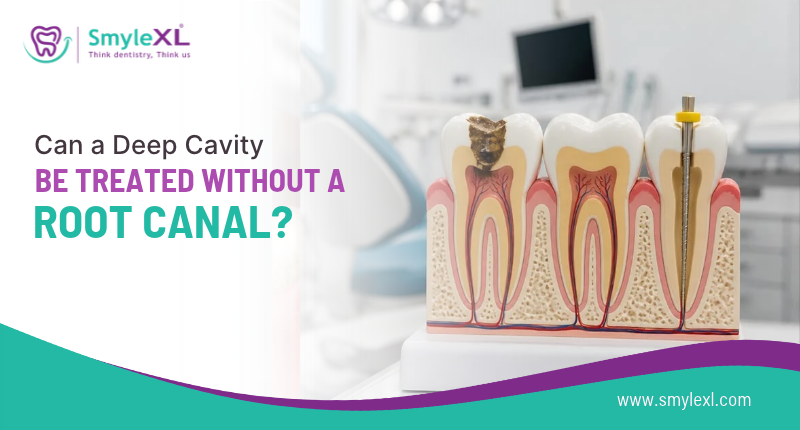
Untreated cavities gradually move deeper into the tooth. As the decay progresses, it begins affecting the nerve, causing deep cavity symptoms such as tingling, discomfort, and occasional pain.
3. Cracked or Damaged Tooth
Even a small crack can expose the inner layers of the tooth. This can lead to cracked tooth symptoms like sharp sensations when biting or chewing.
4. Nerve Irritation
When the inner pulp is irritated, it can result in nerve pain in tooth, often felt as tingling or mild throbbing. This is one of the early indicators that may require tooth nerve therapy.
5. Infection Inside the Tooth
If bacteria reach the inner pulp, it can lead to an infection inside tooth. At this stage, the tingling may progress to pain, swelling, or sensitivity that does not go away.
6. Gum-Related Issues
Sometimes, the problem is not inside the tooth but around it. Gum swelling near tooth can expose sensitive areas, leading to discomfort and tingling sensations.
When Tingling Becomes a Warning Sign
Occasional sensitivity is common. But certain patterns indicate something more serious.
Watch out for:
- Pain that comes and goes without a clear reason
- Sharp pain while eating or biting
- Discomfort while chewing
- Pain at night in teeth that disturbs sleep
- A constant throbbing tooth sensation
These are not just sensitivity issues. They are often nerve irritation signs that may require professional evaluation. And possibly if you need, your dentist, or if you visit SmyleXL, we might recommend root canal treatment in Sun Pharma Road.
How Is Sensitivity Treated?
Treatment depends on the root cause of the tingling sensation. At SmyleXL Dental Clinic, Vadodara, the focus is always on identifying the exact issue before starting root canal treatment in Sun Pharma Road.
1. Managing Mild Sensitivity
If the issue is limited to enamel wear, dentists may recommend desensitizing agents and proper tooth sensitivity relief techniques.
2. Treating Cavities
For early decay, fillings act as a cavity damage solution, preventing the problem from reaching deeper layers.
3. Addressing Deep Decay
When decay progresses, a deep decay solution is required. This may involve removing infected tissue and restoring the tooth.
4. Root Canal Treatment
If the nerve is affected, root canal treatment becomes necessary. This procedure focuses on removing infection, cleaning the canals, and preserving the natural tooth through effective endodontic care.
5. Infection Management
For advanced cases, proper infected tooth care and inner tooth infection care are essential to control the spread and restore oral health.
Why Early Treatment Matters?
Ignoring tingling can allow the problem to progress from mild sensitivity to severe infection. Early care helps:
- Prevent worsening untreated decay symptoms
- Avoid swelling around tooth
- Reduce the need for complex procedures
- Provide a faster severe toothache solution
Timely diagnosis at our clinic also ensures that simpler tooth pain procedure options can be used instead of advanced root canal treatment in Sun Pharma Road later.
Can Tingling Go Away on Its Own?
In some cases, temporary sensitivity may reduce with better oral care. However, if the tingling is frequent or worsening, it usually does not resolve without treatment.
When the cause involves deeper layers of the tooth, only professional care like tooth nerve therapy or root canal treatment in Sun Pharma Road can provide lasting relief.
Daily Habits That Can Help
While treatment addresses the root cause, daily care plays an important role in preventing recurrence.
- Brush gently to protect enamel
- Avoid very hot or cold foods if sensitivity is present
- Maintain regular dental check-ups
- Address small issues before they become serious
- Follow professional advice for ongoing tooth sensitivity relief
These steps help protect your teeth and reduce the chances of future discomfort.
When Should You Visit a Dentist?
Do not delay your visit if you notice:
- Persistent tingling or sensitivity
- Pain that increases over time
- Visible damage or cracks
- Swelling or discomfort around a tooth
These symptoms often indicate deeper problems that require timely endodontic care and proper diagnosis.
If you can relate to these symptoms, consult our experts at SmyleXL Dental Clinic for the right guidance and root canal treatment in Sun Pharma Road.
A Signal You Should Not Ignore
A tingling tooth is not just a minor inconvenience. It is often your body’s way of signaling that something is changing inside your tooth.
At SmyleXL Dental Clinic, Sun Pharma Road, early diagnosis helps patients avoid unnecessary pain and complex procedures. Whether it is simple sensitivity or a deeper infection, the right approach, including root canal treatment in Sun Pharma Road, ensures long-term comfort and protection.
Because when your teeth start sending signals, paying attention at the right time can make all the difference.
FAQs
How can I stop the tingling sensation in my teeth?
Stopping a tingling sensation in the teeth starts with identifying and managing the underlying cause. Using a soft-bristled toothbrush and fluoride toothpaste can help protect weakened enamel and reduce irritation. Gentle brushing techniques are important, especially if you notice sensitivity to hot and cold, as aggressive brushing can worsen the problem. Regular flossing and routine dental visits also play a key role in long-term care. If the issue persists, your dentist may suggest specific treatments as part of a tooth sensitivity relief plan, which may include desensitizing agents or protective coatings to strengthen the tooth surface.
Why do my teeth feel tingly all the time?
A constant tingling feeling often indicates irritation within the tooth structure. This can happen due to enamel wear, minor cracks, or inflammation of the inner pulp. Conditions like pulpitis or early decay can expose the inner layers, leading to a tingling sensation in teeth that may come and go. In some cases, this is an early sign of deeper issues that require infected tooth care before they progress further. Addressing the cause early helps prevent discomfort from turning into more severe pain or long-term damage.
What vitamins help reduce teeth sensitivity?
Certain vitamins and minerals play an essential role in maintaining strong teeth and reducing sensitivity. Calcium and vitamin D help strengthen enamel, while vitamin B12 supports nerve health. Deficiencies in these nutrients can contribute to signs of enamel damage signs, making teeth more prone to irritation. Including a balanced diet or supplements, if advised, can support overall dental health and complement treatments focused on tooth sensitivity relief, especially in patients who experience frequent discomfort.
What helps relieve nerve pain in a tooth quickly?
To manage sudden nerve pain, temporary remedies can provide relief until professional treatment is available. Applying a cold compress helps reduce inflammation, while rinsing with warm salt water can clean the area and soothe irritation. These steps can ease nerve irritation signs, but they do not treat the root cause. For lasting results, proper tooth nerve therapy is required to eliminate infection and restore the health of the affected tooth.
How can I calm irritated tooth nerves at home?
Calming irritated nerves involves reducing triggers and maintaining proper oral care. Rinsing with warm salt water and avoiding extremely hot, cold, or sugary foods can help manage pain that comes and goes. Desensitizing toothpaste may also reduce discomfort over time. However, if the irritation continues, it may indicate deeper issues that need professional attention. In such cases, a tooth pain procedure may be necessary to address the underlying cause and provide long-term relief.