
Dental crowns are a game-changer in the world of restorative dentistry. Whether you’re looking to restore a decayed tooth, cover a cracked one, or complete a dental implant, choosing the right crown material is essential. With a variety of options available, it’s important to understand the differences between the materials, as well as their benefits and potential drawbacks.
At SmyleXL Dental Clinic, the team specializes in crown and bridge treatment, offering personalized guidance to help you make the right decision for your smile. The key is knowing which crown option is most suited to your specific needs, be it for aesthetic reasons, durability, or cost-effectiveness.
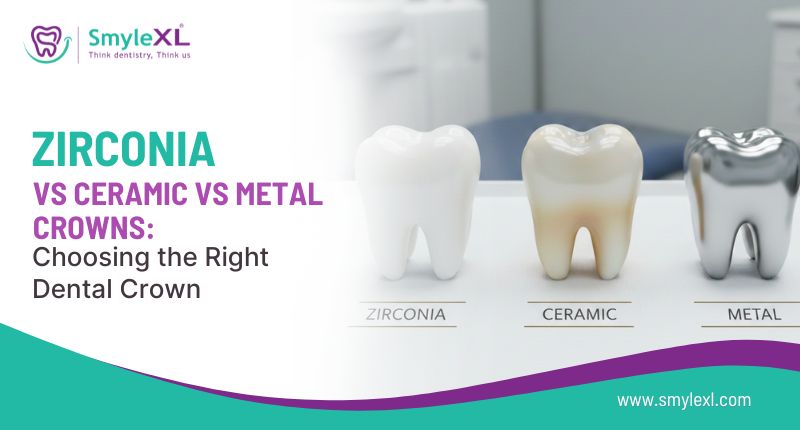
This blog will help you to know the three most common crown materials: Zirconia, Ceramic, and Metal. The benefits of each and how to make an informed choice based on your unique dental needs.
Table of Contents
ToggleZirconia Crowns: A Durable and Natural-Looking Option
Zirconia crowns are one of the most popular choices in modern dentistry, known for their incredible strength and natural-looking appearance. If you’re looking for a crown that’s durable and aesthetically pleasing, zirconia could be your best bet. This material is particularly popular for back teeth, where strength is a top priority.
Advantages of Zirconia Crowns:
- Durability: Zirconia is one of the hardest materials used in dentistry, making it highly resistant to fractures and wear. If you have a heavily used molar or need a long-lasting solution, zirconia crowns are a reliable option.
- Natural Appearance: Zirconia crowns can be made to match the natural color of your teeth, offering a more seamless look, especially for visible teeth.
- Biocompatibility: Zirconia is well-tolerated by the body and has a low risk of allergic reactions, making it suitable for patients with sensitive gums or allergies to other materials.
However, zirconia crowns can be more expensive than other options due to the advanced materials and technology involved in their creation. Despite this, their longevity and aesthetic quality make them an investment worth considering.
Ceramic Crowns: A Perfect Fit for Aesthetic Appeal
Ceramic crowns are another excellent option for those looking for a natural look, especially for front teeth. The key benefit of ceramic crowns is their ability to closely mimic the appearance of natural teeth, making them a great choice for patients who want a crown that blends seamlessly with their smile.
Advantages of Ceramic Crowns:
- Aesthetic Excellence: Ceramic crowns offer the most natural appearance among all crown materials. They are translucent, which helps them blend perfectly with the surrounding teeth, making them ideal for visible areas.
- Biocompatible: Like zirconia, ceramic crowns are biocompatible, which means they won’t cause any allergic reactions or irritation to the gums.
- Minimal Wear on Opposing Teeth: Ceramic crowns are gentle on the opposing teeth, making them ideal for people who have issues with teeth grinding or jaw clenching.
However, ceramic crowns are not as strong as zirconia or metal crowns, which means they may not be the best choice for patients who need a crown for back teeth, where more pressure is applied.
Metal Crowns: The Tried and Tested Option for Durability
Metal crowns, which are typically made from alloys like gold, palladium, or a combination of metals, have been used for dental crowns for many years. These crowns are known for their durability, especially in areas where strength is paramount, such as the back molars.
Advantages of Metal Crowns:
- Durability and Strength: Metal crowns are incredibly durable and can withstand the immense pressure of chewing and grinding. They are less likely to crack, chip, or break over time, making them perfect for back teeth.
- Long-Lasting: Metal crowns have a longer lifespan than other crown materials, often lasting 15 years or more if properly maintained.
- Less Tooth Reduction Required: Metal crowns are thinner compared to ceramic or zirconia crowns, which means less of your natural tooth needs to be removed during preparation.
Despite these advantages, metal crowns are more noticeable due to their color, and many patients prefer a more aesthetic option for their visible teeth. This is why they are commonly used for the back teeth, where appearance is less of a concern.
Which Crown is Right for You? Factors to Consider
Choosing the right crown material depends on several factors unique to your dental health and personal preferences. Here are a few key aspects to consider when deciding between zirconia, ceramic, and metal crowns:
- Location of the Tooth: If the crown is for a back molar, strength and durability are the top priorities. Metal crowns are ideal in this case. However, for visible teeth, zirconia or ceramic crowns are more suitable due to their aesthetic appeal.
- Aesthetic Concerns: If you are concerned about how your crown will look, ceramic or zirconia is the way to go. Both offer a natural look that blends well with the rest of your teeth, while metal crowns stand out due to their color.
- Durability Needs: For patients who suffer from teeth grinding (bruxism) or need a crown in a highly stressed area, zirconia or metal crowns are preferable due to their added strength.
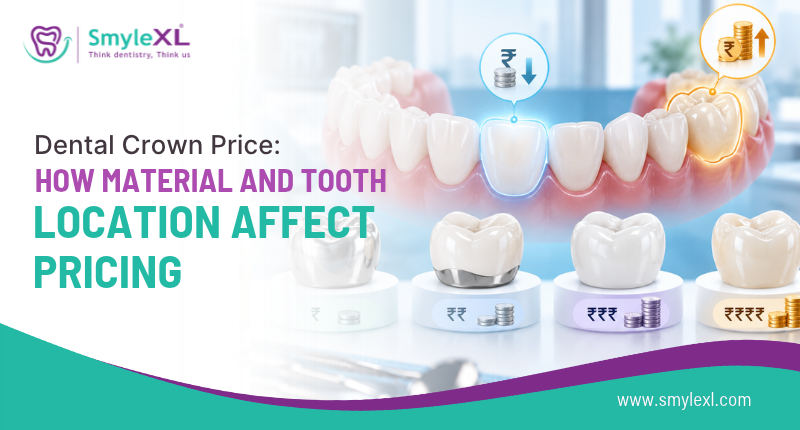
- Budget: Ceramic and zirconia crowns tend to be more expensive due to the materials and technology required. Metal crowns, while often less costly, are still a durable and reliable option, particularly for those who need a crown for a back tooth.
FAQs
How long do dental crowns last?
The lifespan of a dental crown and bridge treatment depends on the material used. Ceramic crowns typically last 5-15 years, zirconia crowns last 10-15 years, and metal crowns can last 15 years or longer. Proper care, such as regular brushing, flossing, and avoiding hard foods, can significantly extend the life of your crown.
Are dental crowns painful to get?
No, dental crowns are not painful to get, and most patients report feeling little to no discomfort during the procedure. Even if an individual is uncomfortable, the dentist will numb the area before placing the crown. After the crown is placed, mild sensitivity or discomfort may occur, but this typically resolves in a few days.
How do I know which crown material is best for me?
The best crown material depends on factors such as the location of the tooth, aesthetic concerns, durability needs, and budget. Your dentist at SmyleXL Dental Clinic will help guide you through the options based on your individual needs and preferences.
Can a dental crown fall off?
While dental crowns are designed to be durable, they can occasionally become loose or fall off if they are damaged or if the underlying tooth experiences additional wear. If this happens, it’s essential to visit your dentist as soon as possible to prevent further complications.
Choosing the Right Crown for Your Smile…
Whether you choose zirconia, ceramic, or metal crowns, each material has its unique set of benefits to offer. The best choice for you will depend on your dental needs, aesthetic preferences, and budget. At SmyleXL Dental Clinic, our dedicated team will work with you to determine the most suitable crown material to restore your smile with confidence.
Are you considering a crown and bridge treatment for a damaged tooth or looking to restore your smile? Contact SmyleXL Dental Clinic today to schedule a consultation with our experienced team, and let us guide you in choosing the best dental crown for your needs. Your smile deserves the best care!