
Oral discomfort can appear in different forms, and not every issue looks serious at first. Some people notice a mild burning sensation; others feel pain when eating or speaking; and a few may ignore small changes, assuming they will heal on their own. However, infections like a tooth abscess or persistent sores can gradually worsen if left untreated, making timely oral sore relief important.
At SmyleXL Dental Clinic, Nallagandla, Hyderabad, many patients visit with concerns that begin as minor irritation but later turn into deeper infections. Understanding the symptoms, causes, and the right mouth ulcer treatment can help you take timely action and avoid complications. Early diagnosis combined with the right ulcer treatment plan can significantly reduce discomfort and support quick healing for oral sores.
Table of Contents
ToggleWhat Is a Tooth Abscess?
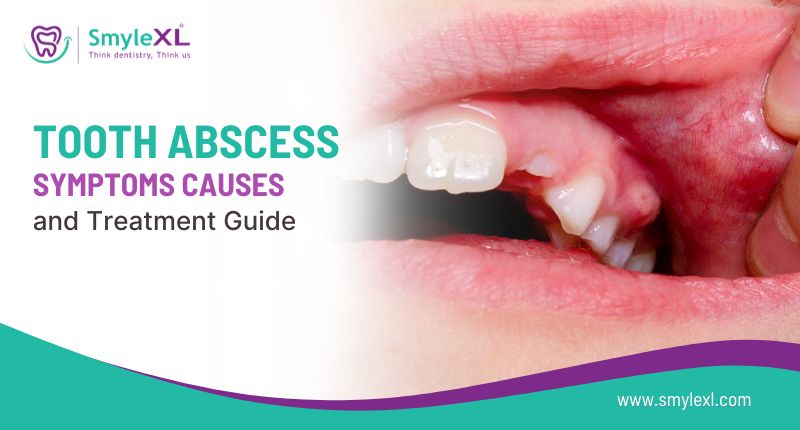
A tooth abscess is a pocket of infection caused by bacteria. It usually develops inside the tooth or in the surrounding gums due to untreated cavities, injury, or poor oral hygiene. This infection can lead to swelling, pain, and even pus formation if not addressed early.
In some cases, the infection may also be accompanied by red inflamed patches or a lip and tongue sore, sometimes appearing as small lesions on tongue, making it difficult to differentiate between ulcers and deeper dental issues. This is where professional evaluation becomes important, as both conditions may require different treatments for ulcers or approaches to infection management, including proper painful oral lesion care.
Common Symptoms You Should Not Ignore
A tooth abscess or severe oral sore often presents with noticeable symptoms. These signs may vary in intensity but usually worsen over time.
Common symptoms include:
- Persistent pain while eating or speaking
- Swelling around the gums or face
- Sensitivity to hot and cold foods
- Presence of pus or bad taste in the mouth
- Difficulty opening the mouth or chewing
- Discomfort while talking
In many patients, these symptoms may overlap with white painful sores, which can delay proper diagnosis. Seeking timely treatment for mouth ulcers ensures that both surface-level sores and deeper infections are managed properly, improving oral wound healing.
What Causes Tooth Abscess and Oral Sores?
Understanding the root cause helps in choosing the right treatment. Tooth abscesses and oral sores can develop due to multiple reasons.
- Bacterial Infection
Untreated cavities or gum infections allow bacteria to enter deeper layers of the tooth, leading to abscess formation. - Poor Oral Hygiene
Irregular brushing and flossing lead to plaque buildup, increasing the risk of infection and delaying oral wound healing. - Nutritional Deficiencies
Certain vitamin deficiency signs, especially lack of B-complex vitamins or iron, can contribute to recurring sores and weak oral tissues. In such cases, supportive treatment for mouth ulcers may include dietary adjustments along with an appropriate canker sore remedy. - Physical Irritation
Sharp or broken teeth can cause continuous friction, leading to irritation from sharp teeth and the development of painful lesions that may require a sore spot inside cheek solution. - Stress and Lifestyle Factors
Many patients experience stress related sores, which may appear as small ulcers but can become more frequent if the underlying cause is not addressed. - Recurring Conditions
Some individuals suffer from frequent sores due to underlying conditions, making it important to identify recurring sores causes early and plan long-term mouth ulcer treatment and a proper recurring oral sore solution.
Tooth Abscess vs Mouth Ulcers
It is common to confuse a tooth abscess with a mouth ulcer because both can cause pain and discomfort. However, they are different conditions and require different approaches.
A tooth abscess is a bacterial infection that may require immediate dental intervention.
Mouth ulcers are surface-level sores that often heal on their own but may still need oral sore relief support.
Persistent or severe ulcers may require targeted mouth ulcer treatment, especially when healing is delayed beyond the expected healing time for oral sores, and may involve structured sore management.
How Is It Treated?
Treatment depends on the severity and cause of the problem. At SmyleXL Dental Clinic, Nallagandla, Hyderabad, treatment is customized for each patient.
For Tooth Abscess:
- Draining the infection
- Root canal treatment if the tooth can be saved
- Antibiotics to control infection
- Extraction in severe cases
For Mouth Ulcers:
- Topical gels and medications for painful oral lesion care
- Antiseptic rinses to promote healing
- Professional guidance on canker sore remedy
- Nutritional support where required
A structured mouth ulcer treatment plan focuses not just on relief but also on preventing recurrence through proper sore management and long-term care.
How Long Does Healing Take?
The healing time for oral sores usually ranges from 7 to 14 days for mild cases. However, deeper infections or recurring ulcers may take longer to heal and require consistent treatment for mouth ulcers.
Healing depends on:
- Severity of the condition
- Oral hygiene habits
- Underlying health conditions
- Timely intervention
Following the recommended treatment for mouth ulcers ensures quick healing of oral sores and reduces the risk of recurrence.
When Should You See a Dentist?
You should not delay a dental visit if you notice:
- Persistent swelling or pain
- Repeated small lesions on tongue or inside the mouth
- Difficulty eating or speaking
- Sores that do not heal within two weeks
These symptoms may require a proper recurring oral sore solution along with professional ulcer treatment to prevent further complications.
Daily Care Tips for Faster Recovery
Supporting your treatment with the right habits can speed up healing and reduce discomfort.
- Avoid spicy and acidic foods that increase difficulty eating spicy food
- Maintain gentle oral hygiene practices
- Stay hydrated to support tissue repair
- Avoid touching or irritating the sore area
- Follow prescribed medications regularly
These simple steps complement your mouth ulcer treatment, improve oral wound healing, and help in managing stress related sores effectively.
Preventing Future Problems
Prevention is always better than repeated treatment. Maintaining oral health reduces the chances of both abscesses and ulcers.
- Brush and floss regularly
- Address dental issues early
- Manage stress effectively
- Maintain a balanced diet rich in essential nutrients
- Visit your dentist for routine check-ups
These habits support long-term oral health and reduce dependency on repeated mouth ulcer treatment while minimizing the chances of white painful sores.
A Condition That Needs Timely Attention
Tooth abscesses and oral sores may begin as minor discomfort, but they can escalate if ignored. Early recognition and the right mouth ulcer treatment approach can prevent complications and reduce pain quickly.
At SmyleXL Dental Clinic, Nallagandla, Hyderabad, patients receive personalized care focused on both immediate relief and long-term prevention. Whether it is a simple sore or a deeper infection, the right treatment for ulcers ensures better healing, comfort, and overall oral health.
Because when it comes to oral health, even small symptoms can signal a bigger issue. Acting early with the right treatment, including a suitable sore spot inside cheek solution and an effective canker sore remedy, can make all the difference.
FAQs
How to cure a mouth ulcer quickly?
Quick mouth ulcer treatment focuses on reducing pain, controlling irritation, and speeding up healing. Simple remedies like warm saltwater rinses help clean the area and reduce bacteria, which supports oral sore relief and prevents further irritation while eating or speaking. It is equally important to avoid spicy, acidic, and crunchy foods, as they can worsen the ulcer and delay recovery. While these methods can significantly reduce discomfort within a couple of days, consistent care is what ensures proper healing.
What are the main causes of mouth ulcers?
Mouth ulcers can develop due to a combination of local irritation and internal health factors. One of the most common triggers is minor trauma, such as accidental cheek biting or irritation from sharp teeth or braces. In many cases, recurring sores causes are linked to stress, fatigue, or nutritional deficiencies like vitamin B12, iron, or folic acid. Certain foods, especially spicy or acidic items, can also trigger or worsen ulcers. Hormonal changes, immune responses, or sensitivity to specific toothpaste ingredients may contribute as well. Identifying the underlying cause is important, as effective mouth ulcer treatment depends on addressing both the symptom and the trigger.
Can a mouth ulcer heal in 2 days?
Complete healing of a mouth ulcer within two days is uncommon, but noticeable improvement in pain and irritation can happen quickly with the right mouth ulcer treatment. Most ulcers naturally take about 7 to 14 days to heal, depending on their size and cause. Proper care, such as maintaining oral hygiene, avoiding irritants, and using soothing remedies, can reduce the healing time for oral sores and make the ulcer less painful within a short period. If an ulcer persists beyond two weeks or keeps returning frequently, it may indicate an underlying issue that needs professional evaluation.
What foods should I avoid with a mouth ulcer?
Diet plays a crucial role in both triggering and managing ulcers. Foods that are acidic, spicy, salty, or very hot can increase irritation and worsen the burning sensation associated with ulcers. Citrus fruits, tomatoes, fried snacks, and carbonated drinks are common culprits that can delay healing. Hard or crunchy foods can also cause friction against the ulcer, making it more painful. During mouth ulcer treatment, it is better to stick to soft, bland foods like yogurt, khichdi, smoothies, and boiled vegetables. This reduces irritation and allows the affected tissue to heal more comfortably.
Which deficiency causes mouth ulcers?
Nutritional deficiencies are a major contributing factor to recurrent ulcers. A lack of essential nutrients like vitamin B12, iron, and folic acid can weaken the oral lining, making it more prone to damage and slower to heal. These deficiencies are often recognized as vitamin deficiency signs, especially when ulcers appear frequently or take longer to recover. In such cases, mouth ulcer treatment should not only focus on topical relief but also include dietary improvements or supplements as recommended by a healthcare professional. Addressing the root cause helps reduce recurrence and supports long-term oral health.