
That strange pressure near the back of the upper jaw often starts quietly. At first, it feels like mild irritation while chewing. Then suddenly, eating becomes uncomfortable, brushing near the area feels painful, and even yawning starts pulling attention toward the tooth. Many people only realize how disruptive wisdom teeth can become once the pain begins interfering with daily life.
At SmyleXL Dental Clinic, patients coming for upper wisdom tooth removal are usually more worried about the healing afterward than the actual procedure. Questions about swelling, eating, sleeping, and recovery timelines are extremely common. Many also assume healing will be long and painful, especially if surgery is involved.
In reality, recovery is often smoother than expected when proper aftercare is followed. With timely treatment, good oral hygiene, and a few important precautions, most people gradually return to normal activities much faster than they anticipate.
Table of Contents
ToggleWhy Upper Wisdom Teeth Often Need Removal
Some wisdom teeth grow normally without causing problems. But many upper wisdom teeth erupt at awkward angles, remain partially trapped, or push against nearby teeth.
This may lead to:
- pain while chewing
- food getting stuck near the gums
- repeated infection
- swelling near the upper jaw
- difficulty cleaning the area properly
- pressure on surrounding teeth
In such cases, dentists may recommend upper wisdom tooth surgery before the condition worsens further.
Is Upper Wisdom Tooth Removal Easier Than Lower Wisdom Teeth?
In many situations, yes.
The upper jawbone is softer compared to the lower jaw, which often makes upper molar extraction easier and less stressful. Recovery is usually smoother, too.
Compared to lower wisdom teeth, upper teeth often involve:
- less pressure during extraction
- reduced jaw stiffness
- quicker gum healing
- milder swelling
- faster recovery after removal
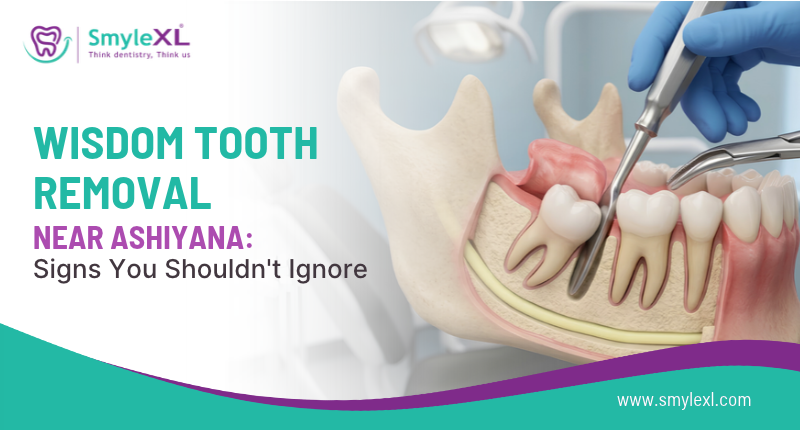
However, deeply trapped teeth may still require advanced wisdom tooth removal techniques or surgical third molar extraction, depending on the tooth position.
What Happens During the Procedure?
We use modern dentistry for this treatment, which has made the safe tooth extraction procedure in Viman Nagar much more comfortable than before.
Before starting, the dentist evaluates:
- tooth position
- root shape
- nearby sinus area
- surrounding bone condition
Depending on the case, the procedure may involve:
- simple upper molar extraction
- sectioning the tooth into smaller pieces
- removing gum tissue around the tooth
- Impacted tooth removal if the tooth is trapped inside the gums
For difficult cases, oral surgery for wisdom tooth extraction may be required to safely access the tooth.
Local anesthesia numbs the area completely, so patients usually feel pressure but not sharp pain during the procedure.
The First 24 Hours Are Extremely Important
The body immediately begins healing after upper wisdom tooth removal.
A protective blood clot after tooth extraction forms inside the socket. This clot protects the bone and nerves underneath while healing begins. If this clot gets dislodged, it leads to a painful condition known as dry socket.
During the first day, patients commonly notice:
- mild bleeding
- numbness
- slight swelling
- pressure near the extraction site
- mild difficulty opening the mouth fully
This is completely normal.
For smoother wisdom tooth extraction recovery, dentists usually recommend:
- resting properly
- avoiding vigorous rinsing
- not spitting repeatedly
- applying cold packs gently
- taking medications on time
Protecting the clot during the first few days is one of the most important parts of dry socket prevention.
How Long Does Healing Usually Take?
Healing time depends on:
- tooth position
- complexity of extraction
- oral hygiene
- smoking habits
- overall health
In most cases:
- discomfort improves within 3 to 5 days
- swelling reduces within a week
- soft tissue healing improves within 2 weeks
- deeper healing continues gradually afterward
Most people undergoing recovery after surgery notice steady improvement after the third or fourth day.
Patients often expect weeks of severe pain, but many feel much better sooner than anticipated.
Swelling Is Normal After Surgery
One of the most common concerns after surgical third molar extraction is swelling.
Mild to moderate swelling after extraction generally peaks within 48 hours before slowly reducing.
Helpful tips for wisdom tooth swelling relief include:
- using cold compresses
- keeping the head elevated
- avoiding excessive talking
- staying hydrated
- taking medications regularly
Mild puffiness is normal. However, worsening swelling after several days should still be checked by the dentist.
Eating Feels Different for a Few Days
Chewing near the surgical area may feel uncomfortable initially.
During early recovery after removal, softer foods are easier to manage.
Common foods to eat after surgery include:
- curd
- khichdi
- soups
- mashed potatoes
- smoothies
- bananas
- soft rice
Crunchy, spicy, or hard foods may irritate the healing area and delay gum healing.
Drinking through straws should also be avoided because it may disturb the blood clot after tooth extraction.
Why Dry Socket Happens
Many people worry about dry socket after impacted tooth removal.
Dry socket happens when the protective clot becomes dislodged too early, exposing the bone underneath.
This may happen due to:
- smoking
- forceful rinsing
- using straws
- repeated spitting
- poor aftercare habits
Symptoms may include:
- severe throbbing pain
- bad taste in the mouth
- exposed bone inside the socket
- worsening pain after initial improvement
Good dry socket prevention habits usually reduce this risk significantly.
Managing Pain Without Panic
Most patients expect unbearable pain after upper wisdom tooth surgery, but discomfort is usually manageable.
People commonly describe:
- soreness
- tightness near the jaw
- pressure while chewing
- mild throbbing
Helpful tips for managing pain after removal include:
- taking medications on time
- avoiding hard foods
- resting properly
- applying cold compresses
- keeping the mouth clean gently
Pain usually improves steadily rather than worsening continuously.
Jaw Stiffness Usually Improves Gradually
Temporary jaw stiffness after oral surgery for wisdom tooth extraction is fairly common.
Patients may notice:
- tightness while yawning
- discomfort while chewing
- mild difficulty opening the mouth fully
This happens because nearby muscles become irritated during healing.
The stiffness generally improves gradually as swelling reduces and healing progresses.
Minor Bleeding Can Still Look Scary
A small amount of bleeding post extraction is normal during the first few hours.
Patients are usually advised to:
- bite gently on gauze
- avoid hot beverages initially
- avoid forceful rinsing
- rest properly
Bright red continuous bleeding for many hours should still be reported to the dentist.
Smoking and Alcohol Slow Healing
Smoking reduces the blood supply near the surgical site and delays healing significantly.
Alcohol may irritate healing tissue and interfere with medications as well.
For smoother recovery after surgery, dentists usually advise avoiding:
- smoking
- alcohol
- tobacco chewing
- vaping
Even temporary avoidance during the first week can improve healing quality.
Upper Wisdom Teeth Often Heal Faster Than Expected
Many frightening online stories make patients assume recovery will be terrible.
In reality, patients visiting SmyleXL Dental Clinic for upper wisdom tooth removal in Viman Nagar, Pune often notice:
- swelling reduces steadily
- eating becomes easier within days
- pain medicines become less necessary quickly
- normal activities return sooner than expected
This is especially true when treatment is done before severe infection develops.
Keeping the Area Clean Helps Healing
Keeping the surgical area clean without disturbing the clot is extremely important.
Dentists often suggest:
- gentle saltwater rinses after 24 hours
- careful brushing around the area
- avoiding food accumulation near the socket
Good hygiene improves wisdom tooth extraction recovery and lowers infection risk.
Ignoring oral hygiene completely may delay healing significantly.
Early Treatment Usually Makes Recovery Easier
One major mistake many people make is waiting too long after symptoms begin.
Ignoring repeated swelling or pain may eventually turn a simple upper molar extraction into a more difficult impacted tooth removal procedure.
Early treatment often means:
- easier extraction
- shorter healing time
- less swelling
- smoother recovery after removal
- lower infection risk
At SmyleXL Dental Clinic in Viman Nagar, many patients feel relieved after treatment because the discomfort they had tolerated for months finally starts improving within days.
A Smoother Recovery Often Depends on Good Aftercare
Most people fear the recovery more than the actual procedure. But in many situations, healing after upper wisdom tooth removal progresses comfortably when aftercare instructions are followed properly.
Good rest, softer foods, hydration, medications, and patience during the first few days often make a major difference. At SmyleXL Dental Clinic, patients are usually surprised by how manageable wisdom tooth extraction recovery feels once swelling begins to reduce and normal routines slowly return.
With timely treatment and proper care, most people recover far more smoothly than they initially expect.
FAQs
How many days does it take to heal after upper wisdom tooth removal?
Initial healing after upper wisdom tooth removal usually improves within 7 to 10 days. Proper oral hygiene, medications, and good dry socket prevention habits help speed up recovery.
What should I avoid after upper wisdom tooth extraction?
Avoid smoking, drinking through straws, aggressive rinsing, and hard foods after upper wisdom tooth surgery. These habits may disturb the blood clot after tooth extraction and delay healing.
Do top wisdom teeth heal faster?
Yes, upper teeth often heal faster because the upper jawbone is softer. Many patients experience less swelling after extraction and a smoother aecovery after removal compared to lower wisdom teeth.
How painful is upper wisdom tooth removal?
Modern safe tooth extraction procedure methods usually make the treatment comfortable. Mild soreness and jaw stiffness afterward are common but manageable with medications and proper care.
Is upper wisdom tooth removal easier?
In many situations, yes. Upper teeth are often easier to remove than lower wisdom teeth. However, deeply trapped teeth may still require advanced wisdom tooth removal or oral surgery for wisdom tooth extraction.