
Did you know that our wisdom teeth are an evolutionary leftover from our ancestors who needed extra grinding power to chew a rough, raw diet? Well, they work well only if they come out fine! The real pain starts when they don’t. In such cases, people often ignore the signs and leave the tooth untreated until the problem becomes severe.
If you are experiencing pain from a wisdom tooth, SmyleXL Dental Clinic in Ashiyana, Lucknow can help. The people can reach out to the team here to get help if you are considering wisdom tooth removal near Ashiyana. In this blog, we will discuss the signs you shouldn’t ignore, the process, and aftercare for wisdom tooth removal. Read on to learn more!
Table of Contents
ToggleWhat Are Wisdom Teeth and Why Do They Need Removal?
Wisdom teeth are the set of molars that usually come in between the ages of 17 and 30. Because they erupt later in life, their eruption and growth can be tricky. The limited jaw space often causes them to erupt incorrectly, leading to pain, infection, or other dental concerns.
If the discomfort persists, it may affect nearby teeth. In that case, they may need to be removed. If you are looking for a good option, Dr. Ankit Bahal and his team at SmyleXL Dental Clinic, Ashiyana, Lucknow can help you with a detailed consultation.
Here are the cases where you may need to consult an expert.
Impacted Wisdom Teeth
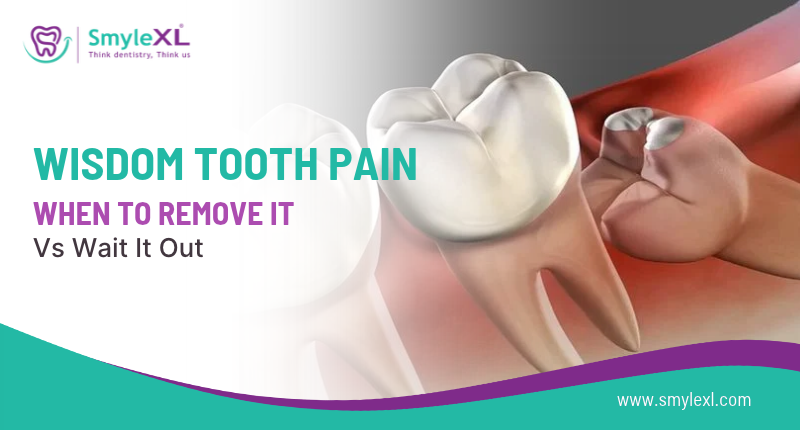
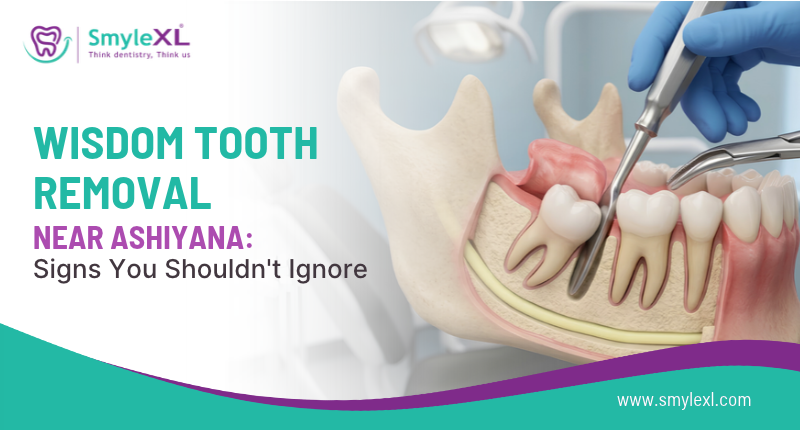
An impacted wisdom tooth doesn’t fully come out because there isn’t enough space. These teeth can stay partly covered by gum tissue or bone. As a result, they are harder to clean. This can increase the risk of bacterial infection or discomfort.
A dentist uses dental X-rays to check tooth position and determine the best treatment. Depending on the case’s complexity, treatment might include wisdom tooth extraction, third molar extraction, or wisdom tooth surgery.
Repeated Pain, Swelling, or Infection
Pain, swelling, or infection around the back molars can indicate that a wisdom tooth is creating problems. Trapped food and bacteria around partially erupted teeth can lead to infection and increase the risk of complications.
During an initial consultation, the dentist considers several factors, such as the location of the teeth, the health of the mouth, and age considerations. These factors help decide removal of wisdom teeth or if another treatment option is better. This careful check helps ensure timely care and reduces the risk of infection.
Signs You Should Consider Wisdom Tooth Removal
While the signs start subtly, ignoring them over time can be harmful. Here are the signs to watch for.
Persistent Pain Around the Back Teeth
Persistent pain in the back of your mouth can signal a wisdom tooth issue. If the discomfort persists despite temporary pain-relief measures, a dental assessment can help figure out the cause and determine whether wisdom tooth extraction is needed.
Swollen Gums or Difficulty Cleaning the Area
Partially erupted wisdom teeth can cause problems, such as food getting stuck and eventually trapping bacteria, increasing the risk of bacterial infection. Swollen, tender, or bleeding gums around the tooth may indicate the need for treatment.
Tooth Decay or Damage to Nearby Teeth
Wisdom teeth at the back of the mouth can be hard to reach while brushing and flossing. This makes them more likely to get decayed. Sometimes these teeth can press against nearby teeth. Over time, this pressure might cause damage.
A dental assessment can detect decay or identify any pressure on surrounding teeth. It can also help determine whether removing the wisdom teeth is appropriate.
Jaw Discomfort or Difficulty Opening the Mouth
An impacted or infected wisdom tooth can sometimes cause jaw stiffness, discomfort while chewing, or difficulty opening the mouth. These symptoms may occur when inflammation spreads around the tooth or affects surrounding tissues.
Swelling of Face
Swelling near the cheeks, jaw, or face can occur when a wisdom tooth is stuck or impacted. This may signal an infection or irritation. See a dentist for a checkup.
Ignoring these major signs can increase your risk of dental issues. If removal is recommended, SmyleXL Dental Clinic offers wisdom tooth removal near Ashiyana, Lucknow, with treatment planned according to the position and condition of the tooth.
What to Expect During Wisdom Tooth Removal?
At SmyleXL Dental Clinic in Ashiyana, the wisdom tooth removal process depends on the tooth’s position, condition, and the complexity of the case. A proper evaluation helps the dentist choose the safest removal approach.
Initial Consultation and Treatment Planning
During the initial consultation, the specialist looks at the wisdom tooth and reviews your symptoms. X‑rays help the specialist see the wisdom tooth’s position, its roots, and whether it is impacted before deciding on the treatment plan.
Selecting the Right Extraction Technique
The extraction technique depends on whether the tooth has erupted normally or is impacted. For a wisdom tooth that’s easy to reach, a simple wisdom tooth extraction might be all that is needed. If the tooth is impacted, a more complex procedure, such as surgical extraction, may be required to remove it safely.
Anesthesia and Removal Procedure
Anesthesia helps keep you comfortable during the procedure. Local anesthesia is often used. However, general anesthesia might be chosen for more complicated cases. After a third molar extraction, follow the dentist’s aftercare instructions. This supports the healing process and reduces further risk.
Wisdom Tooth Removal Recovery and Aftercare
After wisdom tooth removal, following aftercare steps supports smooth healing and reduces the risk of complications. The recovery time varies depending on how complex the procedure was and how quickly each person’s body heals.
Healing Process After Removal
Recovery from wisdom tooth removal involves healing at the extraction site. After more complex wisdom tooth surgery, swelling and discomfort are common at first.
Following the dentist’s instructions and maintaining oral hygiene can support the healing process and improve recovery.
Managing Pain and Preventing Infection
If you feel some pain after having a tooth pulled, you can use the medicine your dentist gave you and follow the pain-relief steps they suggested. By keeping the site clean and following the aftercare tips, you can lower the risk of bacterial infection.
Factors Affecting Recovery Time
- Complexity of the procedure and extraction techniques used.
- Whether the tooth was impacted or required surgical removal.
- Individual healing ability due to age considerations.
- Presence of infection or dental complications.
With proper care, most people recover well after removal of wisdom teeth and return to normal activities as advised by their dentist.
Understanding Wisdom Tooth Removal Cost in Ashiyana
The cost of wisdom tooth removal near Ashiyana can vary depending on the case’s complexity and the required treatment approach. Factors such as the tooth position, type of extraction, and additional procedures can influence the overall wisdom tooth removal cost in Ashiyana.
Factors Affecting Wisdom Tooth Removal Charges
Several factors determine the wisdom tooth removal charges, including:
- Type of Extraction Required: A simple extraction is usually less complex, while impacted teeth may require wisdom tooth surgery and advanced extraction techniques, which can affect the cost.
- Position of the Wisdom Tooth: Teeth that are partially erupted or trapped under the gum may require additional steps for removal than fully visible teeth.
- Dental X-rays and Treatment Planning: Dental X-rays help assess the tooth’s position and root structure, allowing the dentist to plan the safest approach.
- Anesthesia Requirements: The type of anesthesia used during the procedure, including local anesthesia or general anesthesia in complex cases, may influence the final charges.
Discussing these factors during the consultation helps you understand the expected expenses and choose the right treatment plan for your needs.
Why Timely Wisdom Tooth Removal Matters
Wisdom teeth problems can get worse if you do not treat them. Left unchecked, they can cause recurring pain, infections, or damage to other teeth. A checkup helps your dentist determine whether removal is needed. This can stop dental issues from developing.
If you are experiencing discomfort or other warning signs of wisdom tooth removal near Ashiyana, consult SmyleXL Dental Clinic for a thorough evaluation and a personalized treatment plan. Book your consultation today to understand whether wisdom tooth removal is the right solution for you.
FAQs
How do I know if my wisdom tooth needs removal?
If you have pain, swelling, infection, difficulty cleaning, or tooth damage, you may need removal. A dentist can confirm the condition with an examination.
Is wisdom tooth extraction painful?
Wisdom tooth extraction is performed under anesthesia, so the person does not feel any pain during the procedure. After the procedure, you may have some soreness and swelling. These issues can be managed with pain relief and by carefully following the aftercare instructions.
How long does wisdom tooth removal recovery take?
The recovery period varies depending on the complexity of the extraction and individual healing. Most people improve within a few days, while complete healing may take a few weeks.
What is the wisdom tooth removal cost in Ashiyana?
The wisdom tooth removal cost in Ashiyana depends on factors such as tooth position, extraction complexity, anesthesia, and whether surgery is required. A dental consultation can help determine the exact wisdom tooth removal charges.
Is wisdom tooth surgery different from normal extraction?
Yes, normal extraction occurs when the tooth is easily accessible. Wisdom tooth surgery is needed when the tooth is impacted or difficult to remove. Surgery might include steps depending on where the tooth is located.