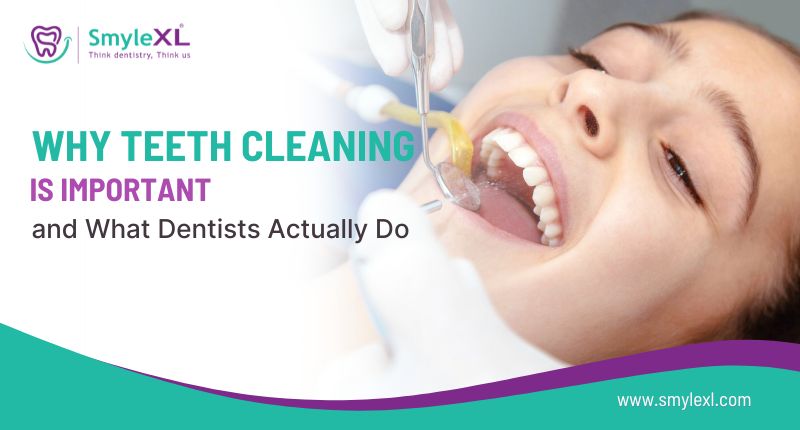

A bright, confident smile is one of the first things people notice about you. It’s no wonder, then, that maintaining healthy, clean teeth is a top priority for many. But how often do you think about the importance of professional teeth cleaning? Sure, we brush our teeth daily, but there’s more to keeping your smile sparkling than just brushing and flossing at home.
At SmyleXL Dental Clinic, located in Ashiyana, Lucknow, we often get asked about teeth cleaning treatment and why it’s so crucial. Many patients are surprised to learn that regular professional cleanings are just as essential as their daily routine. If you are curious to know what happens during a professional teeth cleaning and explain why it’s such an important part of maintaining long-term oral health, then you are at right place.
Table of Contents
ToggleUnderstanding Teeth Cleaning Treatment: What Happens During the Procedure?
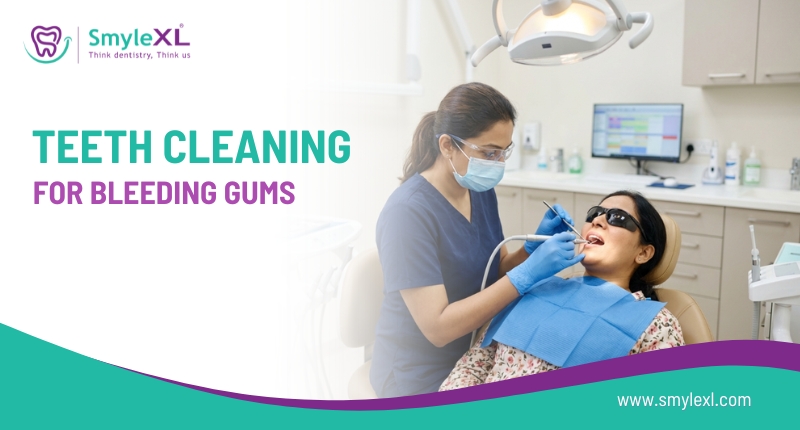
When you visit the dentist for a routine cleaning, you may not realize that there’s more happening than just a quick polish. A professional cleaning goes beyond what your toothbrush can do at home. Here’s a breakdown of what typically happens during a teeth cleaning treatment at SmyleXL Dental Clinic.
1. The Initial Check-up and Evaluation
Before the actual cleaning begins, your dentist will start by evaluating the health of your teeth and gums. This evaluation involves checking for any signs of gum disease, cavities, or plaque build-up. It’s like getting a “health check-up” for your mouth. If there are any issues, they can be addressed early, before they escalate into something more serious.
2. Scaling: Removing Plaque and Tartar
The first major step in a teeth cleaning treatment is scaling. Plaque is a sticky film of bacteria that forms on your teeth when you eat, drink, or even breathe. If not removed by brushing and flossing, plaque can harden into tartar, which can only be removed by a professional dentist. Think of plaque and tartar as the “dirt” on your teeth. Scaling is like scrubbing off the grime that has built up, especially in hard-to-reach areas where your toothbrush might not get.
Scaling is typically done using specialized tools that gently remove the hardened plaque and tartar from above and below the gum line. The process doesn’t hurt but may feel a little uncomfortable, especially if there’s a significant build-up of plaque.
3. Polishing: Making Your Teeth Shine
After the scaling, your dentistwill polish your teeth using a special paste that’s gritty, almost like a fine sandpaper. This step smooths the surface of your teeth, helping to remove any remaining plaque and giving your teeth that brilliant, polished look. It’s like buffing a surface to restore its shine. The polish also helps make it harder for plaque to stick to your teeth in the future.
4. Flossing and Rinsing
Once the polishing is done, the final touch is flossing between your teeth to remove any debris left behind after scaling and polishing. After flossing, you’ll rinse your mouth with a fluoride rinse. This helps remove any leftover particles and leaves your mouth feeling fresh and clean. It’s similar to how you wash your face after a good exfoliation.
5. Fluoride Treatment (Optional)
In some cases, after the cleaning, your dentist may recommend a fluoride treatment to help strengthen your enamel and protect against cavities. This is like a protective coat for your teeth. The fluoride treatment can be applied in gel, foam, or varnish form and is typically left on for a few minutes to allow it to absorb and provide the maximum benefit.
Why Is Teeth Cleaning Important for Your Health?
You may wonder why teeth cleaning is such an important part of dental care. After all, if you brush and floss regularly, isn’t that enough to keep your teeth healthy? The short answer: no, it’s not. Here’s why regular professional cleaning is essential.
1. Prevents Gum Disease
Gum disease (gingivitis and periodontitis) is one of the leading causes of tooth loss, and it often starts with plaque and tartar buildup. If left unchecked, plaque can irritate your gums, causing them to swell, bleed, and eventually lead to gum disease. Professional cleaning helps prevent gum disease by removing plaque and tartar that can’t be reached with regular brushing alone.
2. Fights Cavities
Cavities occur when bacteria in the mouth break down sugars and starches, forming acids that erode tooth enamel. Plaque and tartar buildup can create ideal environments for these bacteria to thrive. Regular teeth cleaning treatment helps remove plaque, reducing the risk of cavities and tooth decay.
3. Brightens Your Smile
While brushing and flossing can keep your teeth clean, they don’t always remove stains caused by food, beverages, or smoking. Professional cleaning removes surface stains, leaving you with a brighter, more polished smile. It’s like a fresh coat of paint on a wall, giving it a clean and vibrant finish.
4. Freshens Your Breath
Persistent bad breath (halitosis) is often caused by the bacteria in your mouth. Scaling and polishing during a professional cleaning helps remove bacteria and food particles that may contribute to bad breath. After your cleaning, you’ll leave your dentist’s office with a fresh, minty feeling that lasts.
FAQs
How often should I get a teeth cleaning?
For most people, visiting the dentist for a cleaning every six months is ideal. However, your dentist at SmyleXL Dental Clinic may recommend more frequent cleanings if you have specific oral health concerns, like gum disease or a higher risk of cavities.
Does teeth cleaning hurt?
No, teeth cleaning should not be painful. You may feel slight discomfort, especially if there’s a significant amount of plaque or tartar buildup. However, the procedure is generally very comfortable, and any discomfort will subside quickly after the cleaning is done.
How long does a teeth cleaning treatment take?
A routine teeth cleaning typically takes around 30 minutes to an hour, depending on your oral health and the amount of plaque and tartar build-up. It’s a quick and easy procedure that can fit into even the busiest schedules.
What should I do after a teeth cleaning treatment?
After your cleaning, it’s important to avoid eating or drinking for at least 30 minutes to allow the fluoride treatment to work effectively. Otherwise, you can resume your normal routine right away. Be sure to continue brushing and flossing regularly.
Take the First Step Toward Better Oral Health
Teeth cleaning treatment is an essential part of maintaining long-term oral health. Not only does it help prevent serious dental issues like gum disease and cavities, but it also keeps your smile bright and your breath fresh. Regular dental cleanings at SmyleXL Dental Clinic are the best way to stay on top of your oral hygiene and ensure your teeth remain in top shape.
If it’s been a while since your last teeth cleaning, now’s the time to schedule an appointment at SmyleXL Dental Clinic! Our experienced team is ready to help you keep your smile healthy and radiant. Book your visit today!