
A wisdom tooth can cause very different experiences for different people. For some, it grows into place and can be removed with a straightforward procedure. For others, it remains trapped under the gum, grows at an angle, or presses against a neighboring tooth. That is why Wisdom Tooth Removal Charges can vary from one patient to another.
If you are considering wisdom tooth removal in Vizag, understanding the difference between simple extraction and surgical removal can help you know what to expect. At SmyleXL Dental Clinic, an assessment helps determine the right approach based on your tooth’s position, condition, and surrounding tissues. Let’s explore what makes surgical extraction different and which factors may influence your treatment cost.
Table of Contents
ToggleWhat Is the Difference Between Simple and Surgical Wisdom Tooth Extraction?
What happens during a simple wisdom tooth extraction?
A simple wisdom tooth extraction may be suitable when the tooth has fully erupted, is easy to access, and can be loosened and removed without making an incision in the gum. The dentist examines the tooth first and uses local anesthesia to numb the area. You may feel pressure during the procedure, but you should not feel sharp pain.
A fully erupted wisdom tooth is not always easy to remove. Its root shape, condition, and position still matter. However, when the tooth is accessible and can be safely removed, the procedure is generally less involved than surgery.
When is surgical wisdom tooth extraction needed?
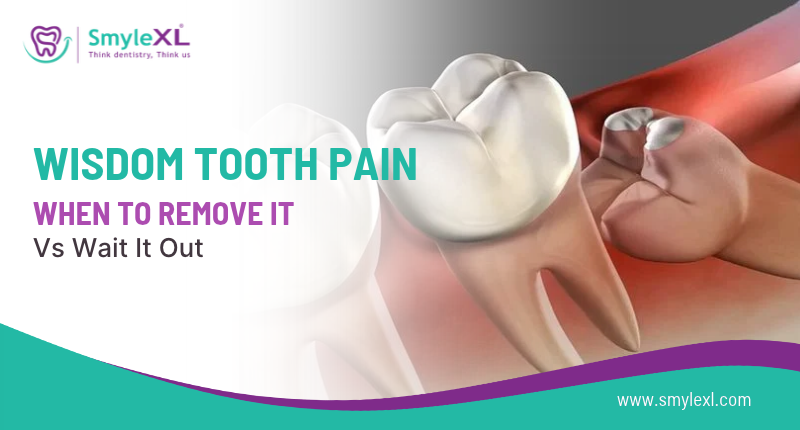
A dentist may recommend surgical wisdom tooth extraction when a tooth is trapped under the gum, partly covered by tissue, angled awkwardly, or difficult to reach. The dentist may make a small gum incision and, in some cases, remove a little surrounding bone or divide the tooth into sections.
An impacted wisdom tooth can be partly or completely hidden beneath the gum. Depending on its position, impacted wisdom tooth removal may require more planning and careful handling than a routine extraction. Surgery does not necessarily mean something has gone wrong; it may simply be the safest way to remove the tooth.
What Factors Affect Wisdom Tooth Removal Charges?
The amount you pay depends on the work needed to remove the tooth safely, not just the name of the procedure. These are some of the main factors that can influence Wisdom Tooth Removal Charges.
- Whether the tooth has erupted
A fully erupted wisdom tooth may be easier to access than a partially erupted wisdom tooth, where gum tissue still covers part of the crown. If the tooth remains trapped below the gum, removal may require surgery.
- Tooth position and angle
A tooth that grows upright and is accessible may be more straightforward to remove. One that leans towards the neighboring molar, lies sideways, or sits close to important structures can require more careful planning. Tooth position can affect the time, technique, and difficulty involved.
- Examination and X-rays
A dental examination helps assess your symptoms, gum health, and access to the tooth. A wisdom tooth X-ray can show the roots, angle, and relationship to nearby structures. Your dentist may recommend additional imaging if they need more information to plan a complex procedure.
- Procedure complexity and anesthesia
Simple extraction and surgical removal involve different steps. A gum incision, removal of a small amount of bone, or sectioning the tooth can make the procedure more involved. Local anesthesia commonly numbs the area, while other options depend on your needs, medical history, and planned treatment.
- Follow-up care
Your dentist may provide recovery instructions, recommend suitable pain relief, and arrange a review depending on the procedure. If the tooth is difficult to remove or you have specific healing concerns, your follow-up plan may differ.
For these reasons, it’s better to discuss wisdom tooth extraction cost after an assessment rather than relying on a single online price. Ask whether the estimate includes the consultation, imaging, extraction, medication, and any follow-up visits.
Does an Impacted Wisdom Tooth Always Need Surgery?
No. An impacted wisdom tooth does not automatically need removal, and not every case requires the same procedure. The decision depends on whether it causes pain, repeated gum infections, decay, damage to a neighboring tooth, or other problems. Your dentist will also consider its position and whether it can be monitored safely.
A partially erupted wisdom tooth can be hard to clean, allowing food and bacteria to build up around the gum. However, dentists should recommend removal only after an individual assessment, not simply because the tooth has not fully emerged. If you have swelling, persistent pain, difficulty opening your mouth, or repeated discomfort at the back of your jaw, arrange a dental check-up to determine whether an impacted wisdom tooth removal is appropriate.
What Should You Expect During the Wisdom Tooth Removal Procedure?
The process usually begins with a consultation. Your dentist will ask about your symptoms and medical history, examine the area, and decide whether a wisdom tooth X-ray is needed. Before agreeing to the wisdom tooth removal procedure, you should have an opportunity to discuss the recommended approach, expected recovery, and estimated charges.
For a simple extraction, the dentist numbs the area, then loosens and removes the tooth. For surgical removal, the dentist may need to open the gum, create access around the tooth, or divide it into sections. The dentist then cleans the area and may place stitches as needed.
The right approach depends on your individual findings. A simple wisdom tooth extraction may be enough for an accessible tooth, while a surgical procedure may be more appropriate when access is limited. Your dentist should explain why a particular method is recommended and what to expect during recovery.
How Long Does Recovery After Wisdom Tooth Removal Take?
Recovery varies depending on the tooth’s position and whether the removal was simple or surgical. Soreness, swelling, and jaw stiffness can last a few days, especially after surgery. These symptoms should generally improve, although full healing takes longer.
During recovery after wisdom tooth removal, rest and eat soft foods at first. Follow your dentist’s instructions about rinsing, brushing, and keeping the area clean. Avoid smoking and do not disturb the blood clot in the socket, as this can interfere with healing. Take medication only as your dentist directs.
Contact your dentist if pain or swelling becomes worse instead of improving, you develop a fever, or you notice persistent bleeding or discharge. Seek urgent care for severe or rapidly increasing swelling, or if you have difficulty swallowing or breathing.
Good post-extraction care supports healing and reduces avoidable irritation. Your dentist can explain which activities to avoid and when you can gradually return to your usual routine.
Where Can You Get Wisdom Tooth Removal in Vizag?
If you are looking for wisdom tooth removal in Vizag, SmyleXL Dental Clinic can help you understand your symptoms and available treatment options. An assessment helps the dentist determine whether a simple wisdom tooth extraction is suitable or whether surgical removal is safer for your tooth.
Rather than choosing a procedure based only on an online estimate, ask for a clear explanation of the findings, the recommended approach, and what the quoted charges cover. Wisdom Tooth Removal Charges can vary with the complexity of your case, so an individual treatment plan is more useful than a general price comparison.
If your wisdom tooth is painful, hard to clean, or causing recurring gum discomfort, book a consultation with SmyleXL Dental Clinic in Vizag to discuss next steps and understand the likely cost before you proceed.
FAQs
Why does surgical wisdom tooth removal charges more than a simple extraction?
Surgical removal may involve opening the gum, removing a small amount of bone, or dividing the tooth. It may require more planning and time than a straightforward extraction, which can affect the final cost.
Can an impacted wisdom tooth be removed without surgery?
Some teeth can be removed with a less invasive technique, but many impacted teeth require surgery. The dentist decides based on the tooth’s position, access, and what they find on the exam.
Is an X-ray necessary before wisdom tooth removal?
An X-ray is often useful because it shows the tooth’s angle, roots, and nearby structures. Your dentist will determine whether imaging is needed to plan treatment safely.
How many days does recovery take?
Initial soreness and swelling often settle within a few days, but recovery varies from person to person. Follow your dentist’s instructions and contact them if symptoms worsen or fail to improve.
How can I find out the wisdom tooth extraction cost in Vizag?
When you visit any dental clinic, the dentist can assess your tooth and explain whether simple or surgical removal is appropriate. Ask for an estimate that clearly states what is included before agreeing to treatment.

Dr. Devanshi Patel
Chief Dentist & Cosmetic Dental Care Specialist
Dr. Devanshi Patel is the Chief Dentist at SmyleXL Dental Clinic, Surat, with expertise in full mouth rehabilitation, root canal treatment, conventional dentures, implant-supported overdentures, implantology and veneers. She completed her BDS from Dharmsinh Desai University and MBA in Healthcare from Sikkim Manipal University. She is committed to providing personalised, technology-driven and patient-focused dental care.
Professional Profile: Dr. Devanshi Patel
Facebook: SmyleXL Facebook
Instagram: SmyleXL Instagram
YouTube: SmyleXL YouTube