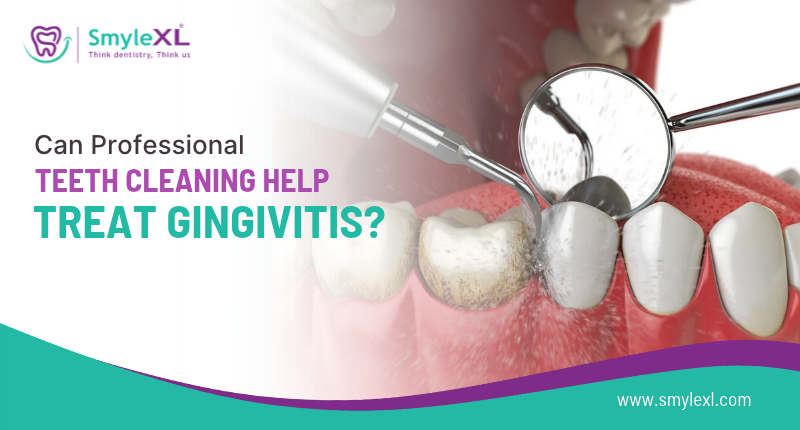

Yes, professional teeth cleaning can help manage early gingivitis by removing plaque and tartar that contribute to gum inflammation. However, cleaning is only one part of gingivitis treatment. Good daily oral hygiene is necessary to keep plaque from building up again and to support long-term gum health.
Gingivitis can begin quietly. A little blood while brushing, persistent bad breath, or gums that look redder than usual may seem minor, but these can be signs that plaque buildup is irritating the gums. Understanding how teeth cleaning fits into treatment can help you act before gum inflammation becomes more difficult to manage.
Table of Contents
ToggleWhat Will You Find on This Blog?
Here’s a quick look at what this guide covers:
- What causes gingivitis and how it starts
- How plaque and tartar affect your gums
- How professional teeth cleaning helps control gum inflammation
- What happens during dental cleaning
- The difference between routine cleaning and deeper cleaning
- What you can do after cleaning to protect your gums
- When gingivitis may need additional professional care
What Causes Gingivitis?
Gingivitis usually develops when plaque remains around the teeth and irritates the gums. Plaque is a sticky layer containing bacteria that forms naturally on teeth. Without effective daily cleaning, it can accumulate around the gumline.
Over time, plaque can harden into tartar buildup, which cannot be removed effectively with ordinary brushing alone.
Several factors can contribute to gingivitis, including:
- Inadequate oral hygiene
- Plaque buildup around the gumline
- Tartar buildup
- Irregular dental visits
- Certain lifestyle and health factors
- Difficulty cleaning crowded or hard-to-reach areas
Common gingivitis symptoms include bleeding gums, swollen gums, red gums, tenderness, and bad breath.
How Do Plaque and Tartar Affect the Gums?
Plaque irritates the gum tissue, while hardened tartar provides a surface where additional plaque can accumulate. This ongoing irritation can cause gum inflammation.
You may notice:
- Bleeding gums during brushing or flossing
- Red gums instead of their usual healthy appearance
- Swollen gums around certain teeth
- Persistent bad breath
- Increased tooth deposits around the gumline
Once plaque has hardened into tartar, simply brushing harder is not the solution. Professional plaque removal and tartar removal can help clean areas that are difficult to manage at home.
How Does Professional Teeth Cleaning Help Gingivitis?
Professional teeth cleaning helps gingivitis by removing plaque and tartar from the teeth and gumline, reducing the local factors that contribute to gum inflammation.
During cleaning, a dental professional removes accumulated deposits that regular brushing and flossing may not eliminate completely. Scaling and polishing can leave the tooth surfaces cleaner and make it easier to maintain oral hygiene afterward.
However, cleaning does not replace daily care. Plaque begins forming again after the teeth are cleaned, so brushing, cleaning between the teeth, and routine dental visits remain important.
This is why teeth cleaning for gingivitis is better understood as part of an overall approach to gum care rather than a one-time solution.
What Different Types of Dental Cleaning Address?
| Cleaning Type | Main Focus | When It May Be Used |
| Routine dental cleaning | Plaque and surface deposits | Regular oral hygiene maintenance |
| Scaling and polishing | Plaque, tartar, and surface stains | Gingivitis and tartar buildup |
| Deep teeth cleaning | Deposits below the gumline | More advanced gum problems |
What Happens During Professional Teeth Cleaning?
Professional cleaning generally involves examining the mouth, removing deposits from the teeth, and polishing the tooth surfaces. The exact steps depend on the amount of plaque and tartar present.
A routine appointment may involve:
- Oral examination: The gums and teeth are checked for signs of inflammation and deposits.
- Scaling: Hardened tartar and accumulated deposits are removed from the tooth surfaces.
- Polishing: The teeth are polished to remove surface stains and leave the surfaces smoother.
- Oral hygiene guidance: You may receive advice on brushing, interdental cleaning, and maintaining your dental hygiene.
For people with gingivitis, this process can make maintaining cleaner teeth and healthier gums easier.
Is Deep Teeth Cleaning Different From Routine Cleaning?
Yes, deep teeth cleaning is different from routine dental cleaning because it is generally used when gum disease has progressed, and cleaning is needed below the gumline.
Routine gum cleaning focuses mainly on removing deposits from accessible tooth surfaces. Deep cleaning, often called scaling and root planing, involves cleaning areas below the gumline when clinically indicated.
Not everyone with gingivitis needs deep cleaning. The required approach depends on the condition of your gums and whether there are signs of periodontal disease.
A dentist can assess the gums and determine whether routine Teeth Cleaning is sufficient or whether additional treatment is needed.
Can Gingivitis Go Away Completely?
Early gingivitis can often improve when plaque and tartar are effectively controlled, and consistent oral hygiene is maintained. The response depends on the individual’s gum condition and ability to keep plaque under control.
After professional teeth cleaning, it is important to maintain the results at home. This includes:
- Brushing twice daily with proper technique
- Cleaning between teeth regularly
- Paying attention to the gumline
- Keeping routine dental appointments
- Following specific dental hygiene advice provided for your mouth
If bleeding gums or swelling continues despite improved oral hygiene, further evaluation may be necessary.
What Should You Do After Teeth Cleaning?
After a cleaning, focus on preventing plaque buildup from returning rather than treating the appointment as a one-time fix. Consistent oral hygiene helps maintain the improvement achieved through professional cleaning.
Make these habits part of your routine:
Keep Plaque Under Control
Brush carefully around the gumline and clean between your teeth to remove plaque from areas a toothbrush may miss.
Don’t Ignore Bleeding
Occasional bleeding can be associated with inflamed gums, but persistent bleeding should not simply be accepted as normal. Mention it during your next dental evaluation.
Maintain Regular Dental Care
The frequency of dental cleaning depends on your oral health and individual needs. Your dentist can suggest an appropriate schedule based on your gum condition and plaque or tartar buildup.
When Does Gingivitis Need Further Treatment?
Gingivitis may need further professional assessment when inflammation, bleeding, swelling, or other symptoms persist despite proper cleaning and home care.
If gum inflammation is left unmanaged, it can progress toward more serious gum disease in some cases. Signs that warrant an evaluation include:
- Persistent bleeding
- Recurring gum swelling
- Ongoing bad breath
- Gum tenderness
- Changes around the gumline
- Increasing deposits around teeth
A dentist may evaluate whether the problem is limited to gingivitis or whether there are signs of periodontal disease requiring a different treatment approach.
Persistent bleeding or gum swelling deserves an evaluation rather than repeated self-care alone. At SmyleXL Dental Clinic, we help patients understand whether teeth cleaning in Kolhapur or further gum treatment may be appropriate.
How Often Should You Get Teeth Cleaning With Gingivitis?
The frequency of professional cleaning depends on your gum condition, plaque and tartar buildup, and individual oral health needs. There is no single schedule that applies to everyone.
Someone who develops frequent tartar buildup may need professional cleaning more regularly than someone who maintains good plaque control at home.
Rather than choosing an appointment frequency based only on a fixed interval, discuss your gum health with your dentist and follow the recommended gum disease treatment and maintenance plan.
Can Teeth Cleaning Prevent Gingivitis From Returning?
Regular professional cleaning can help control plaque and tartar, but preventing gingivitis from returning also requires consistent home oral hygiene.
Professional plaque removal addresses deposits that have accumulated, while daily brushing and interdental cleaning help manage new plaque formation.
Think of professional cleaning and home care as two parts of the same routine: one helps remove accumulated deposits, while the other helps control them between dental visits.
Frequently Asked Questions
Can gingivitis cause bad breath?
Yes. The bacteria associated with plaque buildup can contribute to persistent bad breath. If bad breath continues even after improving oral hygiene, a dental evaluation can help identify the underlying cause.
Is tartar removal painful?
The experience can vary depending on the amount of tartar, gum inflammation, and individual sensitivity. Your dental professional can adjust the cleaning approach according to your oral condition.
Can brushing remove hardened tartar?
No. Brushing can help remove plaque, but hardened tartar generally requires professional removal. Attempting to scrape deposits away yourself can injure the gums or tooth surfaces.
Can children develop gingivitis?
Yes. Children can develop gum inflammation when plaque accumulates around their teeth. Teaching appropriate brushing and interdental cleaning habits can help support their oral hygiene.
Does gingivitis always cause bleeding?
No. Gingivitis can present differently from person to person, and bleeding is not necessarily present in every case. Changes such as redness, swelling, or tenderness can also indicate gum inflammation.
Can poor oral hygiene affect gum health?
Yes. Inadequate plaque control allows bacteria and deposits to accumulate around the teeth and gums, increasing the likelihood of gum inflammation. Consistent dental hygiene is an important part of maintaining healthy gums.
So, Does Your Gingivitis Treatment Need Additional Care?
Teeth Cleaning can play an important role in managing early gingivitis by removing plaque and tartar that contribute to gum inflammation. But maintaining the improvement depends on what happens between professional appointments.
Regular brushing, cleaning between the teeth, and appropriate dental follow-up help control plaque buildup and support gum health. If you continue to experience bleeding, swelling, redness, or persistent bad breath, teeth cleaning in Kolhapur at SmyleXL Dental Clinic can determine whether you need additional gingivitis treatment or a different approach to gum disease treatment.

Dr. Pankaj Anuse
Principal Dentist & Dental Care Expert
Dr. Pankaj Anuse is a BDS-qualified dentist with 12+ years of experience, serving patients at SmyleXL Dental Clinic in Kolhapur. His areas of expertise include root canal treatment, dental implants and comprehensive dental care. With a commitment to modern dental techniques and patient-focused treatment, Dr. Anuse provides personalised care for patients of all ages.
Professional Profile: Dr.Pankaj Anuse
Facebook: SmyleXL Facebook
Instagram: SmyleXL Instagram
YouTube: SmyleXL YouTube