
When we talk about oral health, we often think it’s only about teeth. However, overall oral health also includes gums. Gums can become infected for several reasons, which can further harm your teeth and mouth. Gum infection, or gingivitis, happens in stages, and gum treatment depends on how severe the damage is.
In this blog, we cover the causes, symptoms, and treatment of gum infection. If you’re in Lucknow and looking for gum treatment options, SmyleXL Dental Clinic in Ashiyana, Lucknow offers personalized and comfortable care according to your condition and needs.
Table of Contents
ToggleWhat Is Gingivitis?
Infection in the gums often starts with gingivitis, an early stage of gum disease. It develops when bacterial plaque builds up along the gumline over time.
Plaque irritates gum tissue and causes inflammation. If this buildup continues, it hardens into tartar, making it harder to clean and worsening gingivitis.
The good news is that early detection can prevent it from worsening.
Causes of Gingivitis
Gingivitis usually develops when plaque remains around the gumline, further triggering inflammation. However, several everyday habits and underlying factors can make your gums more vulnerable.
Plaque and Poor Oral Hygiene
Irregular brushing or skipping hard-to-reach areas for a long time can let bacterial plaque build up. This further irritates the gumline, causing redness, swelling, and bleeding.
Smoking and Other Lifestyle Factors
Tobacco can affect gum health and slow tissue healing. It can also increase the risk of developing more serious gum problems.
Hormonal Changes and Medical Conditions
Changes during puberty, pregnancy, menstruation, or menopause can make gums more sensitive to plaque. Consistent hygiene practices become especially important during these periods.
Medical Conditions and Medications
Certain health conditions and medications can affect saliva production, immune response, or gum tissues, increasing the chances of inflammation. A dentist can consider these factors when planning appropriate gum disease treatment.
Dental Restorations and Appliances
Poorly fitting crowns, fillings, braces, or other dental appliances can create areas where plaque is difficult to remove. Better home care and professional cleanings may help control inflammation around these areas.
Symptoms to Pay Attention To
Gum disease starts with mild symptoms. However, catching them early can help you seek timely evaluation.
Bleeding or Swollen Gums
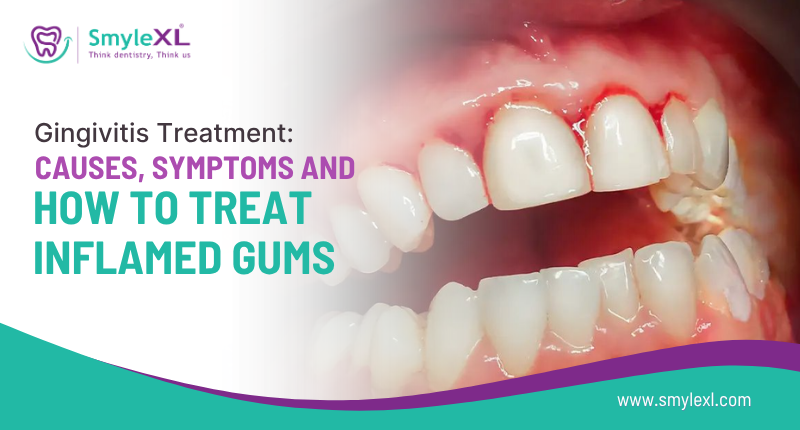
Bleeding or swollen gums while brushing or flossing, or puffy gums around the teeth, may indicate inflammation. Repeated bleeding gums are not normal.
Redness and Tenderness
Healthy gums are usually firm and pink. If redness, tenderness, or discomfort at the gumline continues, it could signal ongoing inflammation and should be checked by a professional.
Persistent Bad Breath
Persistent bad breath despite regular brushing and flossing is often linked to gum inflammation. If it doesn’t improve over time, get a dental evaluation.
Gum Recession and Tooth Sensitivity
When gums gradually pull away from the teeth, the exposed tooth surface can become more sensitive to hot, cold, or sweet foods. Gum recession can have several causes, so it’s important to identify the underlying issue before considering treatment.
How Is Gingivitis Diagnosed?
Dentists usually diagnose gingivitis through a clinical examination of the gums and teeth. The dentist looks for signs of inflammation and checks whether plaque or tartar is contributing to the problem.
- Gum Examination: Checks for redness, swelling, tenderness, and bleeding gums.
- Plaque and Tartar Assessment: Examines buildup around the gumline to identify areas that are irritating.
- Gum Pocket Evaluation: The dentist may measure the spaces between the teeth and gums to see whether inflammation has progressed beyond early gingivitis.
- Dental X-rays: These may be recommended to assess the supporting bone or rule out other dental problems.
- Overall Oral Assessment: Existing cavities, restorations, gum recession, and signs of infection are considered before deciding on appropriate gum disease treatment.
Once the dentist establishes the cause and extent of inflammation, they can recommend suitable gingivitis treatment.
How Is Gingivitis Treated?
Gingivitis treatment aims to remove the source of inflammation, control plaque buildup, and prevent the condition from progressing. Treatment depends on how much plaque, tartar, and gum inflammation are present.
Professional Dental Cleaning
A routine dental cleaning removes plaque and tartar that regular brushing cannot eliminate. If deposits extend below the gumline or inflammation is more advanced, your dentist may recommend a deep cleaning.
Improving Daily Oral Hygiene
Consistent brushing, interdental cleaning, and an appropriate mouth rinse help control plaque between dental visits. These hygiene practices are essential for maintaining healthy gums after professional treatment.
Treating Persistent or Advanced Gum Problems
If inflammation does not improve with basic care, the dentist may consider periodontal therapy based on the underlying condition. In select cases, the dentist may recommend laser gum treatment, antibiotic therapy, or gum surgery instead of treating every case the same way.
What Does Gum Treatment Cost?
Gum treatment cost varies based on the severity of gum inflammation and the procedure required. A routine cleaning may cost less, while treatments such as deep cleaning, laser gum treatment, or gum surgery can cost more.
The final estimate depends on your gum condition, the number of affected areas, and any additional treatment needed. A dental examination is therefore necessary to determine the appropriate treatment and cost.
How to Prevent Gingivitis From Coming Back
Small daily habits, combined with professional monitoring, can reduce plaque buildup and help maintain healthy gums.
Daily Hygiene and Plaque Control
Brush twice a day with a soft-bristled toothbrush and clean between your teeth regularly. These hygiene practices help control bacterial plaque and reduce the chances of gum inflammation returning.
Regular Dental Visits
Routine dental check-ups help identify plaque and tartar before they irritate your gums. Professional dental cleanings can also help maintain gum health in hard-to-reach areas.
Lifestyle and Dietary Habits
Avoid tobacco, limit frequent sugary snacks, and maintain a balanced diet to support your oral health. These lifestyle changes, along with consistent home care, support long-term oral health and help prevent recurring gum problems.
When Should You See a Dentist for Inflamed Gums?
Occasional gum irritation may improve with better oral care, but see a dentist if bleeding, swelling, redness, tenderness, or bad breath persist. An early assessment can help determine whether the issue is simple gingivitis or needs more intensive care.
At SmyleXL, Ashiyana, Lucknow, a dental evaluation can help identify the cause of your gum concerns and determine the right course of gum treatment. If your inflamed gums persist or recur, schedule a consultation for a timely assessment.
FAQs
Can gingivitis go away on its own?
Mild gingivitis may improve with plaque control through regular brushing and interdental cleaning. But if the inflammation or bleeding doesn’t go away, don’t ignore it; see a dentist.
How long does it take for inflamed gums to heal?
Mild gum inflammation can improve within days to a few weeks once you address the underlying cause. Healing time depends on the severity of the inflammation and how consistently you maintain oral care.
Is professional dental cleaning for gingivitis?
If regular home care can’t remove plaque and hardened tartar, you may need a professional dental cleaning. Your dentist can tell whether a cleaning is enough based on your gum condition.
Can gingivitis cause permanent gum damage?
With proper care, early gingivitis is usually reversible. If you ignore inflammation, it can progress to more advanced gum disease that can permanently damage the gums and supporting tissues.
What is the best way to prevent gingivitis from returning?Consistent brushing, interdental cleaning, regular dental checkups, and limiting tobacco use are key to preventing recurrence. Professional cleaning when recommended can also help keep plaque and tartar under control.