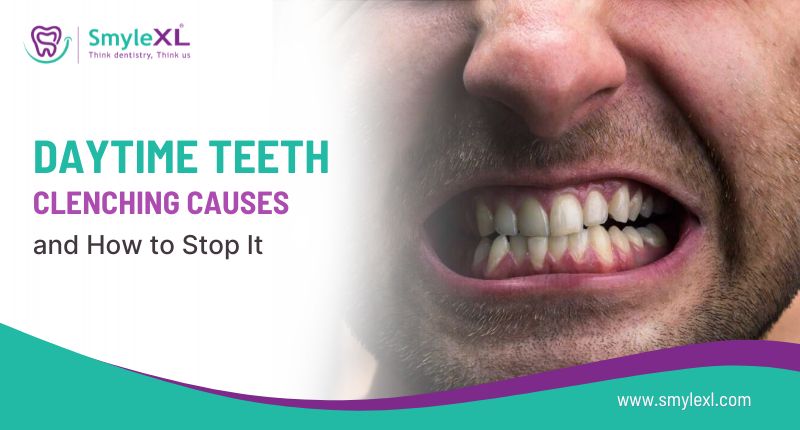

Teeth clenching does not always happen at night. Many people clench their teeth during the day without even realizing it. It can start subtly, during work calls, while concentrating on a task, or even when you are stuck in traffic. Your jaw tightens, your teeth press together, and you continue your routine without noticing the strain building up.
Over time, this habit begins to show. You may feel slight fatigue in your jaw by the end of the day, notice tight facial muscles, or experience occasional headaches. What starts as a small, unnoticed habit can gradually lead to tooth wear, sensitivity, and persistent discomfort if ignored.
At SmyleXL Dental Clinic, Nashik Road, patients seeking jaw pain treatment often complain about unexplained jaw discomfort, unsure of the cause. Many are surprised to learn that teeth clenching during day is the underlying issue. Once identified, it becomes easier to manage with the right guidance. Understanding why it happens and recognizing the early signs play a key role in choosing the right approach for jaw pain treatment under our expert clinicians and preventing further damage.
Table of Contents
ToggleWhat Causes Daytime Teeth Clenching?
Daytime clenching, also known as conscious or semi-conscious bruxism, develops due to multiple factors.
Stress and Mental Pressure
One of the most common daytime bruxism causes is stress. When you feel anxious or focused, your body may respond by tightening muscles, including your jaw. This leads to stress related clenching, which can go unnoticed for long periods.
This is closely linked to stress and teeth grinding, where emotional pressure translates into physical tension.
Poor Bite or Alignment Issues
If your teeth do not align properly, your jaw may struggle to find a comfortable resting position. This can lead to continuous clenching.
In such cases, exploring bite correction options or jaw alignment correction can help reduce unnecessary strain on the jaw.
Habit and Muscle Memory
Clenching can become a habit over time. You may not feel stressed, yet your jaw remains tight due to learned behavior.
These patterns often require habit breaking techniques and awareness to correct.
Signs You May Be Clenching Your Teeth
Many people are unaware of their clenching habit until symptoms appear.
Look out for:
- Tight facial muscles or jaw fatigue
- Frequent headaches from clenching
- Mild to moderate ear discomfort causes without infection
- Early tooth wear symptoms
- Visible enamel damage signs
Some patients also experience jaw locking symptoms, especially during wide-mouth movements, which may induce severe jaw pain as well.
If you have been experiencing these signs, visit SmyleXL Dental Clinic for effective jaw pain treatment in Nashik Road, Nashik, where we help you easily overcome pain caused by clenching.
Daytime vs Nighttime Bruxism
Understanding the difference between sleep vs daytime bruxism helps in choosing the right treatment.
- Nighttime grinding is involuntary and harder to control
- Daytime clenching is more habit-based and manageable with awareness
Daytime clenching often responds better to behavioral changes and targeted bruxism management.
At SmyleXL Dental Clinic, we provide jaw pain treatment in Nashik Road, which is known for delivering reliable and efficient outcomes for bruxism.
How Teeth Clenching Affects Your Jaw
Continuous clenching puts pressure on your jaw joints and muscles.
Over time, this can lead to:
- Persistent muscle stiffness
- Increased tension in the jaw
- Reduced flexibility while opening the mouth
- Gradual joint strain
If left untreated, it may require structured treatment for jaw pain to restore comfort.
At SmyleXL Dental Clinic, we provide jaw pain treatment in Nashik Road, which is known for delivering reliable and efficient outcomes for clenching and grinding.
Ways to Stop Daytime Teeth Clenching
Managing this habit involves a combination of awareness, care, and professional guidance.
1. Build Awareness
The first step is noticing when you clench. Keep your teeth slightly apart and your lips closed when at rest. This reduces unnecessary pressure.
2. Use Relaxation Techniques
Simple relaxation exercises for clenching can help release tension.
Try:
- Gentle jaw stretches
- Deep breathing exercises
- Short breaks during work
These methods support facial muscle relief care and reduce stress buildup.
3. Address Stress Triggers
Since stress-related clenching is a major factor, managing stress plays a key role.
You can:
- Practice mindfulness
- Take regular breaks
- Maintain a balanced routine
Reducing stress directly impacts jaw pain relief.
4. Consider Protective Devices
In some cases, dentists may recommend a mouth guard for grinding. While commonly used for nighttime grinding, it can also help protect teeth during high-stress periods.
5. Correct Underlying Issues
If alignment is the cause, treatments like bite correction options or jaw alignment correction may be required. These solutions address the root problem instead of just managing symptoms.
When Should You See a Dentist?
If you notice persistent discomfort, frequent headaches, or visible tooth wear, it is important to seek a professional teeth grinding solution.
At SmyleXL Dental Clinic, dentists evaluate your symptoms and suggest a personalized jaw pain treatment in Nashik Road based on your condition. Early care helps prevent long-term damage and reduces the need for complex treatments later.
A Small Habit That Needs Attention
Daytime teeth clenching may seem harmless at first, but over time, it can affect your comfort, oral health, and daily routine.
The good part is that it is manageable with the right approach. Awareness, small lifestyle changes, and timely care can make a noticeable difference.
If you have been experiencing discomfort or suspect clenching, exploring jaw pain treatment in Nashik Road at SmyleXL Dental Clinic can help you regain comfort and protect your teeth before the problem progresses further.
FAQs
What is the cost of jaw pain treatment in Nashik Road?
The cost of jaw pain treatment in Nashik Road depends on the underlying cause, severity, and how early the issue is identified. Initial consultations usually start from around ₹2,000, where dentists carefully assess symptoms like teeth clenching during day, jaw movement, and muscle tension. Early-stage care often includes splints, guidance, and habit correction, which are more affordable and effective when started on time. However, if the condition progresses or involves deeper joint or structural issues, treatment may become more complex and increase the overall cost. Identifying the issue early helps manage symptoms better and prevents long-term discomfort, such as muscle stiffness, making treatment simpler, quicker, and more effective.
What is the 3-finger test for jaw pain?
The 3-finger test is a simple way to check how wide your jaw can open and whether movement is comfortable. If you can place three fingers vertically inside your mouth without strain, your jaw function is generally considered normal. However, if you feel restriction, discomfort, or notice a clicking jaw sound, it may indicate limited mobility or joint strain. This can also be linked to early jaw locking symptoms, which may gradually worsen if not addressed. While this test is not a medical diagnosis, it helps you recognize early warning signs so you can seek timely evaluation and prevent further complications.
Is TMJ 100% curable?
TMJ conditions can often be managed effectively, especially when identified in the early stages. While not every case is completely curable, most people experience long-term improvement with proper bruxism management and consistent care. Addressing triggers such as stress and teeth grinding plays a major role in reducing pressure on the jaw and improving comfort. Treatment focuses on restoring normal movement, reducing strain on the joint, and preventing further damage. With the right combination of care and lifestyle changes, many patients are able to control symptoms well and return to their daily routines without ongoing discomfort.
Can jaw pain mean a stroke?
Jaw pain alone is usually not a sign of a stroke, as stroke symptoms typically include sudden weakness, numbness, or difficulty speaking. In most cases, jaw discomfort is related to dental or muscular issues such as stress-related clenching or overuse of jaw muscles. However, if jaw pain appears suddenly along with other unusual or severe symptoms, it is important to seek immediate medical attention. In general situations, jaw pain is more commonly linked to conditions like ear discomfort causes, which can be evaluated and managed with proper dental care and timely diagnosis.
How can I relieve jaw pain naturally?
You can manage mild to moderate jaw discomfort by making a few simple changes in your daily routine. Resting your jaw, avoiding hard or chewy foods, and applying warm or cold compresses can help relax tight facial muscles and reduce tension. Practicing relaxation exercises for clenching regularly can ease stress and improve jaw flexibility over time. It is also important to stay aware of habits like clenching or grinding during the day and consciously relax your jaw whenever possible. These small but consistent steps can support natural healing and help reduce strain on the jaw effectively.
What vitamin deficiency causes jaw tightness?
Certain nutrient deficiencies can contribute to jaw tightness and ongoing discomfort. Low levels of magnesium may increase muscle stiffness, making the jaw feel tense, fatigued, or difficult to relax. Calcium and vitamin D also play an important role in maintaining bone strength and proper muscle function. When these nutrients are not balanced, symptoms may worsen, especially when combined with habits like stress related clenching. Maintaining a well-balanced diet and proper nutrient intake can support muscle relaxation and reduce the chances of persistent jaw tension over time.