
Just like waves slowly erode a shoreline over time, plaque and bacteria can gradually wear away your healthy gums without you even noticing it at first. What begins as mild sensitivity or occasional bleeding while brushing can eventually turn into visible gum recession, exposing the roots of your teeth and weakening their support. Many people ignore these early warning signs until the damage becomes difficult to reverse. That is why timely gum treatment is so important.
At SmyleXL Dental Clinic, we often see patients who are surprised to learn that unhealthy gums can affect not just their smile, but also their overall oral health. Understanding the causes, symptoms, and treatment options for gum recession can help you protect your teeth before the condition progresses further.
Table of Contents
ToggleWhat Is Gum Recession?
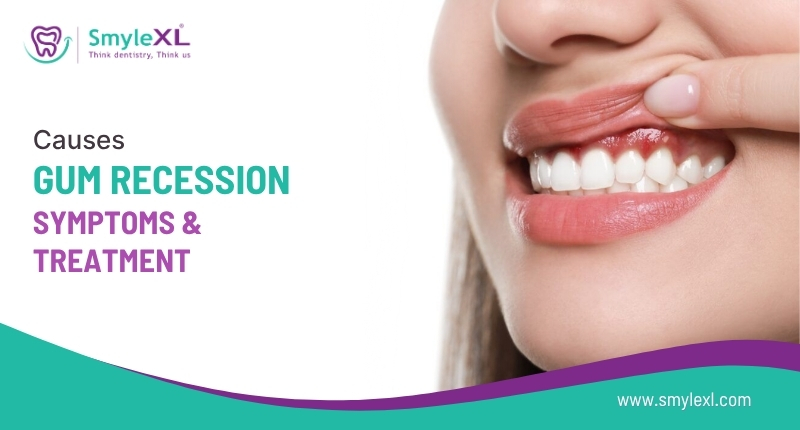
Gum recession happens when the gum tissue surrounding the teeth slowly pulls back or wears away, exposing more of the tooth surface and sometimes even the roots. Healthy gums fit snugly around the teeth, protecting them from bacteria and external damage. However, when gum tissue loss begins, gaps can form between the gums and teeth, creating spaces where harmful bacteria can grow.
This condition develops gradually, which is why many people fail to notice it during the early stages. Over time, tooth root exposure can lead to discomfort while eating hot, cold, or sweet foods. Without proper gum treatment, the condition may worsen and increase the risk of infection, bone damage, and tooth loss.
At SmyleXL Dental Clinic, early diagnosis and personalized care play an important role in preventing severe gum line damage and restoring healthier gums.
Common Causes of Gum Recession
Several factors can contribute to gum recession, and in many cases, more than one reason may be responsible.
1. Poor Oral Hygiene
One of the most common causes is poor oral hygiene. When plaque buildup on gums is not cleaned properly, it hardens into tartar, which can irritate the gum tissue and lead to inflammation. This bacterial buildup slowly weakens the gums and may require professional gum infection treatment.
2. Aggressive Brushing
Brushing too hard may seem like a good way to clean teeth, but it can actually damage the gums. Using a hard-bristled toothbrush or applying too much pressure can wear down gum tissue over time.
3. Gum Disease
Advanced gum infections are another major reason for the gum recession. Conditions like gingivitis and periodontitis damage the supporting tissues around the teeth. In severe cases, patients may need specialized periodontal disease treatment to control the infection and protect the teeth.
4. Smoking and Tobacco Use
Smoking weakens the immune system and reduces blood flow to the gums, making it difficult for gum tissue to heal properly. Tobacco users are more likely to experience swollen gums linked to bacterial infections.
5. Teeth Grinding and Misalignment
Grinding your teeth at night or having misaligned teeth can place excessive pressure on the gums. Over time, this pressure may contribute to gum tissue loss and tooth sensitivity.
6. Hormonal Changes
Hormonal fluctuations during pregnancy, menopause, or puberty can also make gums more sensitive and vulnerable to recession.
At SmyleXL Dental Clinic, identifying the exact cause is an essential step before starting any personalized gum treatment plan.
Symptoms You Should Never Ignore
The early signs of gum recession are often subtle, but recognizing them quickly can prevent long-term complications.
1. Tooth Sensitivity
One of the earliest receding gums symptoms is increased sensitivity while eating or drinking hot, cold, or sweet foods. Since the roots become exposed, the teeth lose their natural protection.
2. Bleeding Gums
Bleeding while brushing or flossing is never normal. Many people ignore this sign, assuming it is temporary, but it can indicate gum inflammation or infection. Seeking timely bleeding gums treatment can prevent the condition from worsening.
3. Teeth Looking Longer
As the gums pull away, the teeth may appear unusually long. This visible change is often one of the most noticeable receding gums symptoms.
4. Red or Swollen Gums
Persistent redness, tenderness, or swelling may indicate infection. Understanding swollen gums early can help avoid serious oral health problems later.
5. Bad Breath and Loose Teeth
Continuous bad breath and loosening teeth may signal advanced gum disease and bacterial buildup beneath the gum line.
Many patients visiting SmyleXL Dental Clinic for gum treatment are unaware that these symptoms are connected to underlying gum damage.
What Happens If Gum Recession Is Left Untreated?
Ignoring gum recession can lead to severe oral health complications over time. What begins as mild gum tissue loss can eventually affect the bones and structures supporting the teeth.
As bacteria continue collecting beneath the gums, infections may spread deeper into the tissue. This can cause gum line damage and gradual bone deterioration. In advanced cases, teeth may become loose or even fall out completely.
Tooth root exposure can also make daily activities uncomfortable. Patients with sensitive teeth and gums often struggle while eating cold foods or brushing properly. Since the roots do not have protective enamel like the visible part of the tooth, they are more vulnerable to decay.
Untreated gum recession can eventually require extensive periodontal disease treatment, including surgical procedures to restore the gums. At SmyleXL Dental Clinic, early intervention helps patients avoid complex treatments and preserve their natural teeth for longer.
Best Gum Treatment Options Available
Modern dentistry offers several effective solutions for managing gum recession and improving gum health. The right option depends on the severity of the condition and its underlying cause.
Professional Dental Cleaning
For mild gum issues, professional cleaning helps remove plaque buildup on gums and tartar deposits that regular brushing cannot clean. This reduces bacterial growth and supports healthier gums.
Scaling and Root Planing
Deep cleaning for gums targets bacteria beneath the gum line. Dentists smooth the roots to help the gums reattach properly. It is one of the most effective non-surgical methods for early gum recession treatment.
Medications and Antibiotics
Patients with bacterial infections may require medicated mouth rinses or antibiotics as part of their gum infection treatment plan. These help control harmful bacteria and reduce inflammation.
Gum Grafting
For advanced recession cases, gum grafting may be recommended. In this procedure, healthy tissue is placed over exposed roots to restore gum coverage and improve protection.
Lifestyle and Oral Hygiene Improvements
Simple lifestyle changes can also make a major difference. Dentists often recommend:
- Using a soft-bristled toothbrush
- Brushing gently
- Flossing daily
- Avoiding smoking
- Visiting the dentist regularly
At SmyleXL Dental Clinic, every gum treatment plan is customized according to the patient’s gum condition, symptoms, and long-term oral health goals.
How to Prevent Gum Recession Naturally ?
Preventing gum recession starts with maintaining consistent oral hygiene habits and protecting the gums from unnecessary damage.
Brushing twice daily with gentle pressure helps reduce irritation and prevent gum tissue loss. Choosing a soft toothbrush can protect the gums while still cleaning effectively. Daily flossing also removes food particles and reduces oral bacterial infection between teeth.
Regular dental checkups are equally important because many gum problems develop silently. Professional cleanings help prevent plaque buildup on gums before it turns into a serious infection.
Eating a balanced diet rich in vitamins can strengthen gum tissue and support healing. Avoiding smoking and tobacco products can further reduce the risk of infection and unhealthy gums.
Patients experiencing sensitive teeth and gums or persistent bleeding should seek professional bleeding gums treatment immediately rather than waiting for symptoms to worsen.
Wrapping Up
Gum recession may begin quietly, but the long-term effects can seriously impact your oral health if left untreated. From sensitivity and bleeding to tooth loss and infection, the condition can gradually damage the foundation of your smile. The good news is that early diagnosis and the right gum treatment can help manage the problem effectively and protect your teeth for years to come.
At SmyleXL Dental Clinic, we focus on personalized care and advanced dental solutions to help patients restore healthier gums and regain confidence in their smiles. If you are noticing signs of gum recession, scheduling an early dental consultation can make all the difference.
FAQs
1. What are the early signs of a gum recession?
The first signs of gum recession usually include red or swollen gums, bleeding while brushing, gum tenderness, and teeth appearing slightly longer than before.
2. Why do my teeth feel sensitive when my gums recede?
When gums pull away from the teeth, the roots become exposed. This can cause sensitive teeth and gums, especially while eating hot, cold, or sweet foods.
3. What happens if the gum recession is ignored?
If left untreated, gum recession may worsen over time and allow bacteria to damage the gums and supporting bone around the teeth.
4. Can gum recession be treated without surgery?
In early stages, professional gum treatment and deep cleaning procedures may help control gum recession and prevent it from worsening further.
5. Can gums grow back naturally after receding?
No, receded gums usually do not grow back naturally on their own. However, modern gum recession treatment options like gum grafting can help restore gum protection and improve gum health.