
You can remove invisible aligners before a meal, take them out to brush your teeth, and put them back when you’re done. Sounds convenient, doesn’t it? But there’s a catch. They need to be worn for at least 22 hours a day for the treatment to work as planned.
That raises a few practical questions. Are invisible aligners suitable for every type of misalignment? How long will you need to wear them? And does the convenience come at a higher price than traditional braces?
If you’re considering Invisible Aligners in Rahuri, understanding the treatment options, suitability, and pricing can help you make an informed decision. At SmyleXL Dental Clinic, patients can discuss their teeth alignment concerns and understand which options may suit their dental needs. The right choice depends on more than appearance alone. Your dental condition, daily routine, and willingness to follow the recommended wear schedule all matter.
Table of Contents
ToggleQuick Summary: What Should You Know About Invisible Aligners?
- How they work: Transparent aligner trays gradually move teeth into planned positions.
- Who may benefit: People with certain gaps, crowded teeth, or selected bite problems may be suitable candidates.
- Treatment duration: It depends on the complexity of the case and consistency of wear.
- Pricing: The number of aligners, treatment requirements, and follow-up care can affect the total expense.
- Daily care: Aligners must be worn as prescribed, removed for meals, and cleaned regularly.
- After treatment: Retainers are generally needed to help prevent teeth from shifting back.
What Are Invisible Aligners, and How Do They Work?
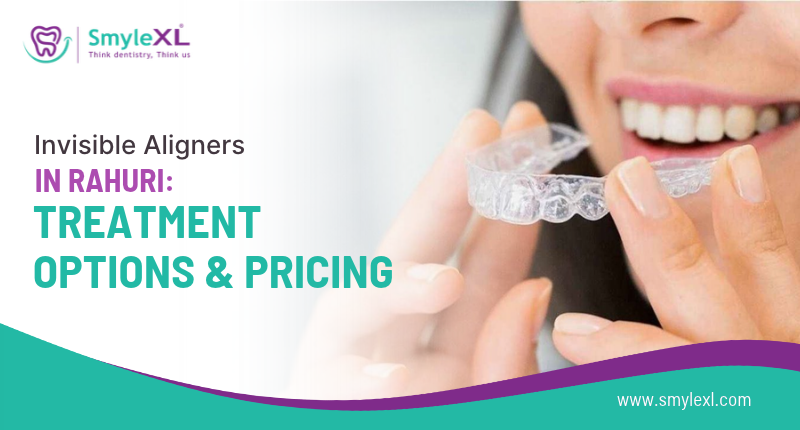
Invisible aligners are transparent, removable trays designed to move teeth gradually into planned positions. Unlike fixed braces, they can be removed for eating, drinking anything other than water, and cleaning your teeth.
During clear aligner treatment, a dentist or orthodontic provider assesses your teeth and bite before planning the movement required. You receive a series of transparent aligner trays, with each set designed to make gradual changes.
These removable orthodontic trays are usually changed according to the prescribed schedule. Some cases may also require small attachments on the teeth to help guide particular movements.
The treatment isn’t simply about wearing plastic trays. Careful planning, regular monitoring, and following instructions are important parts of the process.
Which Teeth Problems Can Invisible Aligners Correct?
Invisible aligners may help correct mild to moderate teeth alignment concerns and selected bite problems, but they are not suitable for every case.
They may be considered for:
- Crowded teeth: When teeth overlap because there isn’t enough space.
- Gaps between teeth: When spaces occur between individual teeth.
- Overlapping teeth: When teeth sit over or behind neighboring teeth.
- Selected bite problems: Certain overbite, underbite, or crossbite concerns may be managed with aligners.
Teeth gap correction and crooked teeth correction are common reasons people explore orthodontic treatment. However, the right approach depends on tooth position and how the upper and lower jaws meet.
More complex cases may need traditional braces or a combination of orthodontic approaches. An orthodontic evaluation helps determine whether clear aligner treatment can safely and effectively achieve the required movement.
If you’re exploring Invisible Aligners in Rahuri, avoid choosing a treatment based only on appearance or online comparisons. Your dentist needs to assess your bite, gum health, and overall dental condition first.
Invisible Aligners vs Traditional Braces: Which Option Fits Your Needs?
Both treatments move teeth, but they differ in how they work and what they require from you.
Feature | Invisible aligners | Traditional braces |
Appearance | Transparent trays | Brackets and wires |
Removal | Removable | Fixed to the teeth |
Eating | Remove before meals | Avoid certain hard or sticky foods |
Cleaning | Clean teeth and trays separately | Clean carefully around brackets and wires |
Daily commitment | Requires consistent wear | Remains in place throughout treatment |
Suitability | Depends on the case | Can address a broad range of alignment problems |
Traditional metal braces may be suitable for complex tooth movements. Ceramic braces treatment offers a less noticeable fixed alternative, while clear dental braces is sometimes used informally to describe less visible orthodontic options.
The choice between removable trays and fixed appliances depends on your dental condition, lifestyle, and ability to follow treatment instructions. No single option is ideal for everyone.
What Is the Cost of Invisible Aligners in Rahuri?
The cost of invisible aligners depends on the treatment required, so an individual estimate is more useful than relying on a single advertised figure.
The main factors influencing clear aligner cost include:
- Complexity of alignment: Minor spacing may require less correction than significant crowding or bite problems.
- Number of trays: The number of aligners needed depends on the planned tooth movements.
- Treatment duration: Longer treatment may involve additional monitoring and aligner sets.
- Additional requirements: Attachments or refinement trays may be needed in some cases.
- Appointments and diagnostics: Scans, examinations, and follow-up visits may affect the overall estimate.
The total dental treatment estimate should clarify what is included, such as the initial consultation, digital scans, aligners, progress checks, and refinements where applicable.
At SmyleXL Dental Clinic, you can discuss your alignment concerns and ask which dental treatment options are appropriate for your case before comparing prices.
When comparing Invisible Aligners in Rahuri, check what each quote covers rather than looking at the headline price alone. The least expensive option may not include the same services as another package.
How Long Does Aligner Treatment Take?
Dental alignment treatment duration varies with the amount of tooth movement required. Some simpler cases may take several months, while more complex cases can take a year or longer.
Your dentist will estimate the timeline after examining your teeth and preparing a treatment plan. Wearing the trays for the recommended wear time is essential because inconsistent use can delay progress.
Dental alignment treatment compliance also matters when changing trays. Do not move to the next set early or extend a set indefinitely without guidance. Regular teeth movement monitoring helps your dentist assess progress and decide whether adjustments are needed.
The estimated timeline is a guide, not a guarantee. Your response to dental treatment options and the complexity of the movements can affect how long it takes.
What Does Daily Life With Invisible Aligners Look Like?
Invisible aligners fit into everyday routines, but they require consistent care.
Most teeth straightening treatment plans prescribe wearing aligners for around 20 to 22 hours a day, although your provider will give instructions specific to your case. Remove them before meals and drinks other than water, then clean your teeth before putting them back.
A simple aligner cleaning routine helps keep the trays clear and fresh. Rinse them as instructed, use suitable cleaning methods, and avoid hot water that could distort the plastic.
Maintain oral hygiene during treatment by brushing twice daily and cleaning between your teeth. Keeping your aligner case with you can also help prevent trays from getting lost or damaged when removed outside the home.
What Happens Before Your First Set of Aligners?
Teeth straightening treatment begins with an examination, not simply ordering a set of trays.
The usual process includes:
- Consultation: Discuss your concerns and expectations.
- Orthodontic evaluation: Assess tooth positions, gums, and bite.
- Records: Take a digital teeth scan or dental impressions, along with any necessary images.
- Planning: Develop a customized treatment plan for intended teeth movement monitoring.
- Fitting and instructions: Receive your aligners and learn how to wear, remove, and clean them.
- Follow-up appointments: Check progress and make changes if needed.
SmyleXL Dental Clinic can be part of this conversation when you’re exploring treatment options. Ask about the proposed steps, expected duration, and what happens if your teeth do not move as planned.
What Happens After You Finish Wearing Aligners?
Finishing the final tray does not mean your teeth will automatically stay in their new positions. Teeth can shift over time, which is why retainers after treatment are generally recommended.
Your dentist will explain how often to wear your retainer and how to care for it. Skipping retention instructions can increase the risk of relapse after orthodontic treatment.
Follow-up care helps check that your teeth remain stable and that your bite continues to function comfortably.
Are Invisible Aligners Right for Your Routine?
Invisible aligners may suit people who want a removable orthodontic option and can follow a consistent wear schedule. They may be less practical for someone who frequently forgets to put trays back in or struggles to maintain cleaning habits.
Before choosing Invisible Aligners in Rahuri, consider your dental needs, daily routine, and willingness to attend follow-up visits. A professional assessment of teeth alignment concerns can help you compare options and understand what your treatment would involve.
Convenience Works Best With Commitment
Invisible aligners offer flexibility, but successful treatment depends on suitable case selection, careful planning, and consistent wear. Understanding the treatment process and pricing factors helps you decide whether this option fits your needs.
At SmyleXL Dental Clinic in Rahuri, you can discuss your alignment concerns, clarify the expected expenses, and understand the available dental treatment options. If you’re considering Invisible Aligners in Rahuri, start by finding out what your teeth need rather than choosing a treatment based on convenience alone.
Frequently Asked Questions
Are invisible aligners suitable for everyone?
No. They may help with certain spacing, crowding, and bite concerns, but some complex cases require fixed braces or other approaches. An examination determines suitability.
How many hours a day should invisible aligners be worn?
Many treatment plans recommend around 20 to 22 hours daily. Follow the specific schedule provided by your dental professional.
Can I eat while wearing invisible aligners?
No. Remove them before eating and drinking anything other than water. Clean your teeth before reinserting them.
Are invisible aligners more expensive than braces?
The price depends on case complexity, treatment duration, and what the package includes. Compare complete estimates rather than assuming one option always costs more.
Do I need retainers after aligner treatment?
Usually, yes. Retainers after aligner treatment help maintain tooth positions after active treatment, and your dentist will explain the recommended wearing schedule.