
Imagine fastening a jacket. One version needs you to tie every button with a tiny piece of string. The other has a built-in clip that snaps shut. Both keep the jacket closed, but the fastening works differently.
That’s roughly the idea behind self-ligating braces. If you’re comparing braces treatment in Davanagere, this is one bracket design you may come across at SmyleXL Dental Clinic. It sounds technical, but the concept is refreshingly simple: the brackets hold the wire using their own little doors or clips.
Does that make your teeth move magically overnight? Sadly, no. Let’s see what changes, what doesn’t, and whether this setup might suit your smile.
Table of Contents
ToggleWhat Are Self-Ligating Braces?
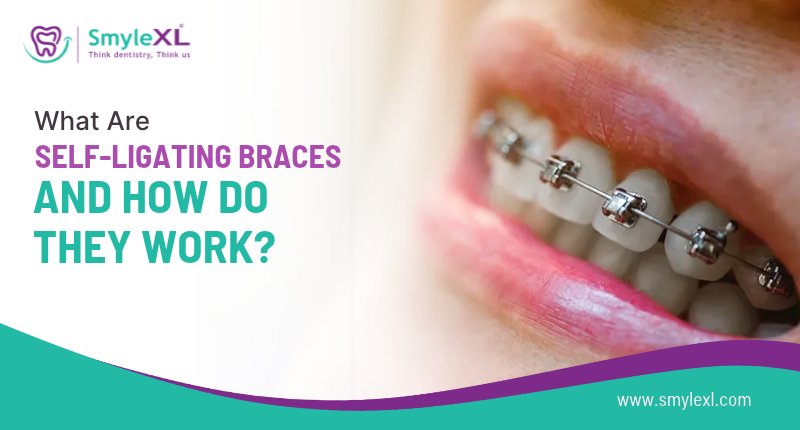
Self-ligating braces are fixed braces with built-in mechanisms that hold the orthodontic wire in place. Traditional brackets usually use tiny elastic rings or metal ties for that job.
During self-ligating braces treatment, the wire still guides teeth gradually into new positions. The difference is how it’s secured. Think of the clips as built-in fasteners, not a shortcut to instant results.
This modern braces solution can be used for crowding, spacing, and selected bite problems, depending on an orthodontic assessment. Like other fixed braces, it stays attached to your teeth until treatment is complete.
How Do These Brackets Actually Move Teeth?
Each bracket is attached to a tooth. An archwire runs through the brackets and applies controlled forces that encourage tooth movement over time.
Instead of wrapping a colored elastic around each bracket, the orthodontist opens its clip, places the wire, and closes it. That makes changing wires relatively straightforward during appointments.
The wire applies gentle, controlled pressure that gradually moves your teeth into the desired position. Even with a low-friction archwire, this movement takes time because the surrounding bone and tissues need to adjust.
At SmyleXL Dental Clinic, we plan braces treatment in Davanagere based on each patient’s tooth alignment, bite, and orthodontic needs, including whether self-ligating brackets are suitable.
Two Clip Designs You’ll Hear About
- Passive self-ligating brackets have a slide or door that generally doesn’t press actively against the wire when closed.
- An active self-ligating system uses a spring-like clip that can press against the wire, depending on its size and position.
Neither design guarantees faster or more comfortable orthodontic braces therapy. Your bite, tooth positions, and treatment plan matter far more than a clever little clip.
Self-Ligating vs. Regular Braces: What’s Different?
Here’s how self-ligating vs traditional braces compare in terms of design, comfort, and treatment process.
| Feature | Self-ligating braces | Conventional braces |
| Wire fastening | Built-in clips or doors | Elastic rings or metal ties |
| Bracket material | Metal or selected ceramic designs | Metal or ceramic designs |
| Wire changes | Clips are opened and closed | Ties are removed and replaced |
| Tooth movement | Gradual, planned movement | Gradual, planned movement |
| Overall speed | Not proven consistently faster | Depends on individual case |
A metal bracket system may be visible in either design. Some patients prefer ceramic self-ligating braces because the brackets can look less noticeable, though they aren’t invisible.
If you’re hoping for faster treatment time or reduced dental visits, ask what is realistic for your specific case. Neither is an automatic benefit of self-ligating brackets.
Who Might Consider Braces Treatment With Self-Ligating Brackets?
People with crowded teeth, gaps, or bite concerns may be candidates, but the choice of brackets comes after the orthodontic assessment, not before it.
At SmyleXL Dental Clinic, braces treatment in Davanagere can be discussed in the context of tooth positions, jaw relationships, cleaning habits, and personal preferences. Some patients like the absence of elastic ties; others prefer a different appliance.
A dental alignment procedure is planned around the movements your teeth actually need. The bracket design is only one part of that plan.
For example, a teeth straightening treatment aimed at closing minor spaces isn’t necessarily planned the same way as treatment for a complicated bite. The modern braces solution must suit the problem, rather than the other way around.
What Happens During Treatment?
First, the orthodontist examines your teeth and bite, then plans the required movements. Brackets are attached, a wire is fitted, and instructions are given for cleaning and eating.
During dental alignment procedure follow-ups, the clinician checks progress and may change the wire or other components. Self-ligating clips can simplify one part of that visit, but they don’t eliminate the need for monitoring.
Orthodontic correction therapy is gradual. Expect some pressure or tenderness after fitting or changes, just as with conventional braces. The phrase gentle tooth movement describes the controlled approach, not a promise of zero discomfort.
The treatment duration depends on the complexity of the bite, individual tooth movement, and how consistently instructions are followed. Braces still require patience; unfortunately, the clips don’t come with a fast-forward button.
Are They Easier to Clean?
Without elastic ties around every bracket, some people find the hardware simpler to brush around. That may make improved oral hygiene feel more manageable, but food and plaque can still collect around the brackets.
Improved oral hygiene still requires careful brushing, cleaning between teeth, and regular checkups. No fixed brace cleans itself, however impressive the design sounds. Orthodontic braces therapy requires that daily effort.
A good teeth straightening treatment plan includes everyday cleaning habits alongside the movement of teeth. Healthy gums matter while teeth are being repositioned.
How Much Do Self-Ligating Braces Cost?
If you’re exploring braces treatment in Davanagere, the following figures provide an indicative starting point. The cost of self-ligating braces varies with bracket material, bite complexity, and what’s included in the treatment package.
| Type | Indicative price |
| Metal self-ligating braces | ₹30,000–₹60,000 |
| Ceramic or aesthetic self-ligating braces | ₹55,000–₹1,00,000 |
Ask whether the estimate includes assessment, records, fitting, adjustment visits, repairs, removal, and retainers. These inclusions can change how two quotations compare.
Disclaimer: The prices mentioned are approximate and may vary depending on individual dental needs, treatment complexity, and additional procedures, if required. Consult a dentist for a detailed evaluation and an accurate, personalized cost estimate.
How Do You Choose Between Self-Ligating Braces and Aligners?
The braces vs clear aligners decision involves more than appearance. Clear aligners are removable and require consistent wear; self-ligating braces stay attached to your teeth.
For an advanced orthodontic treatment plan, the clinician considers the type of tooth movement required, your bite, hygiene, and how well you can follow appliance instructions.
An effective bite correction depends on careful diagnosis and treatment planning, not simply choosing a particular bracket. A smile correction procedure may also involve discussing realistic goals for appearance and function.
FAQs
Do Self-Ligating Braces Hurt Less Than Regular Braces?
Not necessarily. Both can cause temporary pressure and tenderness as teeth move. Orthodontic braces therapy using clips isn’t guaranteed to be painless.
Can Self-Ligating Braces Straighten Teeth Faster?
They don’t consistently produce a faster treatment time than conventional braces. The timeline for orthodontic correction therapy depends mainly on your individual alignment needs.
Will I Need Fewer Appointments?
Not automatically. Although clips may make wire changes simpler, reduced dental visits aren’t guaranteed. Appointments remain important for checking progress and keeping dental alignment procedure plans on course.
Can I Choose Tooth-Colored Self-Ligating Braces?
Yes, ceramic self-ligating braces are available in some systems. They may be less noticeable than a metal bracket system, but they are still fixed braces.
Are Self-Ligating Braces Suitable for Adults?
Yes, adults can be considered for self-ligating braces treatment if their teeth and gums are suitable. An advanced orthodontic treatment assessment helps determine whether this modern braces solution meets their needs.
The Clip Is Different. The Goal Is Still Your Smile.
Self-ligating braces replace the little elastic ties with built-in clips. That’s a useful design difference, but it doesn’t erase the need for planning, regular reviews, or good cleaning habits.
At SmyleXL Dental Clinic, braces treatment in Davanagere can be evaluated alongside other appliances based on your teeth and bite. Whether you’re considering self-ligating braces treatment or conventional brackets, the right choice is the one that fits your clinical needs.
For anyone considering braces treatment in Davanagere, the discussion starts with fit, not fashion. Ultimately, teeth straightening treatment aims for healthier alignment and an effective bite correction where needed. A smile correction procedure isn’t about chasing the fanciest bracket; it’s about understanding what will work for your mouth.

Dr. Ramachandra Nadigar
Principal Dentist & Laser Dentistry Specialist
Dr. Ramachandra Nadigar is a BDS-qualified dentist with 25+ years of experience, serving patients at SmyleXL Dental Clinic in Davanagere. He completed his BDS from Bapuji Dental College and Hospital, Davangere, and holds a Fellowship in Laser Dentistry from the Asian Academy of Laser Therapy. His clinical interests include preventive, restorative and cosmetic dentistry, laser treatments and advanced dental procedures.
Professional Profile: Dr. Ramachandra Nadigar
Facebook: SmyleXL Facebook
Instagram: SmyleXL Instagram
YouTube: SmyleXL YouTube