
There’s something odd about slow changes. When change happens suddenly, people react immediately. But when it happens little by little, the brain learns to ignore it.
That is why people often notice a missing tooth at first…
and much less six months later.
The tongue stops constantly visiting the gap.
Photos feel normal again.
Chewing adjusts.
Life moves on.
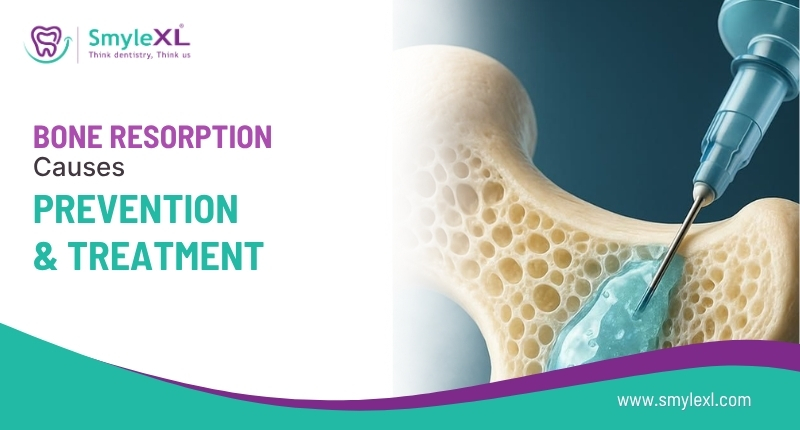
But underneath the gums, something is still changing every single day. Because the jawbone was never designed to stay inactive. And once a tooth disappears, the bone underneath quietly begins losing the stimulation that kept it strong in the first place.
At SmyleXL Dental Clinic, many patients are surprised to learn that the real long-term problem after tooth loss is often not the visible gap, but the silent bone shrinkage happening underneath it.
That is why modern dental implant treatment is no longer only about replacing teeth. It is also about protecting the jawbone before long-term damage develops.
Table of Contents
ToggleThe Bone Is Not “Dead Structure.” It Responds Constantly.
Most people think bones remain fixed permanently once adulthood begins.
But the jawbone behaves differently.
It constantly reacts to pressure, chewing force, and tooth activity. Every time natural teeth bite or chew, small signals travel through the roots into the surrounding bone. This stimulation keeps the bone healthy and active.
The moment a tooth disappears, that stimulation disappears too.
The body begins assuming:
“This area is no longer needed.”
And slowly, jawbone density loss begins underneath the missing space.
At SmyleXL Dental Clinic, we often explain this in simple language:
The jawbone starts “retiring” the unused area.
This process can continue for years after tooth loss if proper missing teeth treatment is delayed.
Why Bone Loss Changes More Than Just the Mouth
Most patients expect a missing tooth to affect chewing.
What surprises them is how much bone loss can eventually affect the face itself.
As alveolar bone loss progresses, the jawbone begins losing volume and support. Over time, this can contribute to facial bone structure changes like:
- sunken cheeks
- thinner lips
- premature facial aging
- collapsed smile appearance
People sometimes assume these changes are simply “natural aging.”
But in many cases, missing teeth and untreated jawbone density loss quietly contribute to the change.
At SmyleXL Dental Clinic, patients are often surprised to learn that dental implant treatment helps preserve not just teeth, but also long-term facial support.
How Dental Implants Help Preserve Bone?
A dental implant works like an artificial tooth root placed inside the jaw.
Once healing begins, the implant gradually bonds with the surrounding bone through the osseointegration process. This connection allows chewing pressure to travel into the jaw again, similar to a natural tooth root.
That stimulation is extremely important for bone preservation treatment.
At SmyleXL Dental Clinic, one of the biggest goals of dental implant treatment is maintaining healthy bone support long-term.
Because when the bone continues receiving stimulation:
- shrinkage slows
- jaw stability improves
- facial support remains stronger
- Chewing becomes more natural
This is why implant-supported teeth replacement often feels more stable and long-lasting compared to removable alternatives.
The Dangerous Part About Bone Loss Is How Quiet It Is!
Bone resorption rarely causes dramatic symptoms early on.
There is usually no sudden pain.
No emergency feeling.
No obvious warning sign that immediately compels people to seek treatment.
This is why many patients delay missing teeth treatment for years.
At SmyleXL Dental Clinic, we often meet patients who adjusted comfortably to tooth loss… until they eventually discovered:
- nearby teeth shifting
- loose dentures
- chewing difficulty
- visible facial changes
- reduced bone volume for implants
And by then, rebuilding the lost bone becomes more complicated.
This is why early dental implant treatment often creates simpler long-term outcomes compared to waiting several years after tooth loss.
Bone Loss Makes Tooth Replacement Harder Later
One of the biggest misconceptions patients have is:
“I’ll replace the tooth later whenever I want.”
Sometimes that is possible.
But significant jawbone density loss can reduce the amount of healthy bone available for implant placement later.
This is where bone graft for dental implants may become necessary.
A bone graft helps rebuild areas where bone has become too thin or weak to support an implant safely.
At SmyleXL Dental Clinic, bone regeneration treatment is often recommended when patients delay missing teeth treatment for many years after extraction.
What Is a Bone Graft Actually Like?
The phrase “bone graft” sounds intimidating to many patients.
Most imagine something extremely painful or dramatic.
But modern bone regeneration treatment is far more advanced and controlled than most people expect.
During a bone graft for dental implants, special grafting material is placed into the weakened area to encourage new bone growth over time. This helps improve bone-support before implant placement.
At SmyleXL Dental Clinic, the exact treatment depends on:
- how much bone was lost
- how long the tooth has been missing
- overall oral health
- gum condition
- implant planning requirements
Some patients need minor grafting. Others may require larger jawbone restoration procedures before full dental implant treatment becomes possible.
Full Mouth Tooth Loss Creates Bigger Bone Challenges
Bone shrinkage becomes even more significant when multiple teeth are missing.
Patients without teeth for many years often experience widespread alveolar bone loss across the jaw. This can affect:
- denture stability
- facial support
- chewing efficiency
- speech clarity
This is one reason full mouth dental implants became such an important advancement in modern dentistry.
Instead of simply resting removable dentures on shrinking bone, implants provide support directly inside the jaw.
At SmyleXL Dental Clinic, full mouth dental implants are planned carefully to improve:
- long-term bone support
- facial balance
- chewing strength
- overall oral function
Because successful advanced implant dentistry is not just about replacing teeth, it is about rebuilding stability.
The Best Treatment Is Often Prevention
One of the biggest advantages of modern dentistry is that we now understand bone loss much earlier than before.
Preventing jawbone loss often becomes easier when treatment happens early after extraction or gum disease.
At SmyleXL Dental Clinic, bone preservation treatment may begin immediately after tooth removal in some cases. Preserving the bone early can reduce future complications and improve implant success later.
Simple steps that help protect bone health include:
- Replacing missing teeth early
- Treating gum disease promptly
- Maintaining oral hygiene
- Regular dental visits
- Avoiding smoking
- Protecting existing teeth
Because once large amounts of bone disappear, rebuilding becomes slower, costlier, and more complex.
Dentistry Is Evolving Beyond “Just Replacing Teeth”
Earlier dentistry focused mainly on visible replacement.
Today, advanced implant dentistry focuses on preserving the structures underneath too.
Digital scans now allow dentists to evaluate bone volume precisely. Modern implant planning improves placement accuracy. Better grafting materials support more predictable healing.
At SmyleXL Dental Clinic, modern dental implant treatment is designed not only for appearance, but for long-term jaw health, stability, and comfort.
Patients today want more than a replacement tooth.
They want:
- strong chewing ability
- stable long-term results
- natural appearance
- healthy bone support
- comfortable function
And dentistry continues evolving to make that possible.
The Bone Remembers What the Mouth Tries to Ignore
People adapt surprisingly well after losing teeth.
That’s why many delays happen. The body learns new chewing habits. Smiles adjust. Conversations continue. But underneath the gums, the jawbone quietly keeps reacting to the absence.
That is why missing teeth treatment matters.
At SmyleXL Dental Clinic, we believe patients deserve to understand that tooth loss is not only about the visible gap. It is also about protecting the foundation underneath before long-term damage develops.
Because dental implant treatment is no longer just about filling spaces. It is about preserving structure, rebuilding strength, and helping the mouth function naturally again.
FAQs
Can bone loss happen after losing a tooth?
Yes, after tooth loss, the jawbone slowly begins shrinking because it no longer receives chewing stimulation from the tooth root. This bone loss is one of the most common complications of tooth loss when treatment is delayed for years.
Do dental implants help prevent bone loss?
Yes, dental implant treatment helps prevent jawbone loss because the implant functions like an artificial tooth root within the bone. During osseointegration, the implant stimulates the jawbone and supports long-term bone restoration.
What happens if I don’t replace a missing tooth?
Ignoring a missing tooth can lead to shifting teeth, chewing difficulties, changes in facial bone structure, and loss of jawbone density over time. These tooth loss complications may eventually make future dental implant treatment more complex.
Is bone grafting always necessary before dental implants?
No, not every patient requires a bone graft for dental implants. However, if significant alveolar bone loss or periodontal bone damage has already occurred, bone regeneration treatment may be needed to improve bone-support before implant placement.
How long does jawbone restoration take after a bone graft?
Healing time depends on how much bone regeneration treatment is required, but most bone graft procedures take a few months before implants can be placed safely.