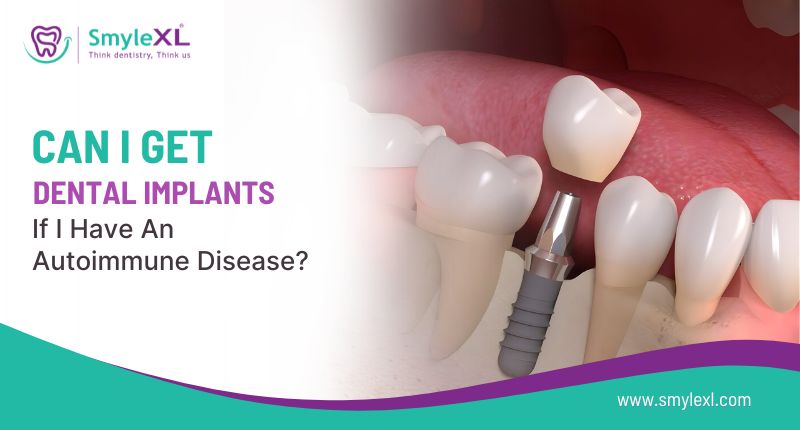

Living with an autoimmune condition often means you have to think twice before any medical or dental procedure. A common concern many patients have is whether a dental implant is safe and effective for them. The short answer is yes, in many cases it is possible, but it requires careful planning, proper evaluation, and a personalized approach.
At SmyleXL Dental Clinic, Sinhagad Road, Pune, patients with underlying health conditions are assessed in detail before recommending any tooth replacement options, ensuring both safety and long-term success.
Table of Contents
ToggleThe Relation Between Autoimmune Conditions and Oral Health
Autoimmune diseases affect how your body’s defense system works. Instead of protecting you, the immune system may attack healthy tissues, which can influence healing and recovery.
- Conditions like rheumatoid arthritis, lupus, or diabetes-related immune issues can impact autoimmune disease and oral health.
- Healing may be slower due to immune system disorders effects
- There may be higher infection risk factors after procedures
This does not mean you cannot opt for a missing teeth solution, but it does mean your treatment needs to be more carefully planned.
Are Dental Implants Safe for You?
A dental implant is considered one of the most reliable and long lasting teeth solution options available today. However, its success depends on how well your body heals and integrates the implant with the bone.
Key Factors Dentists Evaluate:
- Medical history evaluation to understand your condition
- Medication impact on healing
- Bone density and bone health and healing capacity
- Overall, chronic illness and oral care status
If these factors are well-managed, many patients can successfully undergo an artificial teeth procedure without complications.
Healing and Recovery Considerations
Healing is one of the most important aspects of an implant.
Patients with autoimmune conditions may experience:
- Slower inflammation and healing process
- Extended recovery time considerations
- Increased need for monitoring during healing
However, with proper precautions and guidance, a fixed tooth solution can still be achieved successfully.
Precautions Before Getting Dental Implants
Before proceeding with a permanent teeth replacement, your dentist may recommend a few essential steps:
1. Medical Coordination
Your dentist may work with your physician to understand your condition better and ensure stability before the procedure.
2. Disease Control
The autoimmune condition should be well-managed. Active flare-ups can affect healing and increase risks.
3. Oral Health Preparation
Good oral hygiene reduces complications and improves suitability for tooth replacement.
4. Customized Treatment Planning
Every patient is different. A personalized plan ensures better outcomes for advanced tooth replacement.
Types of Implant Solutions Available
Depending on your condition and dental needs, different implant options may be considered:
- Single tooth replacement for one missing tooth
- Full arch teeth replacement for multiple missing teeth
- Implant-supported bridges as a stable missing teeth solution
Each option is designed to provide a natural looking tooth replacement while maintaining comfort and function.
Benefits of Dental Implants for Autoimmune Patients
When done correctly, a tooth implant offers several advantages:
- Restores chewing ability with a fixed tooth solution
- Improves confidence with a natural looking tooth replacement
- Prevents bone loss and supports long term success factors
- Eliminates the need for removable dentures
For many patients, it becomes a reliable tooth replacement options choice that improves both function and quality of life.
When Implants May Not Be Ideal
There are certain situations where an implant may need to be delayed or reconsidered:
- Uncontrolled autoimmune disease
- Severe healing ability concerns
- Poor bone support without grafting options
- High-dose immunosuppressive medications
In such cases, alternative tooth replacement options may be explored until conditions improve.
Importance of Specialist Consultation
One of the most critical steps is consulting the right dental professional.
- A detailed specialist consultation importance cannot be overstated
- Helps assess patient eligibility criteria
- Identifies risks and creates a safe treatment roadmap
At SmyleXL Dental Clinic, Sinhagad Road, Pune, this step ensures that every implant procedure is planned with precision and care.
Long-Term Success: What Matters Most?
For patients with autoimmune conditions, long-term success depends on consistent care and monitoring.
Key Success Factors:
- Maintaining excellent oral hygiene
- Regular dental check-ups
- Managing underlying health conditions
- Following post-procedure care instructions
These steps significantly improve outcomes for any advanced tooth replacement procedure.
Careful Planning For Long Lasting Smiles…
Having an autoimmune disease does not automatically rule out a dental implant. With the right evaluation, careful planning, and ongoing care, many patients can safely opt for a permanent teeth replacement that restores both function and confidence.
At SmyleXL Dental Clinic, Sinhagad Road, Pune, the focus is always on creating a treatment plan that aligns with your medical condition while delivering a reliable and long lasting teeth solution.
Because the goal is not just to replace missing teeth, but to do it in a way that supports your overall health, comfort, and long-term well-being.
FAQs
What autoimmune diseases can affect dental implants?
Several autoimmune conditions can influence the success and healing of an implant, primarily because they affect how the body responds to surgery and infection. Common conditions include rheumatoid arthritis, lupus, multiple sclerosis, type 1 diabetes, and celiac disease. These conditions may alter the body’s immune response and interfere with bone health and healing, which is a critical factor for implant stability and long-term success. For example, patients with autoimmune disorders may experience slower tissue repair or increased inflammation, which can impact how well the implant integrates with the jawbone. However, this does not automatically rule out treatment. With proper evaluation, medical coordination, and a customized plan, many patients can still benefit from safe and predictable tooth replacement options that restore both function and aesthetics.
Can people with autoimmune diseases get dental implants?
Yes, people with autoimmune diseases can often undergo an implant procedure successfully, but the approach needs to be more carefully planned. The primary concern in such cases revolves around healing ability concerns, as the immune system may not respond as efficiently as it typically would. Dentists usually take a detailed medical history, evaluate current medications, and sometimes coordinate with your physician before proceeding. Factors such as disease control, inflammation levels, and overall oral health play a key role in determining eligibility. When managed properly, implants can serve as a highly reliable fixed tooth solution, offering stability, improved chewing ability, and a more natural appearance compared to removable alternatives. The key is not whether implants are possible, but how well the treatment is planned and monitored.
Why does my jaw hurt after teeth implants?
Mild to moderate jaw discomfort after an implant procedure is quite common and is usually part of the normal healing process. This pain is often caused by surgical manipulation of the bone and surrounding tissues, leading to temporary swelling and sensitivity. It is closely linked to the body’s natural inflammation and healing process, which peaks within the first 48 to 72 hours after surgery. In addition, keeping the mouth open for an extended period during the procedure can lead to muscle stiffness or fatigue, which may also contribute to discomfort. In most cases, this pain gradually reduces within a few days and can be managed with prescribed medications and proper care. However, if the pain becomes intense, persists beyond a week, or is accompanied by symptoms like swelling, pus, or fever, it may indicate complications such as infection or implant instability. Timely evaluation in such situations is important to protect the implant and ensure a successful, long lasting teeth solution.
Can a dentist tell if you have an autoimmune disease?
Dentists often play an important role in identifying early warning signs related to autoimmune disease and oral health. While they may not diagnose the condition directly, they can observe patterns such as delayed healing, unusual gum inflammation, frequent infections, or recurring oral lesions during routine check-ups. These signs can sometimes be the first indicators of an underlying systemic issue. Based on these observations, your dentist may recommend further medical evaluation or collaborate with your physician to ensure safe treatment planning. This becomes especially important when considering procedures like implants or other forms of advanced tooth replacement, where healing and immune response directly affect outcomes. Early detection and coordinated care can significantly improve both oral and overall health management.
How much does a dental implant cost in Pune?
The cost of a dental implant in Pune generally ranges from ₹10,000 to ₹80,000 per tooth, depending on various clinical and procedural factors. These include the type of implant used, the material of the crown, the complexity of the case, and the expertise of the dental professional. One of the major factors that influences cost is the patient’s suitability for tooth replacement, especially in terms of bone density and gum health. In cases where bone support is insufficient, additional procedures like bone grafting may be required, which can increase the overall cost. Despite the variation in pricing, implants are widely considered a valuable investment because they offer a durable and functional permanent teeth replacement. They not only restore appearance but also help maintain jawbone health, improve chewing efficiency, and provide long-term stability compared to temporary solutions.