
You’ve probably heard a dozen stories about dental implants. Some sound scary, some sound too good. At SmyleXL Dental Clinic, we listen to these myths about dental implant treatment every day. And every day, people leave a little lighter once they know the truth. Let’s clear up five of the biggest myths about dental implants right now. No drama, just honest talk.
If you’re looking for Dental Implant Treatment in Dwaraka Nagar, Vizag, you’re already in the right place. Here, facts always speak louder than myths.
Table of Contents
ToggleMyth 1: The Dental Implant Procedure Is Extremely Painful
This myth stops people before they even walk through the door. The thought of oral surgery can be intimidating, but the implant procedure is nothing like the scary tales.
The Fear vs. The Facts
You won’t feel pain during the placement. Your mouth is numbed so deeply that you only notice gentle pressure, if anything. For those who feel anxious, light sedation helps the time pass like a short nap.
What Actually Happens Afterward
The recovery is mild. There’s some soreness for a day or two, much like after a tough workout. Most people manage with an ice pack and get back to normal quickly.
- The jaw is fully numbed before the prosthodontist or periodontist begins
- Sedation makes the whole visit feel calm and quick
- Any soreness after the dental implant procedure fades within a couple of days
- The long healing period is painless and silent
- Osseointegration happens deep under the gum while you live your life
- A titanium implant sits securely and still the entire time
A tooth extraction usually hurts far more. This is one of those dental implant treatment myths that keeps people from a better smile for no good reason.
Myth 2: Dental Implants Are Only for Older People
This story makes younger adults think they have to wait years to fix a missing tooth. They don’t. Age is rarely the real factor.
Why Age Is Just a Number
The only biological milestone is a fully grown jawbone, which happens around the late teens. After that, a healthy 25-year-old with a missing tooth is just as eligible as a healthy 65-year-old. The focus shifts to jawbone health, oral hygiene, and the absence of active gum disease.
Protecting Your Smile Early
Placing a titanium implant sooner rather than later stops neighboring teeth from shifting. It also keeps the bone active, which preserves your facial structure.
- Jawbone growth finishes by 17 or 18, making most adults eligible
- Jawbone health and daily oral hygiene decide candidacy, not birthday candles
- A young professional with a missing tooth can get a permanent tooth replacement right away
- A fixed prosthesis works beautifully at any adult age
- Gum disease and bone condition are the real checks, not the year you were born
- Early replacement prevents the slow bone loss that follows tooth loss
If someone told you “you’re too young,” a quick CT scan often proves otherwise. This is another of the common myths about dental implants that melts under a little scrutiny.
Myth 3: Implants Fail Often and Don’t Last Long
Old stories paint implants as temporary fixes that constantly fail. The numbers tell a very different story. Today’s success rates are among the highest in dentistry.
The Bond That Lasts
A titanium implant fuses with the bone through osseointegration. Bone cells grow onto the implant surface and lock it tight. Once healed, that connection can handle a lifetime of chewing.
Where the Real Risk Lies
It’s rarely the implant that fails. Smoking during the healing period and untreated gum disease are the actual dangers. When these are managed, the success rate stays above 95%.
- Osseointegration creates a bond strong enough for a lifetime of use
- Studies show success above 95% even after ten years
- Most failures happen early and are fixed before the final crowns go on
- An implant-supported bridge or single crown stays solid with normal brushing
- Keeping the abutment area clean is as simple as flossing
- A titanium implant becomes a quiet part of your body, with no special care needed
These results make the fear of failure one of the most misleading dental implant treatment myths still floating around.
Myth 4: The Tooth Replacement Cost Is Too High for Most People
The tooth replacement cost feels big when you look at the first bill. But that number only tells a fraction of the story. A longer view shows a different picture.
Comparing Apples to Apples
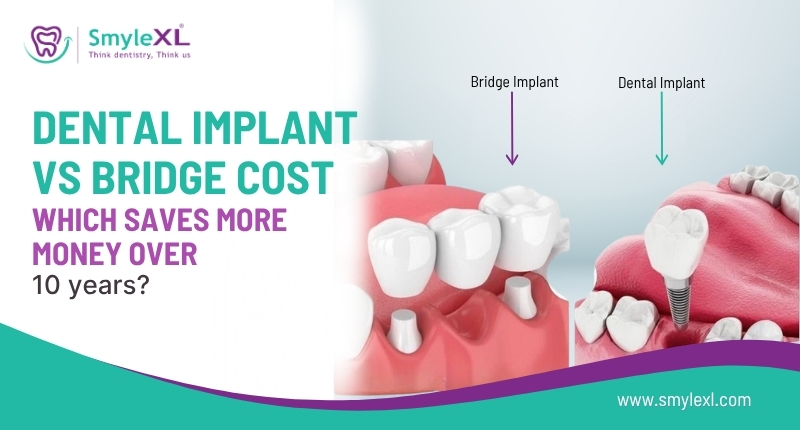
A removable denture needs relining, pastes, and sometimes a full remake every few years. Bridges often need replacement after 10 to 15 years. A permanent tooth replacement skips all those repeated costs.
The Hidden Savings
Implants also protect the jawbone. When bone shrinks from tooth loss, it can change your face shape and cause more dental problems later. An implant stops that cycle.
- A removable denture brings ongoing costs for adhesives and relines
- Bridges typically last 10 to 15 years, then need replacing
- A single fixed prosthesis removes the need for repeat visits and materials
- Bone grafting cost, if needed, can be phased over time
- No more sticky pastes or overnight soaks with an implant
- Over 15 or 20 years, the tooth replacement cost of an implant-supported bridge often works out lower
When you see the full picture, these common myths about dental implant treatment quietly fall away.
Myth 5: Bone Loss Means You Can Never Get Implants
Hearing that your jawbone is too thin can feel like a closed door. But modern techniques have turned that old rule upside down. Bone loss is no longer a dead end.
Rebuilding What Was Lost
Bone grafting rebuilds the missing structure using natural or man-made materials. A sinus lift safely raises the sinus floor in the upper jaw to create room. Both are routine and predictable.
A New Foundation, A Solid Smile
After the graft heals, a titanium implant can be placed just as securely as in untouched bone. The only difference is a slightly longer implant timeline.
- Bone grafting restores lost jaw volume to support an implant
- A sinus lift creates space in the upper back jaw without major surgery
- A CT scan and digital planning map every detail beforehand
- The healing period after grafting adds a few months, nothing more
- Once healed, the implant sits firmly in the rebuilt area
- Many patients who once said “no” now have a full dental arch restored
- The smile restoration at the end is stable, comfortable, and lasting
This is the most hopeful truth among the dental implants myths we clear up every day. That wall you were told about now has doors.
What a Real Implant Journey Looks Like?
Now that the myths about dental implants are out of the way, let’s walk through how the process actually unfolds. It’s simpler and far calmer than most people imagine.
The Placement and the Quiet Months
On the day of the procedure, the titanium implant posts are placed. In many cases, a temporary fixed prosthesis is attached immediately, so you never go without teeth. Then the quiet work of osseointegration takes over for a few months.
The Final Step
Once the bond is strong, small abutment connectors are added, followed by your final crowns or implant-supported bridge. Your smile restoration is complete.
- A CT scan and a relaxed chat start your implant timeline
- Jawbone health and any gum disease are checked with complete honesty
- Digital planning makes the implant procedure predictable and safe
- On surgery day, the titanium implant posts go in with a temporary set of teeth
- Osseointegration quietly locks the implants into the bone over 3 to 6 months
- Final crowns or an implant-supported bridge are fixed onto the abutment
- You eat, talk, and smile freely, no removable parts, no daily fuss
If you want to see how this fits your personal story, come talk to us. Our Dental Implant Treatment in Dwaraka Nagar, Vizag, team at SmyleXL Dental Clinic walks you through every phase with zero pressure.
Frequently Asked Questions
Is the dental implant procedure really as painless as people say?
Yes. The area is fully numb, and many choose light sedation for extra calm. Afterward, mild tenderness fades quickly with a cold pack.
Does age stop someone from getting a titanium implant?
Not at all. As long as the jawbone is fully grown and oral hygiene is steady, both a 25-year-old and a 70-year-old can get a permanent tooth replacement.
What if my jawbone is too thin from years of tooth loss?
Bone grafting and a sinus lift can rebuild the area. Once the healing period is over, a titanium implant can be placed securely.
Is the tooth replacement cost really a one-time thing?
The main investment covers the implant and surgery. The visible crowns may need replacement after many years, but compared to a removable denture, the long-term cost is often lower.
A Smile Built on Truth, Not Tall Tales
Old stories fade hard, but the truth about a permanent tooth replacement is simple. It’s comfortable, it lasts, and it’s possible for far more people than the dental implants myths allow.
At SmyleXL Dental Clinic, we keep our words plain and our advice honest. One clear conversation is worth a hundred internet searches. When you’re ready to let go of the myths about dental implant treatment and see what your own smile can be, we’re right here. No pressure, just real talk.