

A toothache can quickly turn into a source of anxiety, especially when you start wondering whether you’ll need a filling or a more extensive procedure. One of the most common questions patients ask at SmyleXL Dental Clinic is: “Do I need a filling, or is it time for a root canal treatment?”
The answer depends on how far tooth decay or damage has progressed. While both procedures are designed to save your natural tooth, they address different levels of dental problems. Understanding the difference can help you recognize warning signs early and seek treatment before the issue becomes more serious.
In this guide, we’ll explain how dentists determine whether a filling is enough or whether a RCT is necessary, along with the symptoms you should never ignore.
Table of Contents
ToggleWhy Dentists Recommend Fillings and Root Canals?
Most dental problems begin with a cavity. When bacteria remain on the teeth, they produce acids that gradually wear away enamel. If caught early, the damage can be repaired with a simple filling.
However, untreated cavities continue to grow deeper. As decay progresses toward the tooth’s nerve and dental pulp, the risk of infection increases significantly. At this stage, a root canal treatment may be the only way to save the tooth and prevent extraction.
Understanding cavity progression is important because many patients assume all tooth pain requires the same solution. In reality, the appropriate treatment for tooth decay depends on how deeply the infection has spread.
What Happens During a Filling?
A filling is one of the most common procedures used in restorative dentistry. It is recommended when decay affects only the outer layers of the tooth and has not reached the nerve.
When a Filling Is Usually Enough
You may only need a filling if you experience:
- Mild sensitivity to sweets or cold foods
- A small visible cavity
- Occasional discomfort that goes away quickly
- No swelling or infection
- No lingering pain after eating
In these situations, the tooth nerve remains healthy, making cavity filling treatment a reliable and conservative solution.
How a Filling Repairs the Tooth?
During treatment, the decayed portion of the tooth is removed and replaced with a tooth-colored material. This restores the tooth’s structure and prevents bacteria from causing further damage.
Many patients comparing a tooth filling vs root canal are relieved to learn that a filling is often sufficient when the problem is detected early through routine dental checkups.
What Happens During a Root Canal?
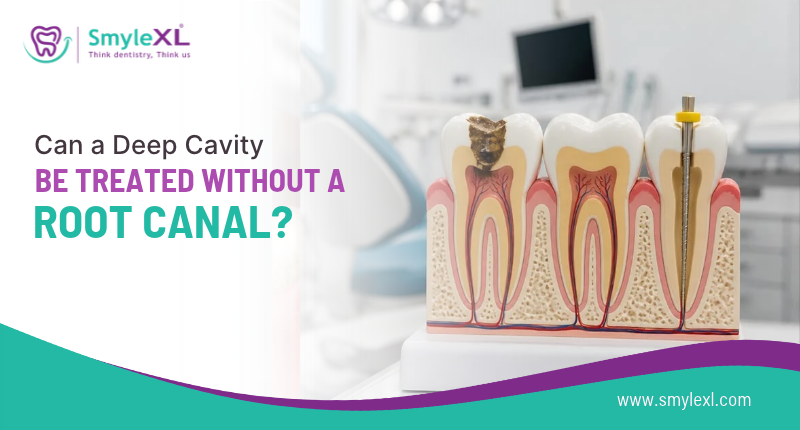
When bacteria reach the inner portion of the tooth, known as the pulp, a simple filling is no longer enough. The pulp contains nerves and blood vessels that can become inflamed or infected.
In such cases, a root canal treatment removes the infected tissue, disinfects the canals, and seals the tooth to prevent future infection.
When Is a Root Canal Necessary?
Generally, a root canal becomes necessary when:
- Decay reaches the tooth nerve
- A cracked tooth exposes the pulp
- An infection develops inside the tooth
- Severe trauma damages the nerve
- Persistent pain indicates nerve involvement
A root canal treatment allows dentists to preserve the natural tooth instead of removing it.
How a Root Canal Saves the Tooth?
After cleaning the infected pulp, the canals are shaped and filled with a biocompatible material. In many cases, a dental crown is placed afterward to restore strength and function.
Modern root canal procedures are comfortable, predictable, and highly effective at eliminating pain caused by infection.
7 Signs You May Need a Root Canal Instead of a Filling
Although only a dentist can provide a definitive diagnosis, certain symptoms often indicate that the problem extends beyond a simple cavity.
- Persistent Tooth Pain
One of the most common signs you need a root canal is pain that doesn’t go away. The discomfort may be constant or come and go throughout the day.
Unlike minor sensitivity, persistent pain often suggests that the tooth nerve has become irritated or infected.
- Sensitivity That Lingers
Many people experience temporary sensitivity after consuming hot or cold foods. However, if the discomfort continues for several minutes after the stimulus is removed, it could indicate root canal symptoms associated with pulp inflammation.
- Pain While Chewing
Pain while chewing signals pressure within the tooth caused by infection. This symptom frequently appears when deep cavity treatment has been delayed for too long.
- Swollen or Tender Gums
Inflammation around a specific tooth can be one of the most obvious infected tooth symptoms. Swelling may be accompanied by tenderness, redness, or localized discomfort.
- A Darkened Tooth
A tooth that becomes gray or darker than the surrounding teeth may indicate damage to the internal tissues.
- A Pimple-Like Bump on the Gums
A small bump near the affected tooth may signal a dental abscess. This is among the more serious symptoms of an infected tooth and should be evaluated immediately.
- Deep Decay Visible on X-Rays
Sometimes patients experience minimal discomfort despite extensive damage. Dental X-rays often reveal a deep cavity that cannot be seen during a routine visual examination.
Signs a Filling May Be All You Need
Not every cavity requires advanced treatment. In many cases, patients only need a filling because the nerve in the tooth remains unaffected.
Common signs include:
- Mild sensitivity that disappears quickly
- Small cavities limited to enamel or dentin
- No swelling around the gums
- No spontaneous tooth pain
- No evidence of infection
If detected early, cavity filling can stop decay before it progresses into a more serious condition.
Patients who schedule regular dental checkups are more likely to receive conservative treatment for tooth decay before complications develop.
Root Canal vs Filling: Key Differences
Understanding the distinction between these procedures can help reduce uncertainty when discussing treatment options with your dentist.
| Factor | Filling | Root Canal |
| Severity of Damage | Mild to Moderate | Advanced |
| Tooth Nerve | Healthy | Infected or Inflamed |
| Treatment Time | Usually One Visit | One or Two Visits |
| Purpose | Restore Decay | Remove Infection |
| Crown Required | Rarely | Often |
| Cost | Lower | Higher |
When comparing tooth filling vs root canal procedures, the most important factor is whether the dental pulp remains healthy.
Can a Filling Turn Into a Root Canal Later?
Yes, it can.
A small cavity that could have been treated with a filling may eventually require a root canal treatment if left untreated. Bacteria continue to penetrate deeper into the tooth over time, increasing the risk of infection.
Several factors can contribute to this progression:
- Delayed dental care
- Poor oral hygiene
- Recurrent decay around existing fillings
- Cracked or fractured teeth
- Missed routine examinations
This is why early treatment of tooth decay is so important. Addressing cavities promptly can prevent more extensive procedures later.
How Dentists Decide Between a Filling and a Root Canal?
At SmyleXL Dental Clinic, we use a combination of clinical evaluation and diagnostic technology to determine the most appropriate treatment.
The process may include:
- Comprehensive dental examination
- Digital X-rays
- Sensitivity testing
- Bite analysis
- Assessment of symptoms
These tools help determine whether the problem is limited to the outer tooth structure or has reached the dental pulp.
Patients often search online for signs they need a root canal, but symptoms alone cannot provide a complete diagnosis. Professional evaluation remains the most reliable way to determine when a root canal is necessary and whether cavity filling treatment is still possible.
When Should You See a Dentist?
Many people delay treatment because the pain seems manageable. Unfortunately, dental infections rarely resolve on their own.
You should schedule an appointment if you experience:
- Persistent tooth pain
- Lingering sensitivity
- Swelling around the gums
- Pain while chewing
- Visible tooth damage
- Signs of infection
The earlier a problem is identified, the more treatment options are available.
Wrapping Up
Knowing whether you need a filling or a root canal treatment isn’t always straightforward. While mild sensitivity and small cavities often respond well to fillings, persistent pain, swelling, and an infected tooth may indicate a deeper problem involving the dental pulp.
The good news is that both treatments are designed to preserve your natural teeth and restore oral health. Whether you need cavity filling treatment, deep cavity treatment, or a root canal treatment, early diagnosis makes a significant difference in the outcome.
At SmyleXL Dental Clinic, our team focuses on accurate diagnosis and personalized treatment planning to ensure every patient receives the care that’s right for their specific condition. If you’re experiencing tooth discomfort and aren’t sure what treatment you need, a professional evaluation can provide the answers and peace of mind you’re looking for.
FAQs
Can a root canal be done twice?
Yes, a tooth can undergo a second root canal procedure if problems develop after the initial treatment. This process, called root canal retreatment, helps address new infections or previously undetected canals. The goal is to preserve the natural tooth and restore its health.
How many appointments does a root canal take?
Most root canal treatments can be completed in one or two visits, depending on the complexity of the case. Factors such as the extent of infection and the condition of the tooth may influence the number of appointments required. Your dentist will recommend a treatment plan based on your specific needs.
Which tooth is hardest to root canal?
Upper molars are often considered the most challenging teeth for root canal treatment. They typically have multiple roots and complex canal structures that can be difficult to access and clean. Advanced imaging and specialized techniques help ensure successful treatment.
Can I wait 6 months for a root canal?
Delaying a root canal for several months is not recommended. An untreated infection can worsen over time, leading to increased pain, damage to surrounding tissues, or even tooth loss. Seeking treatment promptly improves the chances of saving the tooth.
Can a root canal fail after 3 months?
Although root canal treatment has a high success rate, complications can occasionally occur after the procedure. Reinfection may develop due to hidden canals, residual bacteria, cracks in the tooth, or issues with the restoration. If symptoms return, a dental evaluation should be scheduled as soon as possible.
Do root canals cause health issues?
Root canals are widely recognized as safe and effective dental procedures. Their purpose is to remove infection, relieve discomfort, and preserve the natural tooth. Current scientific evidence does not support claims that properly performed root canals cause systemic health problems.